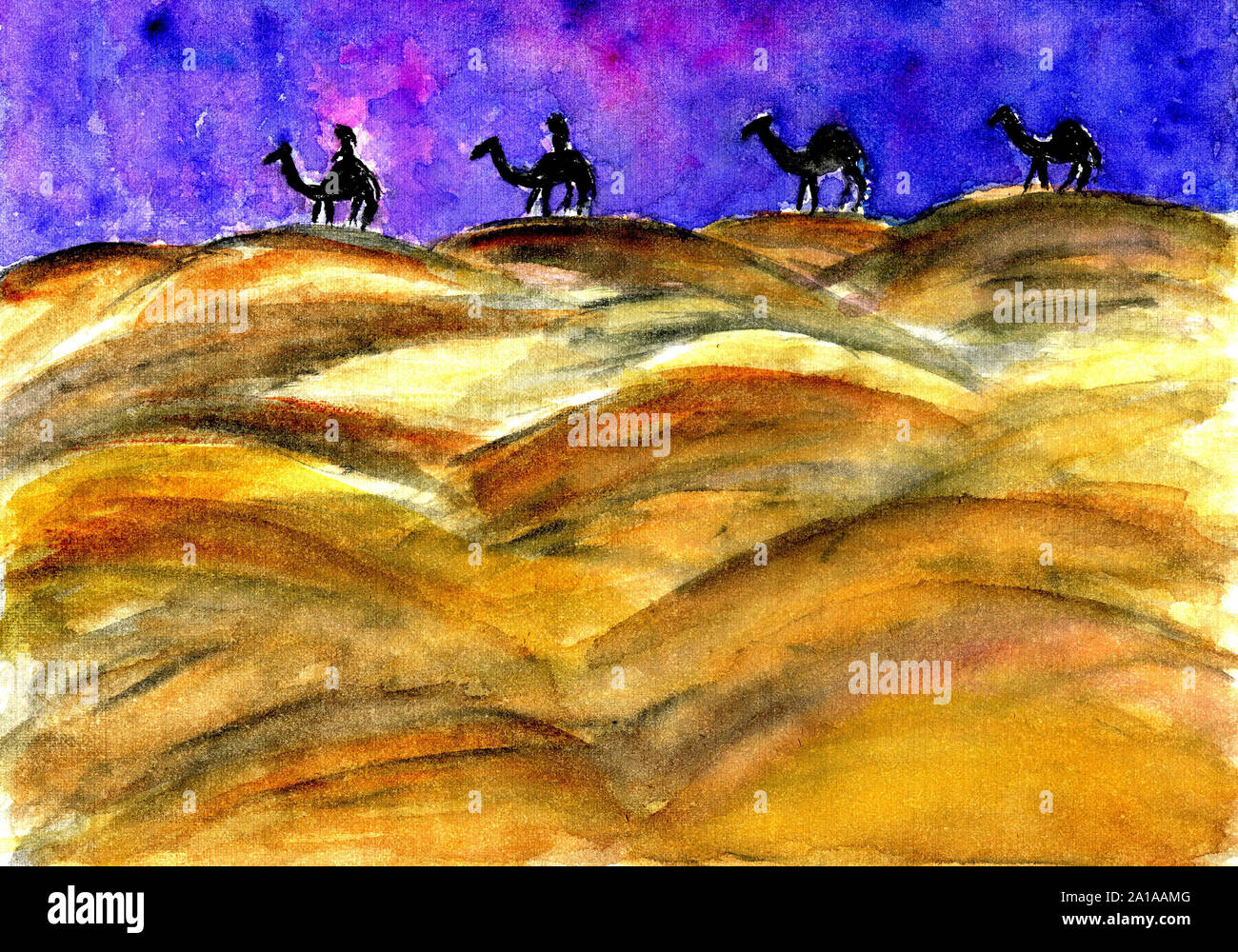
The desert isn’t just a landscape—it’s a story waiting to be told. For countless artists, the vastness of sand dunes and the ancient paths of camels have become their muse. These aren’t just pretty pictures on a wall; they’re windows into a world where survival meets artistry.
Picture this: You’re standing in the middle of a desert, the sun beating down on your shoulders, and somewhere in the distance, a caravan of camels moves like slow waves across the golden sea. That moment—when nature and human experience collide—has inspired artists for centuries. Desert trails and brushstrokes represent more than just artistic expression; they embody the spirit of endurance, resilience, and the deep connection between people and land. This is the story of how painters transform the raw beauty of desert landscapes and the timeless tales of camels into something that lives beyond the canvas.
The Artistic Journey Through Desert Landscapes
Desert landscapes present unique challenges and opportunities for artists. The shifting sands, dramatic light changes, and sparse vegetation require a different approach to painting. Artists often find themselves studying the way sunlight hits the dunes at different times of day. Early morning light creates long shadows that emphasize the texture of sand, while sunset brings the entire desert to life in brilliant oranges and purples.
What makes desert painting particularly compelling is how artists must balance realism with emotional impact. They’re not just depicting what’s there—they’re capturing the feeling of isolation, freedom, and the vastness of space. Many painters spend weeks in the desert, sketching and taking notes, before ever touching a canvas. The process becomes almost meditative, allowing them to truly understand the environment they’re portraying.
Camels as Cultural Symbols in Art
Camels have been central to desert cultures for thousands of years. In art, they represent much more than animals—they’re symbols of endurance, wisdom, and cultural heritage. When an artist paints a camel, they’re often telling a story about trade routes, nomadic life, or ancient civilizations.
Consider how different artists interpret the camel: Some focus on the graceful curve of its hump, others on the weathered eyes that have seen countless journeys. The way a camel carries its load speaks volumes about strength and purpose. Many paintings show camels in traditional settings—perhaps carrying goods along ancient trade routes or resting under the shade of date palms. These images connect viewers to a time when camels were the backbone of desert commerce and travel.
The symbolism extends beyond the animal itself. Camels often represent the bridge between cultures, bringing people together across vast distances. Their ability to survive in harsh conditions makes them powerful metaphors for human resilience.
Techniques for Capturing Desert Light
One of the most difficult aspects of desert painting is capturing the quality of light. The desert sun is intense, and light changes rapidly throughout the day. Artists develop specific techniques to handle these conditions.
Many use a limited palette of earth tones—browns, ochres, and umbers—to match the natural color scheme of the landscape. The key is understanding how light affects different elements. Sand reflects differently than rock, and the way shadows fall can completely change the mood of a painting.
Some artists employ a wet-on-wet technique, allowing colors to blend naturally on the canvas, mimicking how desert winds might soften edges. Others prefer dry brush techniques, creating texture that resembles the rough surface of sand. The challenge lies in making these techniques feel authentic rather than forced.
Brushstrokes That Tell Stories
Every brushstroke carries intention. In desert art, the movement of the brush becomes part of the narrative. Bold strokes might represent the power of the wind, while delicate touches could show the quiet moments of rest.
The rhythm of brushwork often mirrors the rhythm of desert life itself. Long, sweeping motions suggest the endlessness of dunes, while quick, precise marks might indicate the sharpness of a cactus or the sudden flash of sunlight. Artists often speak of finding their ‘desert voice’—a particular style that feels right for the subject matter.
Consider how a painter might approach a scene of camels at rest. They might use soft, horizontal strokes to suggest the gentle motion of breathing, while vertical lines in the sand could imply the weight of the animals. These subtle choices create layers of meaning that go beyond simple visual representation.
Cultural Narratives in Desert Art
Desert art is never just about landscapes—it’s deeply rooted in cultural stories and traditions. Many paintings incorporate elements that tell stories passed down through generations.
For instance, traditional patterns found in desert textiles might appear in the background of a painting, connecting the viewer to ancient weaving traditions. Symbols like crescent moons, stars, or specific plant forms can carry historical significance. Artists often work closely with local communities to ensure these cultural elements are represented accurately and respectfully.
The stories embedded in these works often revolve around themes of survival, migration, and community. A painting might show a family traveling with camels, or perhaps a market scene where traders exchange goods. These narratives remind us that art is not separate from life—it’s woven into it.
Modern Interpretations of Ancient Themes
Today’s desert artists are not bound by tradition alone. They bring contemporary perspectives to age-old subjects, creating fresh interpretations of camel stories and desert landscapes.
Some modern painters experiment with mixed media, incorporating photographs, digital elements, or even found objects into their canvases. Others explore abstract representations of desert experiences, using color and form to express emotions rather than literal depictions.
Technology has also changed how artists document and create their work. Digital tools allow them to study light conditions more precisely, and some artists now combine traditional painting with digital enhancement. The result is a fusion of old and new that keeps desert art relevant to modern audiences.
Yet despite these innovations, the core elements remain unchanged: the desire to honor the desert’s power and the stories it holds. Whether through classical techniques or cutting-edge methods, artists continue to find ways to share these remarkable experiences.
Desert trails and brushstrokes represent more than artistic expression—they’re a bridge between past and present, between human experience and natural beauty. Every canvas tells a story, whether it’s about the journey of a camel across endless sands or the quiet strength of a desert landscape. These paintings remind us that art doesn’t just decorate walls; it preserves culture, celebrates endurance, and connects us to places we may never visit but can always imagine. The next time you see a desert landscape painting, take a moment to consider all the stories behind those brushstrokes. There’s more than meets the eye—and that’s exactly what makes this art so powerful.
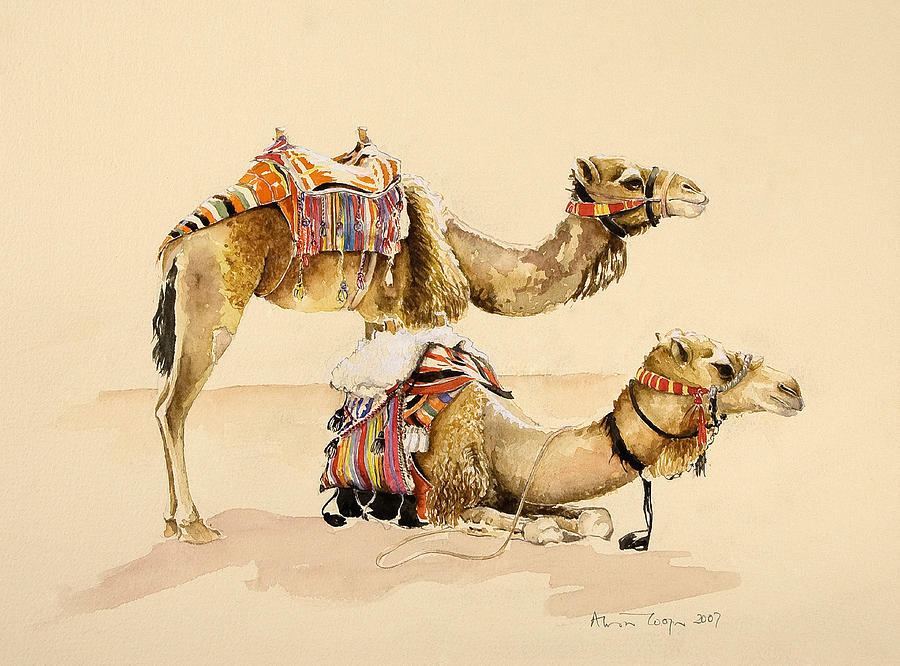
[sps_html tag=”img” src=”https://cdn.theartssection.com/wp-content/uploads/2025/11/camels-from-petra-painting-by-alison-cooper-fine-art-america-regarding-how-camel-walking-watercolor-prints-capture-the-essence-of-the-sahara.jpg” alt=”Camels From Petra Painting By Alison Cooper - Fine Art America regarding How Camel Walking Watercolor Prints Capture the Essence of the Sahara” style=”width: 100%; height: auto;”]
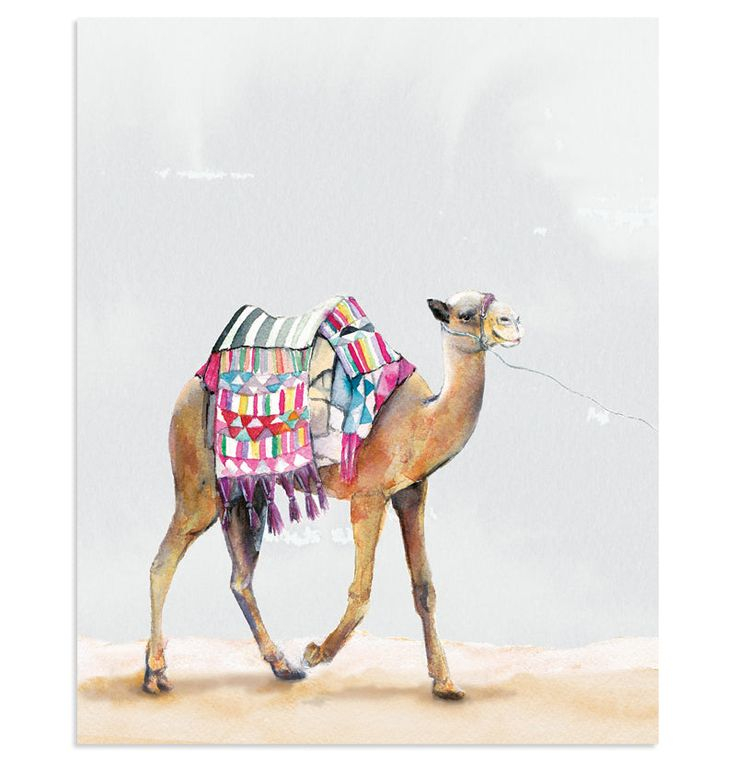
[sps_html tag=”img” src=”https://cdn.theartssection.com/wp-content/uploads/2025/11/camels-and-desert-6-by-mahnoor-shah-arte-arabe-arte-islamico-arte-regarding-how-camel-walking-watercolor-prints-capture-the-essence-of-the-sahara.jpg” alt=”Camels And Desert 6 By Mahnoor Shah | Arte Arabe, Arte Islamico, Arte … regarding How Camel Walking Watercolor Prints Capture the Essence of the Sahara” style=”width: 100%; height: auto;”]
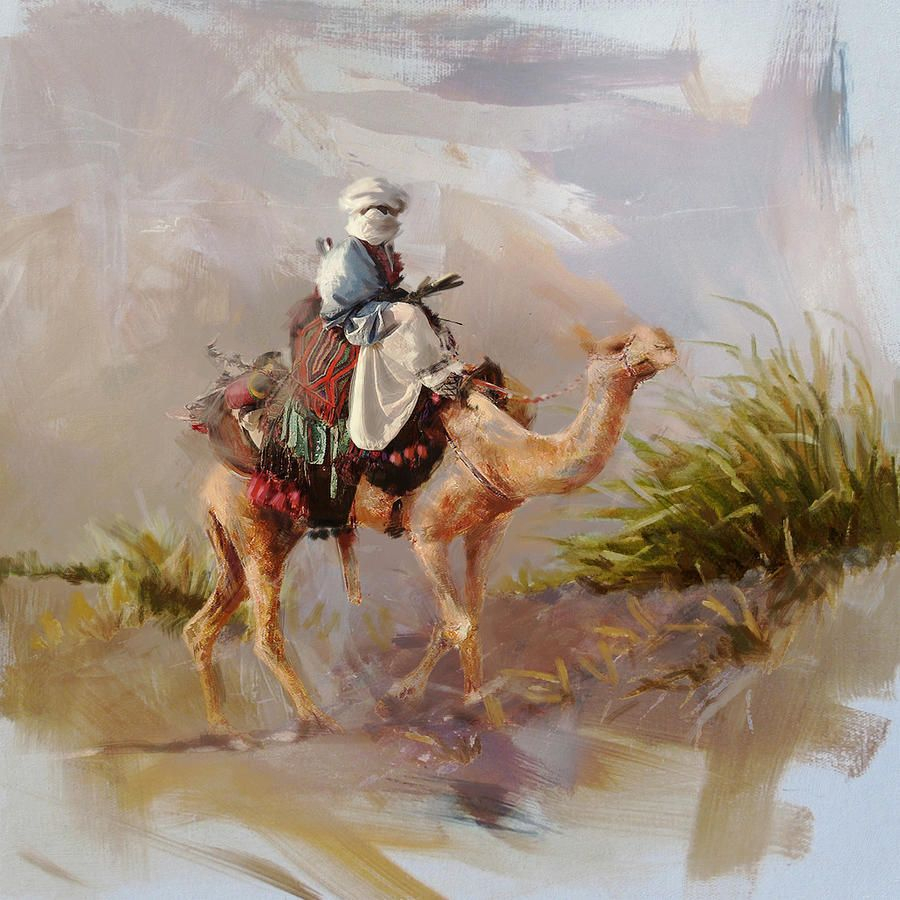
[sps_html tag=”img” src=”https://cdn.theartssection.com/wp-content/uploads/2025/11/moroccan-flaunt-camel-art-print-camels-art-animal-wall-art-prints-regarding-how-camel-walking-watercolor-prints-capture-the-essence-of-the-sahara.jpg” alt=”"Moroccan Flaunt" Camel Art Print | Camels Art, Animal Wall Art Prints … regarding How Camel Walking Watercolor Prints Capture the Essence of the Sahara” style=”width: 100%; height: auto;”]
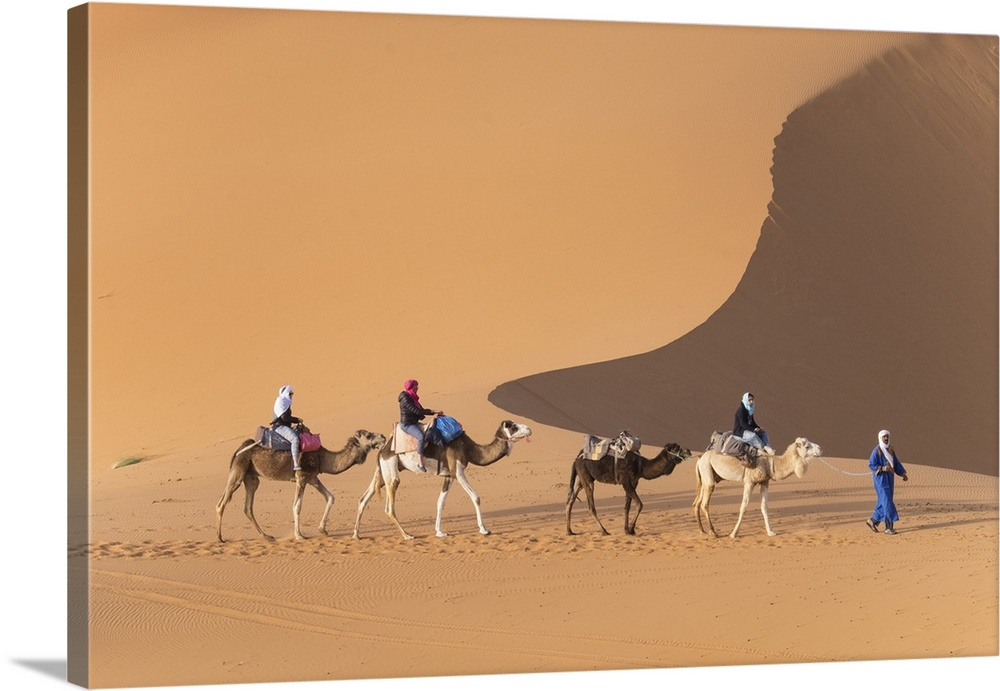
[sps_html tag=”img” src=”https://cdn.theartssection.com/wp-content/uploads/2025/11/africa-morocco-tourists-ride-camels-in-erg-chebbi-in-the-sahara-inside-camel-walking-in-desert-watercolor-animal-canvas-print.jpg” alt=”Africa, Morocco. Tourists Ride Camels In Erg Chebbi In The Sahara … inside "Camel Walking In Desert" Watercolor Animal Canvas Print” style=”width: 100%; height: auto;”]
[sps_html tag=”img” src=”https://cdn.theartssection.com/wp-content/uploads/2025/11/silhouettes-of-camels-walking-on-the-road-in-the-desert-watercolor-in-how-camel-walking-watercolor-prints-capture-the-essence-of-the-sahara.jpg” alt=”Silhouettes Of Camels Walking On The Road In The Desert, Watercolor … in How Camel Walking Watercolor Prints Capture the Essence of the Sahara” style=”width: 100%; height: auto;”]