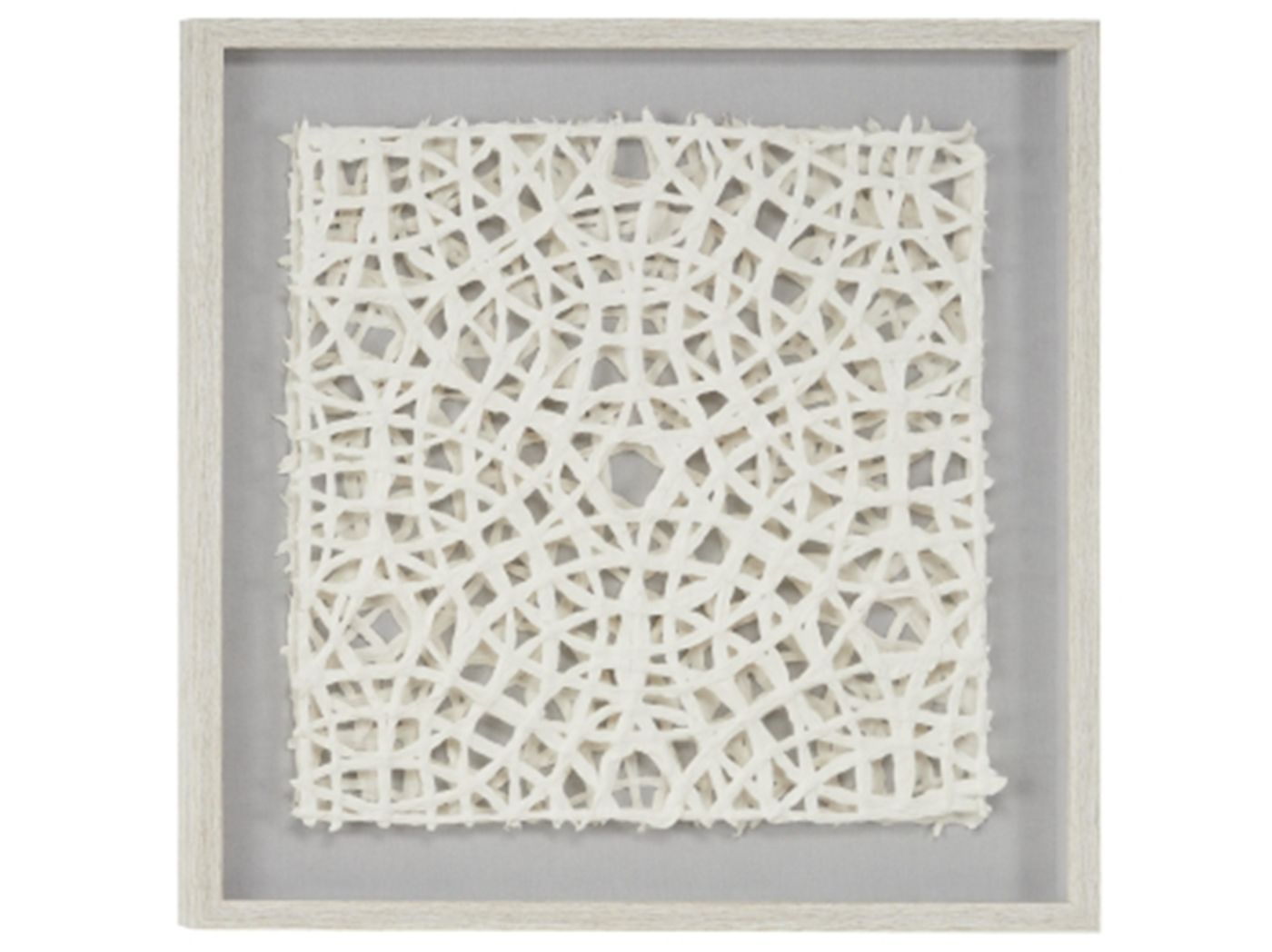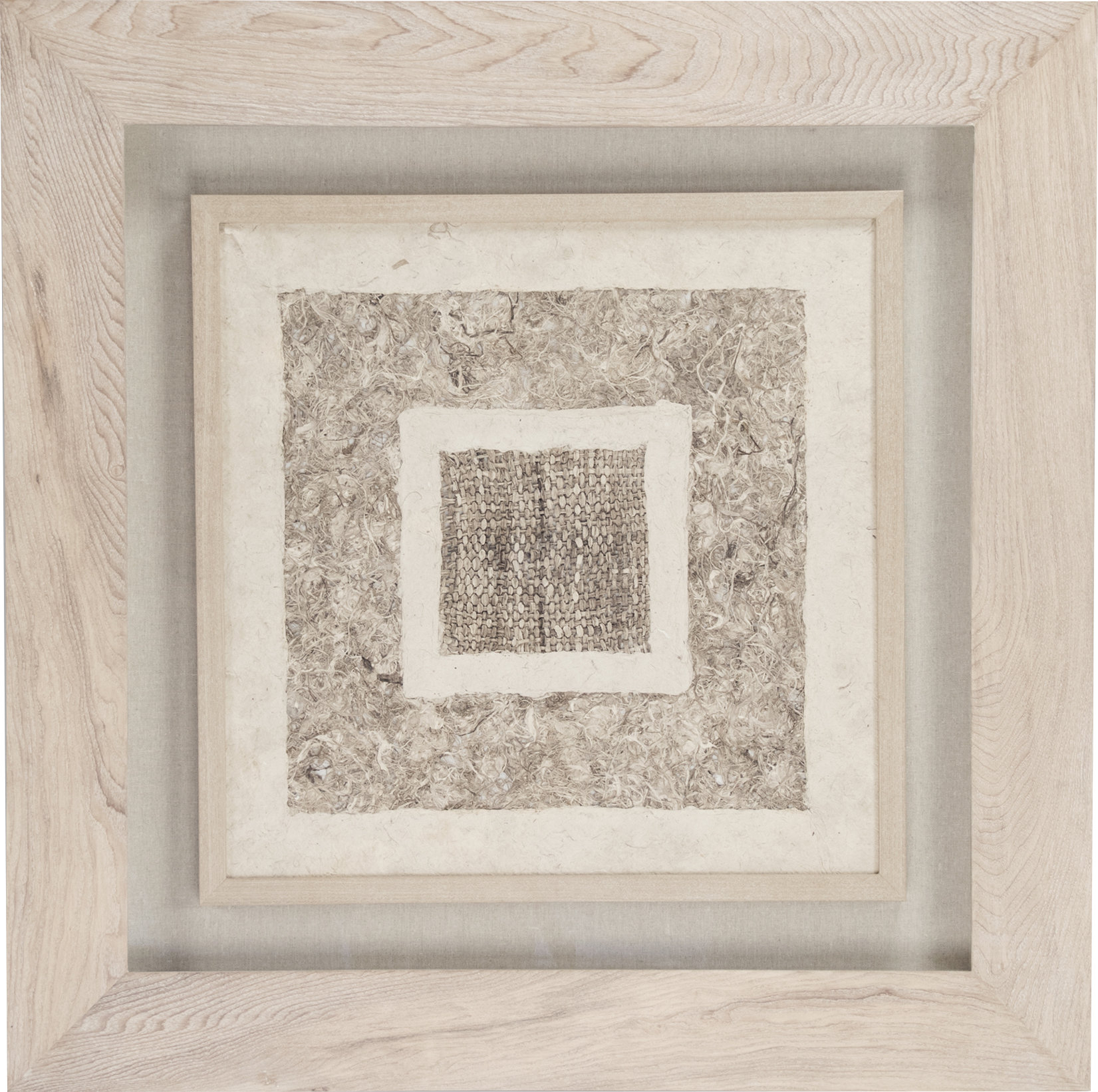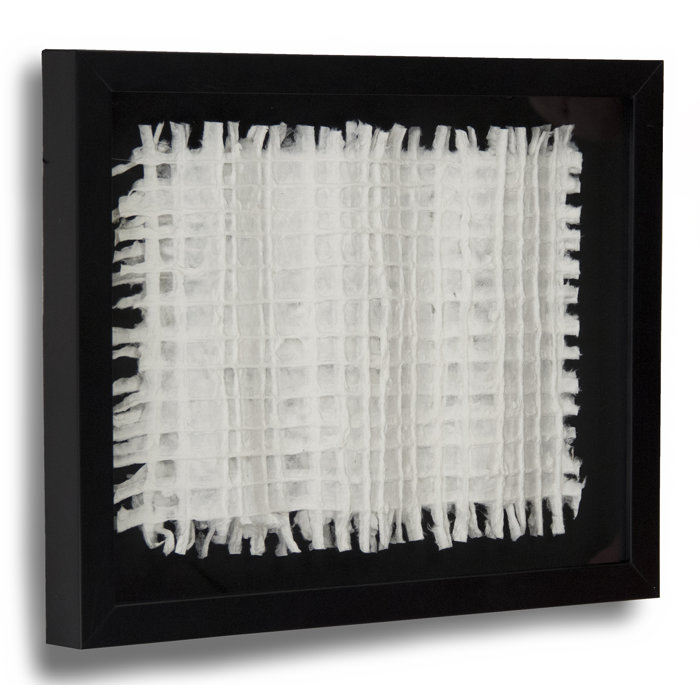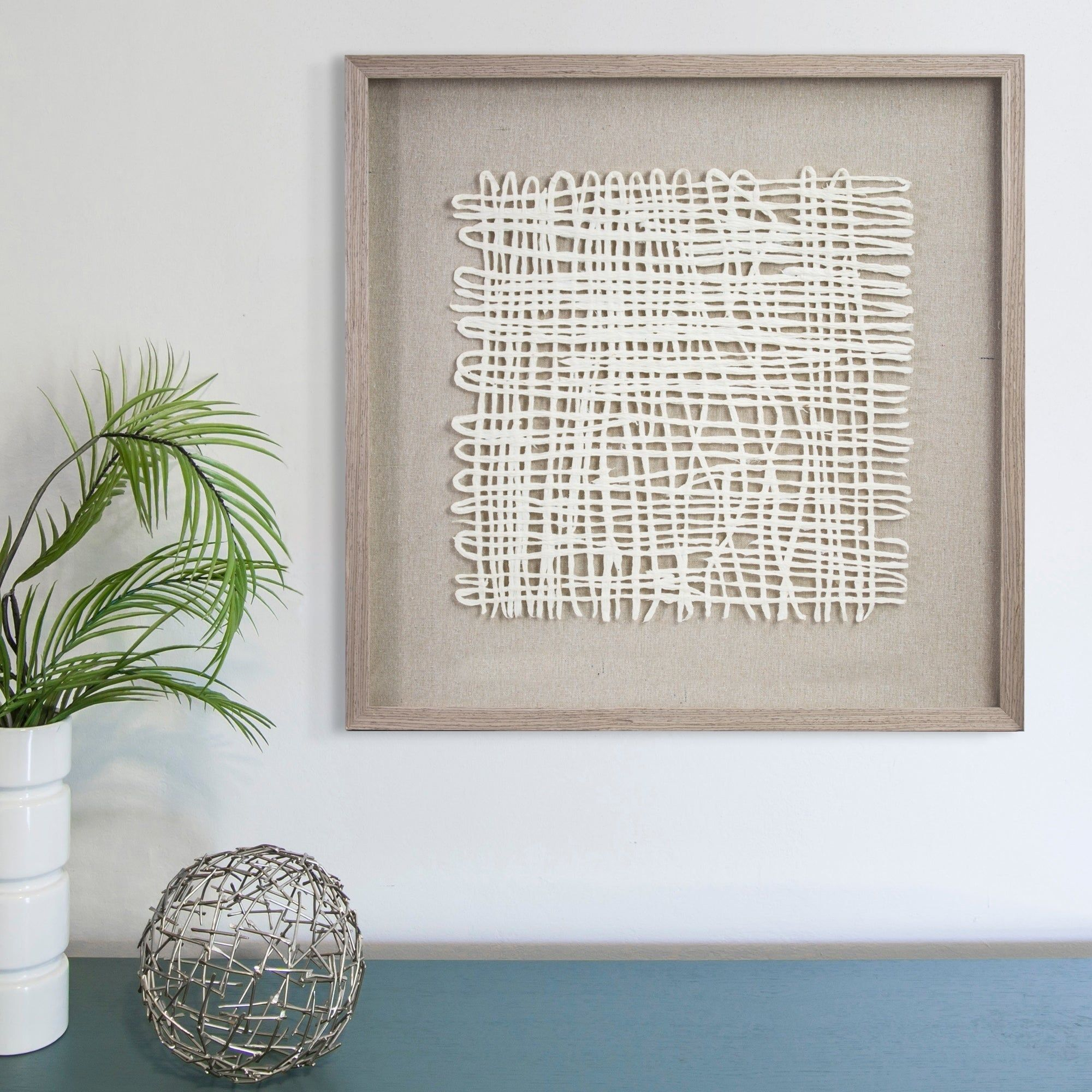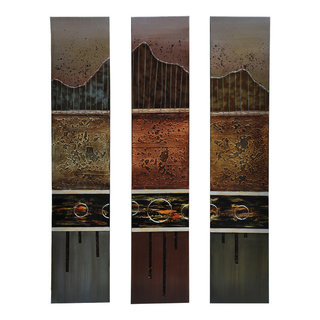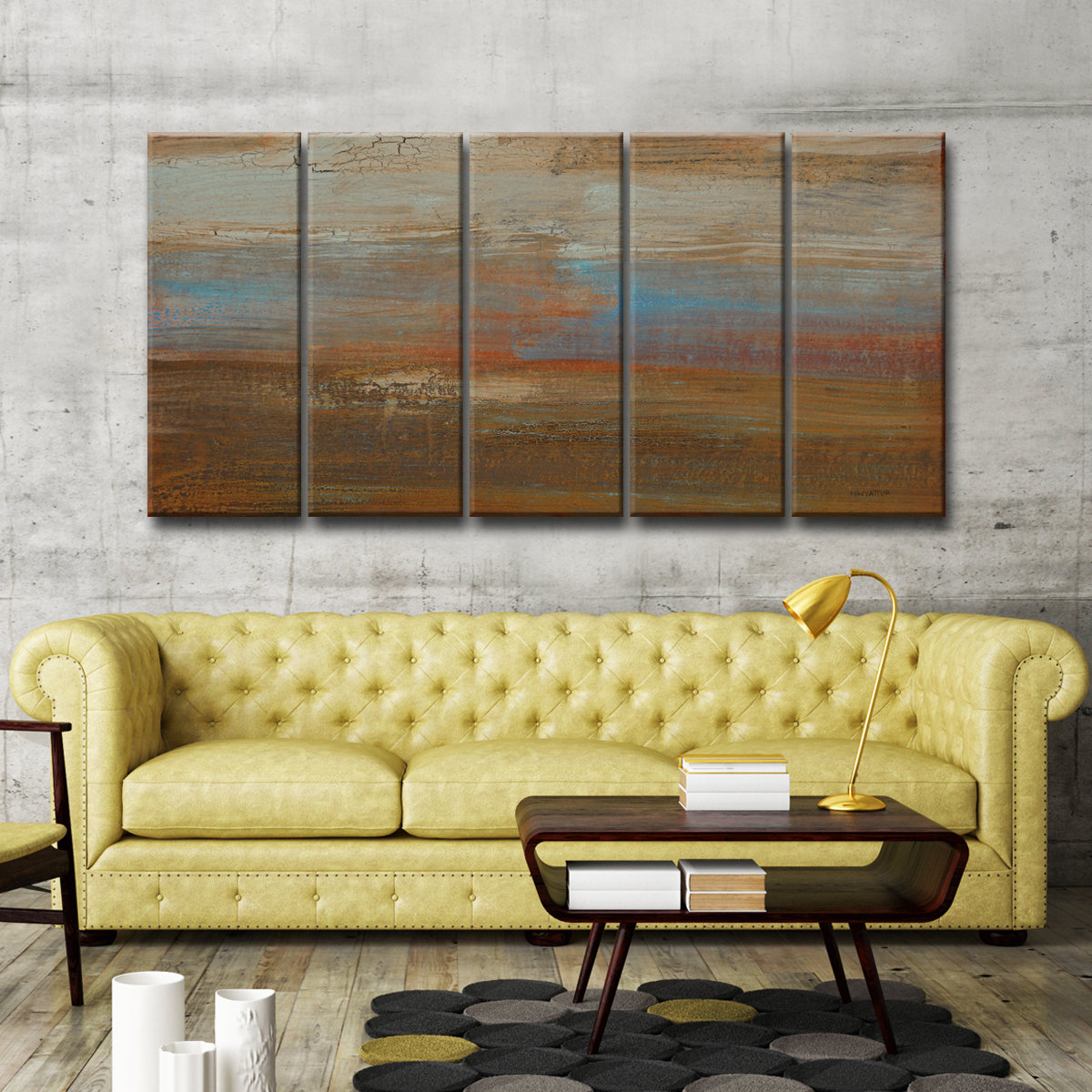
Have you ever walked into a room and felt like you were suddenly inside a painting? That’s exactly what happens when you encounter large-scale abstract paper art. These massive works don’t just hang on walls—they command space, shift perspectives, and create entirely new ways of experiencing visual art. It’s not just about size; it’s about how our brains process these enormous canvases and what they do to our sense of self and space.
Large-scale abstract paper art has become one of the most striking elements in contemporary art spaces. These works range from simple geometric shapes to complex layered compositions that seem to breathe with energy. But what makes them so powerful? Why do they make us pause, step back, and sometimes even feel a bit overwhelmed? The answer lies in how our visual system reacts to scale, color, texture, and movement. When we see something huge, our brain goes through a different set of processes than when we observe smaller pieces. This isn’t just about being impressed by size—it’s about understanding how art changes how we perceive reality itself.
How Size Alters Our Perception
The size of a piece of art fundamentally changes how we interact with it. A small sketch might catch our eye briefly, but a large paper piece can completely reshape our relationship with the space around us. This effect comes from several psychological factors. First, there’s the concept of ‘visual dominance’—when something is big enough, it becomes the dominant feature in our field of vision. You can’t help but notice it. Second, our brains interpret large objects differently. They trigger a more immersive experience because they force us to move around them, to walk through the space they occupy.
Consider how you approach a large abstract paper installation compared to a small drawing. With the big piece, you might find yourself walking in circles, trying to take it all in. Your body moves with the work rather than simply viewing it. This physical engagement creates a deeper connection between the viewer and the artwork. The size makes it impossible to simply look at the piece—it becomes part of your environment.
Color Psychology in Massive Artworks
Color plays a crucial role in how large abstract paper art affects us emotionally and psychologically. When a wall is covered in bold reds, deep blues, or vibrant yellows, those colors don’t just sit on the surface—they seem to radiate outward. This happens because our eyes have trouble processing too much color at once when it’s spread across a large area.
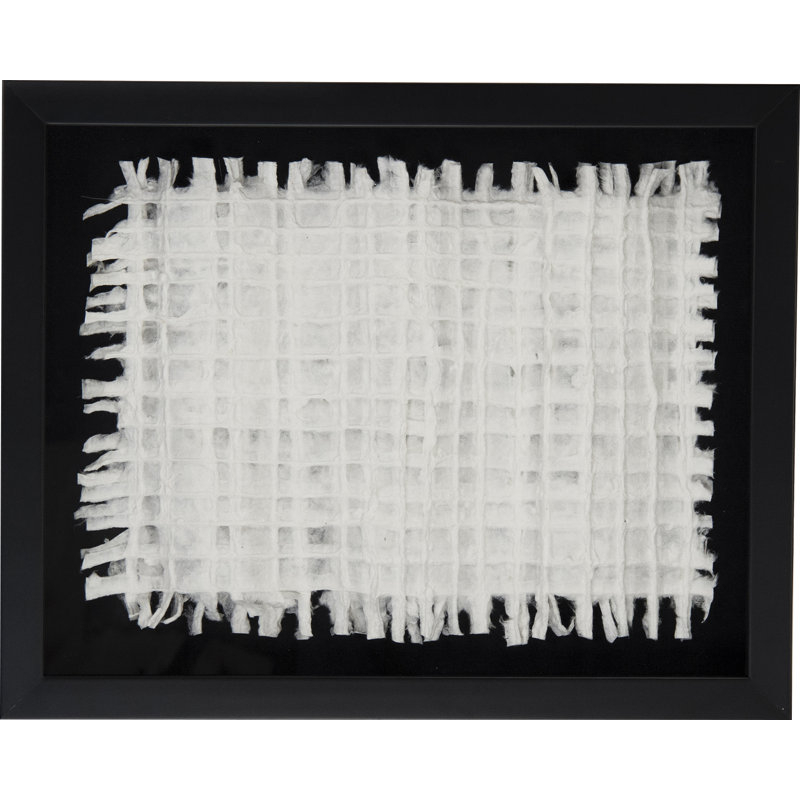
Think about how a single bright red dot on a white page feels versus the same color covering an entire wall. In the latter case, the intensity increases dramatically. Artists often use this to their advantage, creating works that can make viewers feel energized, calm, or even slightly disoriented. For instance, a large black and white composition might make you feel focused and analytical, while a sprawling field of warm oranges and yellows could evoke feelings of joy or passion.
The way color interacts with scale also means that small variations can have huge impacts. A slight shift in tone or hue across a large piece can create a subtle but powerful emotional journey for the viewer.
Texture and Surface Interaction
Abstract paper art isn’t just about flat colors—it’s often rich with texture and surface variation. These tactile qualities add another layer to how we experience large works. Think of how a rough paper surface might make a piece feel more organic or earthy, while smooth, glossy areas could create a sense of sleekness or modernity.
When you’re standing before a large textured piece, you might find yourself reaching out instinctively to touch it. This is normal. Our brains associate texture with physical interaction, and when something is large enough, we naturally want to explore it further. The scale amplifies this desire.
Some artists even incorporate actual materials beyond paper—like fabric, metal, or wood—to enhance the textural experience. These mixed-media approaches create a more complex sensory experience. A large paper piece with embedded ribbons or metal wire can make you feel like you’re walking through layers of sensation, not just sight. The combination of different textures can create depth and movement even in static works.
Movement Through Space and Composition
Large abstract paper art often guides viewers through space in unexpected ways. Unlike traditional paintings that we stand in front of, these works are designed to be experienced as you move around them. The composition can lead your eye along paths, sometimes creating a sense of rhythm or flow that mirrors how we move through physical environments.
Imagine a large piece that starts with a narrow line at one end and expands into a broad, sweeping shape. As you walk toward it, your perspective changes, and the piece seems to evolve. This kind of dynamic composition makes the artwork feel alive, even though it’s static. The artist has created a visual path that encourages exploration and discovery.
Some installations use negative space strategically, leaving gaps that invite viewers to move through the work rather than simply observe it. This approach turns the entire gallery or room into a stage for the artwork, with each viewer becoming part of the experience. The relationship between the person and the piece becomes interactive, not passive.
Emotional Resonance and Personal Connection
One of the most powerful aspects of large-scale abstract paper art is its ability to trigger personal emotional responses. Because these works don’t tell a specific story or depict recognizable objects, they leave room for individual interpretation. This openness allows each viewer to project their own experiences onto the piece.
A large blue composition might remind someone of the ocean, others might see it as representing sadness or tranquility. The size of the work enhances this personal connection because it fills your field of vision and makes you feel immersed in the emotion.
This emotional impact is why many people describe feeling changed after spending time near large abstract paper installations. They might not know exactly what they’re seeing, but they know they’ve been affected. The work becomes a mirror for their inner world, reflecting back emotions or thoughts they didn’t realize they were carrying.
Artists often create these pieces with this emotional resonance in mind. They choose colors, forms, and arrangements that they believe will speak to a wide range of viewers, creating a shared experience that transcends individual differences.
Cultural Context and Contemporary Relevance
In today’s world, large-scale abstract paper art has found a unique place in both galleries and public spaces. These works often reflect current cultural conversations, whether about identity, technology, or environmental concerns. The sheer presence of the artwork creates a space for reflection and dialogue that smaller pieces cannot match.
Many contemporary artists use large abstract works to challenge traditional notions of what art should be. They question how we consume visual media, how we relate to our surroundings, and how we experience beauty. By making their art so massive, they’re essentially saying: ‘This matters enough to fill your entire space.’
Public installations, especially in urban environments, show how these works can transform ordinary spaces into extraordinary experiences. A large paper piece in a subway station can turn a daily commute into a moment of artistic contemplation. The scale makes the art feel less like something to be observed and more like something to be lived within.
These installations also represent a shift in how we think about accessibility in art. When something is large and visually dominant, it can reach people who might not typically visit galleries or museums. It invites everyone to engage with art, regardless of their previous exposure to fine arts.
Large-scale abstract paper art represents more than just a trend—it’s a profound way of changing how we see and connect with our environment. These works don’t just hang on walls; they reshape our understanding of space, color, and emotion. They ask us to slow down, to move through space differently, and to consider how visual elements affect our internal states. Whether you’re standing in front of a massive red canvas or walking through a room filled with layered paper pieces, you’re participating in something larger than yourself. The impact isn’t just aesthetic—it’s deeply human. These artworks remind us that art isn’t just about looking at things; it’s about how we feel when we see them, and how those feelings change our relationship with the world around us. The next time you encounter a large abstract paper piece, try to pay attention to how it makes you move, how it affects your breathing, and what emotions it brings up. That’s the true magic of these powerful works.
[sps_html tag=”img” src=”https://cdn.theartssection.com/wp-content/uploads/2025/11/zentique-abstract-paper-framed-wall-art-wayfair-regarding-understanding-the-essence-of-abstract-paper-framed-art.jpg” alt=”Zentique Abstract Paper Framed Wall Art | Wayfair regarding Understanding the Essence of Abstract Paper Framed Art” style=”width: 100%; height: auto;”]
[sps_html tag=”img” src=”https://cdn.theartssection.com/wp-content/uploads/2025/11/abstract-paper-framed-wall-art-guwqju-within-abstract-paper-framed-art-off-white-paper-on-neutral-background-62-75×62-75.jpg” alt=”Abstract Paper Framed Wall Art - Guwqju within Abstract Paper Framed Art, Off-White Paper On Neutral Background, 62.75X62.75"” style=”width: 100%; height: auto;”]
[sps_html tag=”img” src=”https://cdn.theartssection.com/wp-content/uploads/2025/11/zentique-abstract-paper-framed-wall-art-perigold-intended-for-abstract-paper-framed-art-off-white-paper-on-neutral-background-62-75×62-75.jpg” alt=”Zentique Abstract Paper Framed Wall Art | Perigold intended for Abstract Paper Framed Art, Off-White Paper On Neutral Background, 62.75X62.75"” style=”width: 100%; height: auto;”]
[sps_html tag=”img” src=”https://cdn.theartssection.com/wp-content/uploads/2025/11/zentique-abstract-paper-framed-art-framed-on-paper-print-wayfair-pertaining-to-abstract-paper-framed-art-off-white-paper-on-neutral-background-62-75×62-75.jpg” alt=”Zentique Abstract Paper Framed Art Framed On Paper Print | Wayfair pertaining to Abstract Paper Framed Art, Off-White Paper On Neutral Background, 62.75X62.75"” style=”width: 100%; height: auto;”]
[sps_html tag=”img” src=”https://cdn.theartssection.com/wp-content/uploads/2025/11/abstract-paper-framed-wall-art-guwqju-intended-for-abstract-paper-framed-art-off-white-paper-on-neutral-background-62-75×62-75.jpg” alt=”Abstract Paper Framed Wall Art - Guwqju intended for Abstract Paper Framed Art, Off-White Paper On Neutral Background, 62.75X62.75"” style=”width: 100%; height: auto;”]