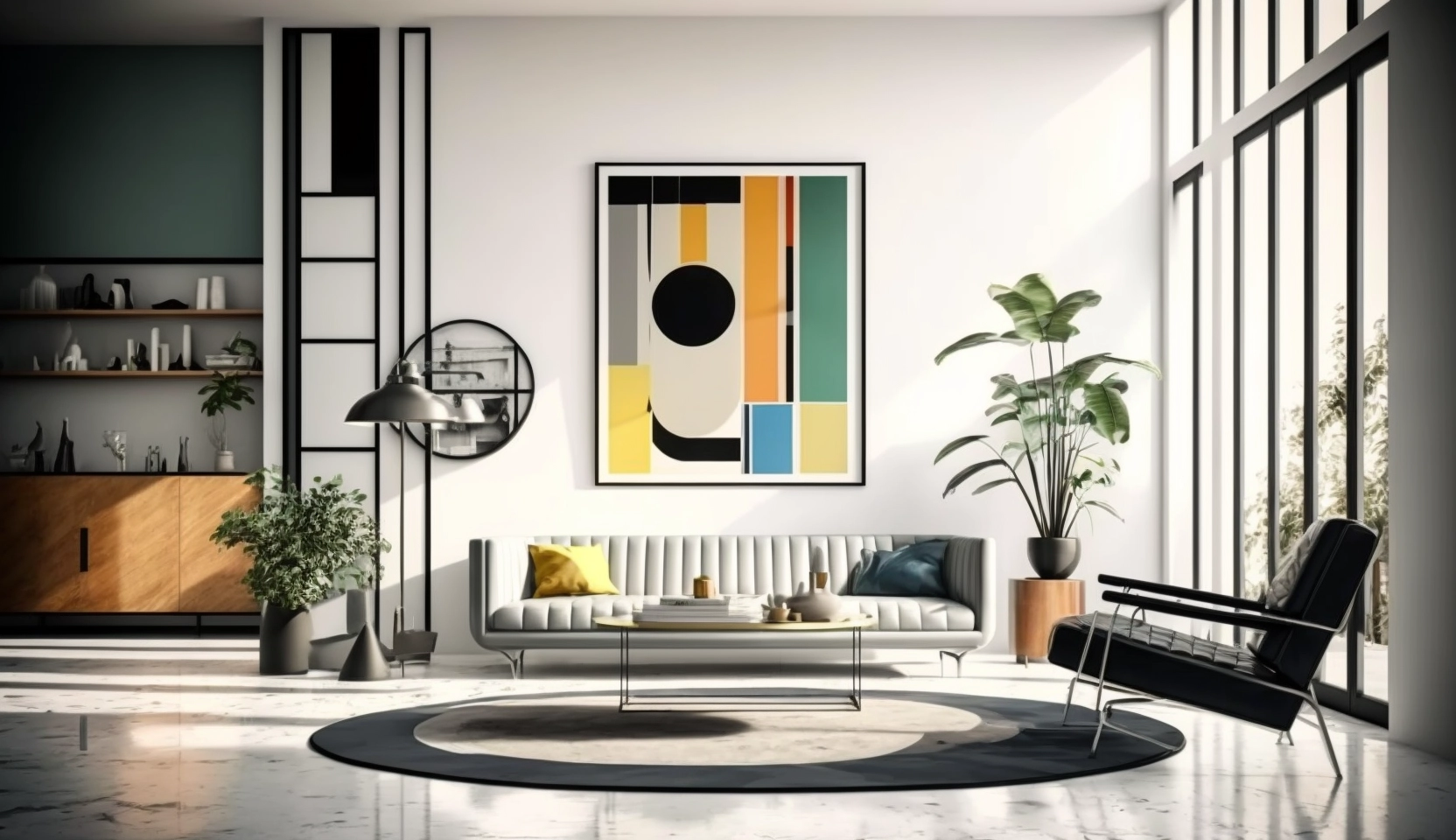
When you think about the most memorable visual experiences, chances are they involved something that felt special, rare, and carefully crafted. Fine art limited edition prints embody all of these qualities, creating a unique bridge between artistic vision and viewer connection. These carefully produced works don’t just hang on walls – they command attention, spark conversation, and leave lasting impressions.
In a world flooded with images, the power of a well-crafted fine art print stands out like a beacon. It’s not just about the artwork itself, but how that artwork gets presented, produced, and experienced. Limited edition prints offer something special – they’re not mass-produced copies, but carefully controlled reproductions that maintain artistic integrity while creating accessibility. Think about how different a museum exhibit feels when you see a reproduction versus the original. The same principle applies here, but with a twist that makes every single print feel significant. What makes these prints so compelling isn’t just their visual appeal, but the story behind them and the intentionality of their creation.
Understanding Limited Edition Print Production
The foundation of any impactful print lies in its production process. Unlike regular commercial printing, limited edition prints involve a meticulous approach that begins with the artist’s original work and extends through every step of reproduction. This means each print is created with specific materials and techniques designed to preserve the essence of the original artwork.
Consider the difference between a digital print made on standard paper and one produced using traditional methods with archival materials. The latter carries weight, literally and figuratively. The paper quality, ink selection, and even the printing technique all contribute to the final impact. Artists often choose specific mediums like lithography, screen printing, or etching because they offer particular textures and visual characteristics that enhance the artwork’s message.
The limited nature of these editions adds another layer of significance. When viewers know there are only a certain number of prints available, they understand they’re witnessing something exclusive. This scarcity creates immediate visual impact because it changes how people perceive and interact with the work. They’re not just looking at an image – they’re experiencing a unique moment in time.
Composition and Visual Hierarchy
Every great print starts with strong composition principles that guide the viewer’s eye naturally through the artwork. This isn’t just about aesthetics – it’s about creating intentional visual pathways that communicate the artist’s message effectively. Think of composition as the roadmap that leads viewers through your artistic journey.
The rule of thirds, leading lines, and focal points work together to create that sense of visual harmony that draws people in. But beyond technical elements, consider how different elements interact with each other. A bold color might draw attention first, followed by texture, then shape, and finally detail. This hierarchy ensures that viewers absorb the artwork in a way that matches the artist’s intent.
Real-world example: A landscape print might use a bright sky to draw the eye upward, then guide attention to a tree or building through contrast and placement. The viewer naturally moves through the scene, feeling the artist’s intended emotional journey. This careful arrangement of visual elements transforms a simple image into a compelling narrative that resonates long after viewing.
Material Selection and Quality Considerations
What you put your artwork on matters enormously when it comes to visual impact. The choice of paper, canvas, or other substrates can dramatically change how a print appears and feels. This decision isn’t purely aesthetic – it affects everything from durability to the way light reflects off the surface.
Archival papers are essential for longevity and consistent color reproduction. These papers are specifically designed to resist fading, yellowing, and deterioration over time. They’re particularly important for limited editions because collectors want their investment to maintain its value and appearance for years to come. Some artists prefer textured papers that add tactile interest, while others choose smooth surfaces for clean, precise reproduction.
The thickness and weight of materials also play a role. A heavy cardstock print will feel substantial in hand, while a thin paper might seem fragile. Both approaches have their place, depending on the artwork’s character and intended presentation. Consider how the material choices support the overall message of the piece – sometimes a rough texture reinforces themes of struggle or authenticity, while smoothness might emphasize elegance or clarity.
Color Theory and Emotional Response
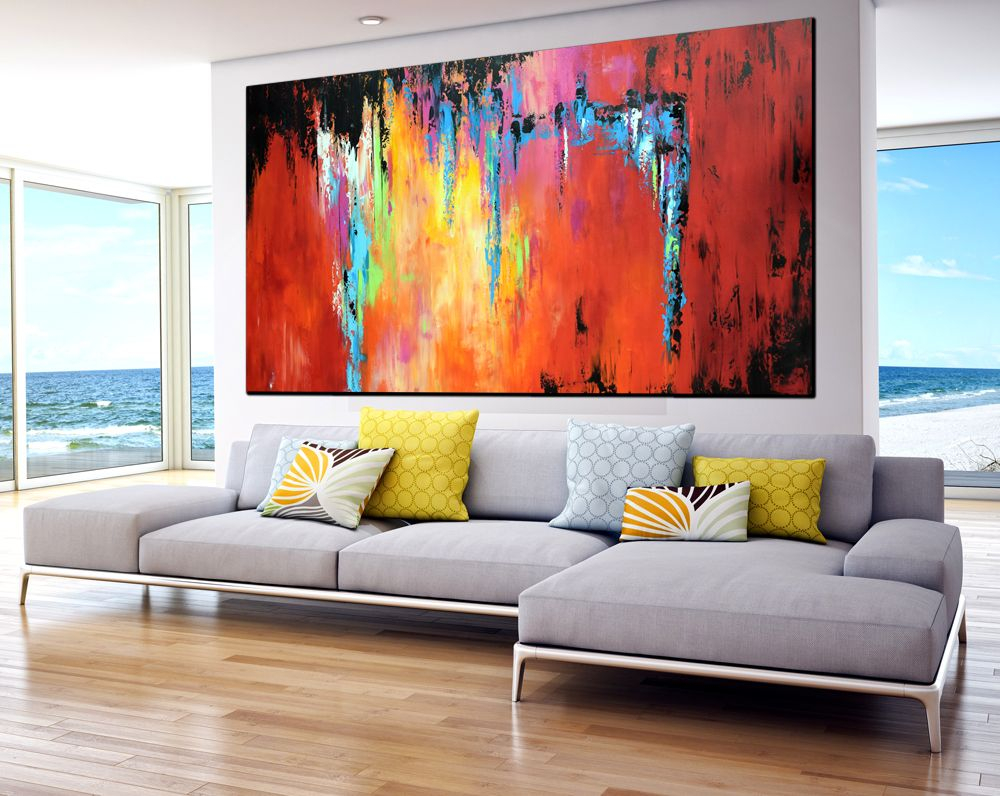
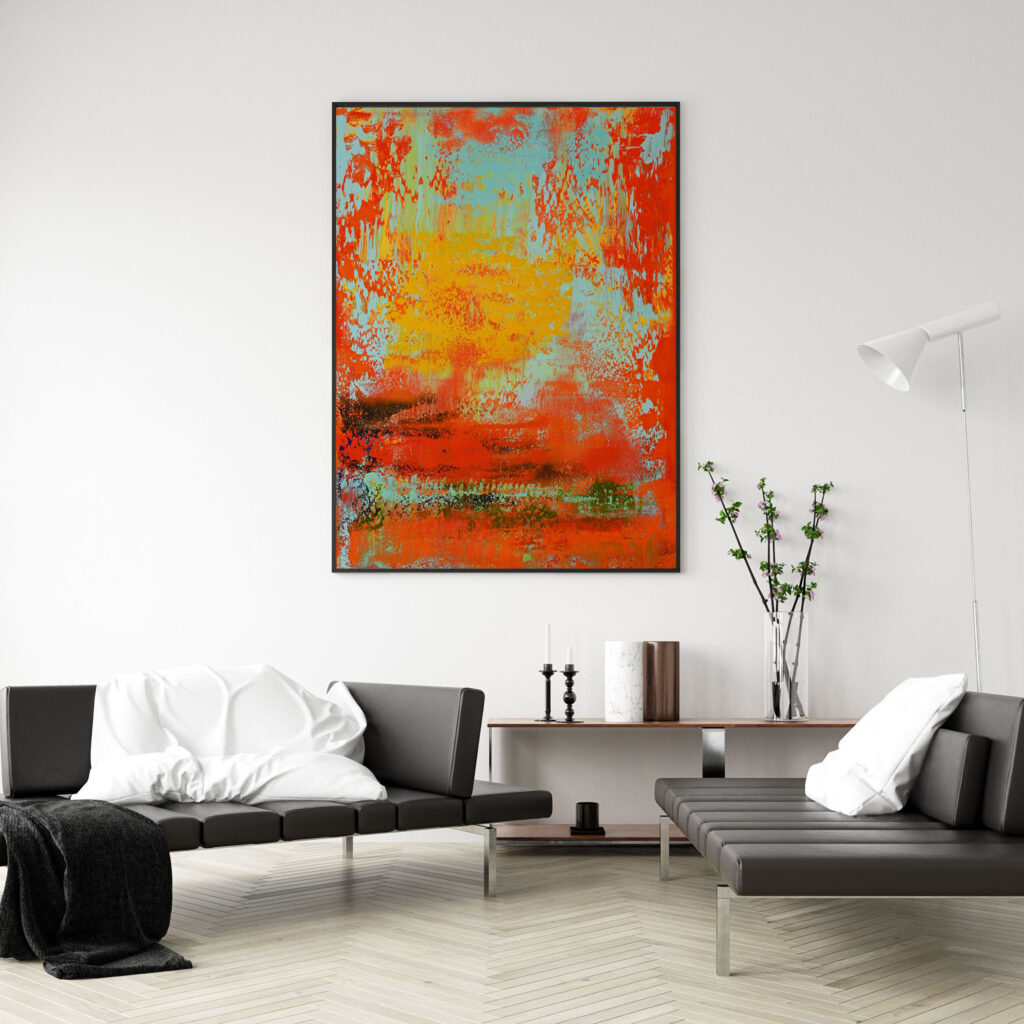
Colors don’t just decorate prints – they drive emotional responses and shape how viewers connect with artwork. Understanding color psychology helps artists create prints that resonate deeply with their audience. Warm colors like reds and oranges tend to evoke energy and passion, while cool blues and greens often suggest calm or melancholy.
In limited editions, color choices become even more critical because each print must maintain consistency across the entire series. This requires careful planning and testing to ensure that variations in lighting or display don’t alter the intended emotional impact. For instance, a print meant to convey serenity should look serene whether viewed in natural daylight or artificial lighting.
The interplay between different colors creates visual tension or harmony. A print with contrasting colors might grab attention immediately, while complementary colors can create subtle but pleasing relationships. Artists often study how their chosen palette affects mood and use this knowledge to craft prints that speak directly to viewers’ emotions. Sometimes, a single hue can carry the entire emotional weight of an entire composition.
Size and Scale Considerations
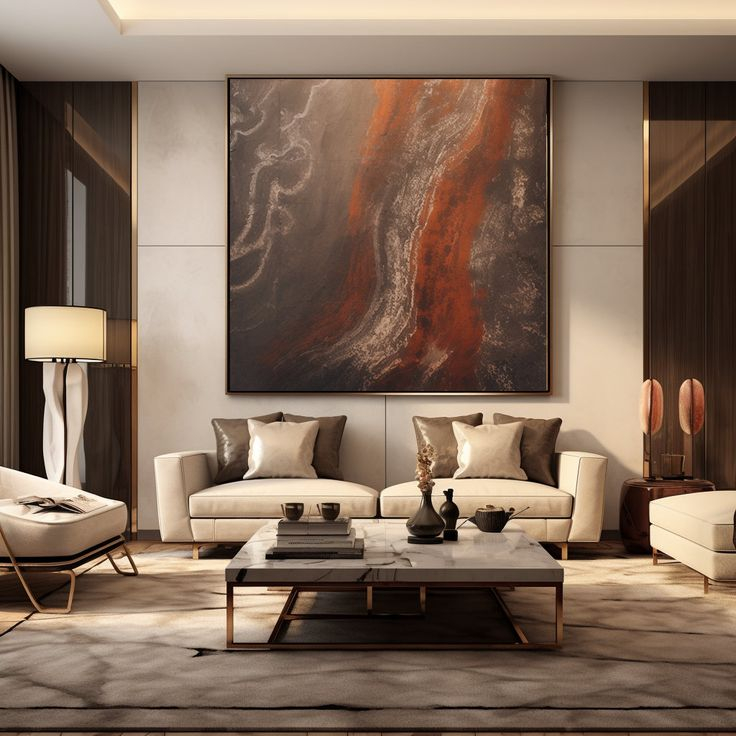
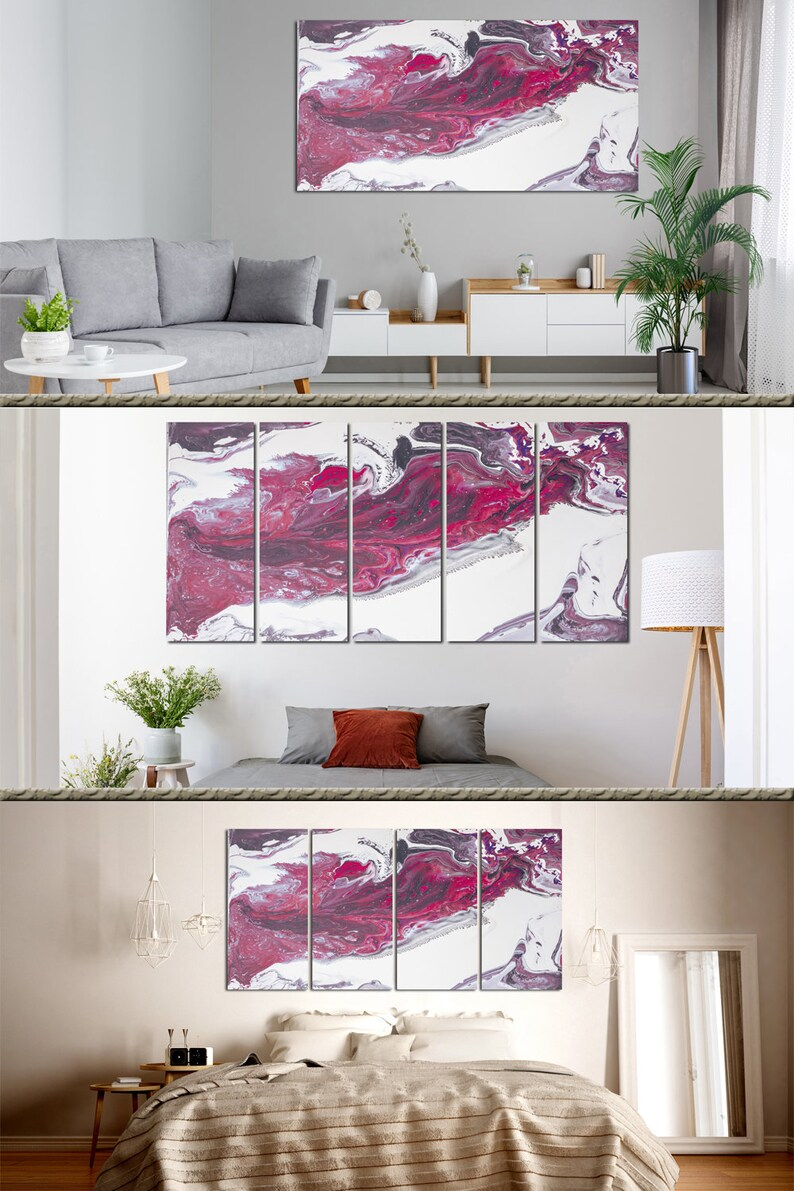
Size isn’t just about physical dimensions – it’s about creating appropriate visual impact for the intended space and audience. A small print might whisper quietly in a gallery corner, while a large-scale piece can dominate a room and command immediate attention. The relationship between the print’s size and the environment it occupies affects how viewers experience the artwork.
Large prints are particularly effective for making bold statements. They can transform a simple wall into a dramatic focal point that becomes the center of conversation. Smaller prints, meanwhile, invite closer inspection and personal engagement. The scale influences how much detail viewers can appreciate and how intimately they can connect with the artwork.
Think about how different sizes work in various settings. A portrait-sized print in a hallway might catch someone’s eye during a quick pass, while a massive abstract piece in a gallery space could change the entire atmosphere. Size considerations also affect framing decisions, which we’ll explore next. The right scale can turn an ordinary wall into an extraordinary visual experience.
Presentation and Display Strategies
How a print is displayed can make or break its visual impact. Even the most stunning artwork can lose its power if it’s poorly framed, positioned incorrectly, or placed in an uninviting environment. The presentation stage is where art meets the real world, and it’s crucial for creating lasting impressions.
Framing choices significantly affect how viewers interpret a print. A classic wooden frame might add traditional elegance, while a modern metal frame could create contemporary edge. The frame should complement rather than compete with the artwork. Consider the overall aesthetic of the space where the print will hang – a rustic farmhouse setting might call for vintage-style frames, while a minimalist office might benefit from clean, simple designs.
Lighting plays a huge role too. Proper illumination can highlight details and bring colors to life, while poor lighting might wash out an entire composition. Adjustable lighting allows for flexibility in how the print is experienced throughout different times of day. The goal is to ensure that the print always looks its best, regardless of viewing conditions. Sometimes, even a simple placement on a wall can create magic when done thoughtfully.
Collectibility and Market Value Factors
Limited edition prints exist in a unique position between accessibility and exclusivity. The market value of these works depends on several factors that influence both their artistic merit and their financial appeal. Understanding these elements helps artists, collectors, and buyers make informed decisions about pricing, production, and investment potential.
Artist reputation and recognition form the backbone of collectibility. Established artists typically command higher prices because their work has proven cultural and financial value. However, emerging artists with exceptional talent can also build strong followings quickly, especially when their prints capture current trends or address relevant social issues. The artist’s previous sales history, exhibition records, and critical reception all factor into market positioning.
Provenance matters enormously too. Prints with documented histories, including previous ownership or exhibition records, often hold greater value. Certificates of authenticity and detailed documentation of the printing process provide additional security for collectors. The edition number and artist signature also contribute to individual print value within a series. These factors combine to create a complex ecosystem where each element influences the others, ultimately determining whether a print becomes a treasured possession or simply another decorative item.
Digital vs. Traditional Printing Methods
The evolution of printing technology has opened new possibilities for creating impactful limited edition prints, but it hasn’t replaced traditional methods entirely. Each approach offers distinct advantages and challenges that affect the final visual result and artistic integrity.
Traditional methods like lithography and etching produce prints with unique textures and characteristics that digital printing struggles to replicate. These techniques often involve multiple steps and manual processes that create subtle variations in each print, adding individuality to limited editions. The handmade quality of traditional prints often appeals to collectors seeking authentic craftsmanship and historical connection.
Digital printing, on the other hand, offers incredible precision and consistency across all prints in a series. It’s also more cost-effective for smaller editions and allows for rapid production cycles. Modern digital systems can reproduce colors with remarkable accuracy and offer features like variable data printing that enables customization. However, some artists find that digital prints lack the warmth and depth associated with traditional methods.
The choice between methods often comes down to artistic vision and intended audience. Some artists prefer the organic feel of traditional techniques, while others embrace digital’s precision and flexibility. Many contemporary artists blend both approaches, using digital tools for initial design work and traditional methods for final production, creating hybrid works that honor both worlds.
Marketing and Promotion Strategies
Creating visually impressive prints is only half the battle – getting them noticed and appreciated requires smart marketing strategies that align with the artwork’s inherent qualities. The promotional approach should reflect the print’s unique characteristics and target audience.
Social media platforms offer excellent opportunities to showcase prints in ways that traditional galleries cannot match. High-quality photography and video content can demonstrate the texture, colors, and details that make prints special. Instagram and Pinterest are particularly effective for visual art, allowing potential buyers to see prints in various settings and contexts.
Networking within the art community also proves vital. Attending art fairs, gallery openings, and artist meetups helps build relationships with collectors, curators, and fellow artists. Word-of-mouth recommendations often prove more powerful than advertising because they come from trusted sources who understand the artwork’s value.
Consider how your print communicates with potential buyers before they even see it. The title, description, and accompanying materials should reinforce the visual impact and emotional resonance of the artwork. Every element of promotion should support the central message that the print delivers visually. Marketing success often hinges on understanding that people buy into visual experiences, not just products.
Future Trends and Technological Advances
The world of limited edition prints continues evolving rapidly, driven by technological advances and changing consumer expectations. New materials, printing techniques, and distribution methods are reshaping how artists create and share their work.
Sustainability concerns are becoming increasingly important in print production. Eco-friendly inks, recycled papers, and energy-efficient printing processes are gaining popularity among environmentally conscious artists and collectors. These developments don’t compromise visual quality but instead enhance the appeal of prints to socially responsible consumers.
Interactive elements are also appearing in modern prints, thanks to augmented reality and QR codes that provide additional context or multimedia experiences. While these additions might seem gimmicky, they can enhance traditional print experiences by offering deeper engagement without overwhelming the core artwork.
Blockchain technology is beginning to impact how limited editions are tracked and authenticated, potentially revolutionizing the market by providing transparent ownership records and preventing counterfeits. These innovations promise to make the market more secure and trustworthy for everyone involved, from artists to collectors.
Creating visual impact with fine art limited edition prints is both an art and a science. It requires understanding not just the technical aspects of production, but also the human elements that make art meaningful to viewers. Whether you’re an artist looking to create impactful work, a collector seeking valuable pieces, or simply someone who appreciates beautiful visuals, the principles outlined here offer a framework for understanding how prints can truly make a difference. The magic happens when thoughtful composition meets quality materials, proper presentation, and strategic thinking about audience and purpose. Every great print tells a story, and that story deserves to be told with care, intention, and respect for both the artwork and those who experience it.
[sps_html tag=”img” src=”https://cdn.theartssection.com/wp-content/uploads/2025/11/contemporary-abstract-wall-decor-creative-modern-art-etsy-with-the-evolution-of-contemporary-abstract-wall-art-in-interior-design.jpg” alt=”Contemporary Abstract Wall Decor Creative Modern Art - Etsy with The Evolution of Contemporary Abstract Wall Art in Interior Design” style=”width: 100%; height: auto;”]
[sps_html tag=”img” src=”https://cdn.theartssection.com/wp-content/uploads/2025/11/brown-rust-beige-modern-contemporary-abstract-wall-art-painting-inside-abstract-modern-wall-painting-fine-art-limited-edition-60-giclee-by-eloisexxx.jpg” alt=”Brown, Rust, Beige Modern Contemporary Abstract Wall Art Painting … inside Abstract Modern Wall Painting Fine Art Limited Edition 60" Giclee By Eloisexxx” style=”width: 100%; height: auto;”]
[sps_html tag=”img” src=”https://cdn.theartssection.com/wp-content/uploads/2025/11/mastering-abstract-interior-design-a-comprehensive-guide-to-artful-with-regard-to-the-evolution-of-contemporary-abstract-wall-art-in-interior-design.webp” alt=”Mastering Abstract Interior Design: A Comprehensive Guide To Artful … with regard to The Evolution of Contemporary Abstract Wall Art in Interior Design” style=”width: 100%; height: auto;”]
[sps_html tag=”img” src=”https://cdn.theartssection.com/wp-content/uploads/2025/11/how-to-style-your-interior-with-abstract-art-paintings-within-the-evolution-of-contemporary-abstract-wall-art-in-interior-design.jpg” alt=”How To Style Your Interior With Abstract Art Paintings within The Evolution of Contemporary Abstract Wall Art in Interior Design” style=”width: 100%; height: auto;”]
[sps_html tag=”img” src=”https://cdn.theartssection.com/wp-content/uploads/2025/11/modern-abstract-painting-contemporary-wall-art-abstract-canvas-painting-within-the-evolution-of-contemporary-abstract-wall-art-in-interior-design.jpg” alt=”Modern Abstract Painting, Contemporary Wall Art, Abstract Canvas Painting within The Evolution of Contemporary Abstract Wall Art in Interior Design” style=”width: 100%; height: auto;”]