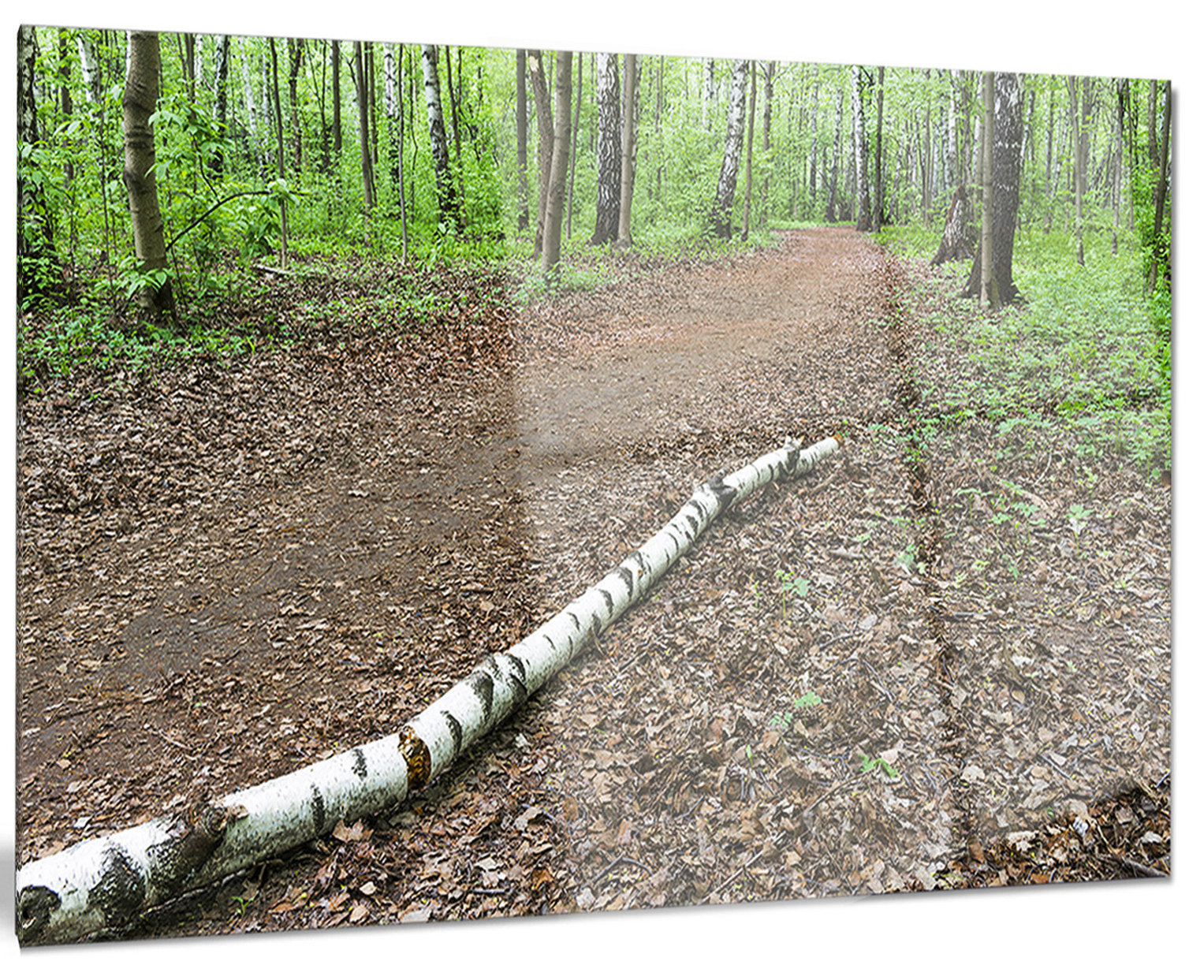
Imagine walking through a city park and realizing that every bench, every pathway, every plant selection was carefully planned to create a specific feeling. That’s the power of landscape art in contemporary design. It’s no longer just about pretty flowers and tree placements – it’s about crafting experiences, telling stories, and creating spaces that feel alive.
When we think about design today, we often picture sleek buildings, minimalist interiors, or vibrant digital interfaces. But beneath all of that modern elegance lies something much older and deeply rooted in human experience – landscape art. This ancient practice of arranging and designing outdoor spaces has undergone a dramatic transformation over the past few decades. What started as simple garden planning has evolved into a sophisticated discipline that influences how we build cities, create digital experiences, and even shape our mental well-being. Think about it – when was the last time you walked through a space and felt genuinely refreshed? Often, that feeling comes from thoughtful landscape integration, whether it’s a rooftop garden that makes a skyscraper feel less sterile or a public plaza designed to encourage social interaction.
Historical Foundations and Modern Shifts
Landscape art isn’t new. We’ve been arranging nature for thousands of years, from ancient Egyptian gardens to medieval monastic spaces. But the real shift happened in the 1960s and 70s when designers began questioning traditional approaches. The industrial revolution had created a disconnect between people and nature, and designers started asking crucial questions. How do we bring the outdoors in? How do we create harmony between built environments and natural elements?
This period saw the rise of environmental consciousness in design. Designers like Lawrence Halprin pioneered the idea that landscapes could be more than decorative features – they could be active participants in shaping human behavior and emotional responses. His work on the San Francisco waterfront showed how careful landscape planning could transform a utilitarian area into a vibrant community gathering place.
The fundamental change was moving from seeing landscapes as afterthoughts to recognizing them as essential components of design strategy. Today, this mindset has become so ingrained that many architects and urban planners start their projects with landscape considerations rather than treating them as final touches.
Technology’s Role in Redefining Boundaries
The digital age brought unexpected twists to landscape art. Virtual reality, augmented reality, and smart sensors have opened entirely new possibilities. Imagine walking through a park where digital displays show information about plants, or where interactive installations respond to weather conditions. These aren’t science fiction concepts anymore – they’re happening right now.
Smart landscapes use technology to enhance rather than replace natural elements. Sensors can monitor soil moisture, track visitor patterns, and even predict maintenance needs. This data-driven approach allows for more sustainable and responsive design solutions. A city park might adjust its irrigation system based on rainfall data, or lighting could change according to foot traffic patterns.
Perhaps most exciting is how technology enables designers to simulate and test concepts before construction begins. Virtual models let teams experiment with different layouts, plant combinations, and user flows. This not only saves money but also creates better outcomes for everyone involved. The result is landscapes that are more efficient, more beautiful, and more responsive to human needs than ever before.
Sustainability as Core Philosophy
Contemporary landscape design has become synonymous with sustainability. This isn’t just a trend – it’s a fundamental shift in how we approach environmental responsibility. Designers now consider everything from water conservation to carbon footprint reduction when creating outdoor spaces.
Native plant selection has become a cornerstone of modern landscape art. These plants require less water, fewer pesticides, and provide habitat for local wildlife. When designers choose native species, they’re essentially creating a mini ecosystem within the urban environment. A single garden might support dozens of bird species, pollinate insects, and even improve air quality.
Water management systems represent another major evolution. Rain gardens, bioswales, and permeable surfaces are becoming standard features in new developments. These elements don’t just manage stormwater – they create beautiful, functional spaces that serve multiple purposes. The old adage ‘form follows function’ has evolved into ‘form follows purpose and responsibility.’
Consider the High Line in New York City. This elevated park was built on an abandoned railway track and incorporated extensive sustainable features. The designers used recycled materials, installed solar panels, and created a habitat for local flora and fauna. The result is a space that’s both environmentally responsible and economically successful.
Human-Centered Design Principles
Modern landscape art is fundamentally about people. Designers now spend significant time observing how people actually use spaces, rather than assuming how they should be used. This human-centered approach has led to more intuitive and inclusive designs.
Inclusive design means considering accessibility from the beginning. Ramps, sensory gardens, and seating areas designed for different needs are no longer optional features. They’re essential components of good landscape design. A playground that includes equipment for children with disabilities transforms from a simple play area into a community asset.
Emotional design also plays a huge role. Colors, textures, sounds, and scents all contribute to how people feel in outdoor spaces. A garden designed with biophilic principles incorporates natural elements that reduce stress and increase productivity. Research shows that people who work near green spaces report higher job satisfaction and better mental health.
The concept of ‘place-making’ has gained enormous importance. Good landscape design creates spaces that feel distinct and meaningful to their communities. Rather than generic parks, we see neighborhood-specific designs that reflect local culture and history. A community center surrounded by a garden that celebrates local agriculture feels completely different from a generic recreational area.
Integration Across Design Disciplines
Today’s landscape artists work across boundaries that wouldn’t have existed decades ago. Architecture, interior design, urban planning, and even digital design now incorporate landscape thinking. This cross-pollination has created some truly innovative solutions.
Architecture firms now integrate landscape design from the earliest stages of building projects. The result is structures that don’t just sit in a landscape – they become part of it. The Bosco Verticale in Milan, Italy, literally grows trees and shrubs on apartment building facades. This isn’t just decoration; it’s a complete reimagining of how buildings can interact with the natural environment.
Interior designers are bringing landscape elements inside. Living walls, indoor gardens, and natural materials like wood and stone create seamless transitions between indoor and outdoor spaces. The trend toward biophilic design shows how people crave connection with nature even within built environments.
Digital interfaces have also embraced landscape metaphors. Many apps and websites now use natural elements like water flows, organic shapes, and earth tones to create more intuitive user experiences. The visual language of landscape art has found its way into the digital realm.
Future Directions and Emerging Trends
Looking ahead, landscape art continues to evolve rapidly. Climate change has introduced new challenges and opportunities. Designers are creating adaptive landscapes that can withstand extreme weather while providing cooling benefits during heat waves. Green infrastructure solutions are being implemented in cities worldwide to address flooding, air pollution, and urban heat islands.
Vertical gardening and rooftop farms are expanding beyond novelty to become practical solutions for food security and urban biodiversity. These spaces don’t just produce food – they create habitats for birds and beneficial insects, improve air quality, and provide educational opportunities.
The concept of regenerative design is gaining traction. Rather than simply maintaining existing conditions, these approaches aim to actively restore and improve ecosystems. This might mean designing spaces that sequester more carbon than they consume, or that support declining pollinator populations.
Urban agriculture is another growing trend. Community gardens, school food plots, and commercial growing spaces are being integrated into city planning. These spaces serve multiple functions – they provide fresh food, create social connections, and offer educational opportunities about sustainable living.
The evolution of landscape art in contemporary design represents more than just aesthetic changes – it’s a reflection of how society values and interacts with nature. From the early pioneers who challenged traditional design thinking to today’s tech-savvy practitioners creating smart, sustainable spaces, landscape art has become central to how we think about the relationship between people and environment.
What’s remarkable is how this evolution has made us more conscious of our surroundings. Every time we walk through a thoughtfully designed space, we’re experiencing the results of decades of innovation and rethinking. The future promises even more exciting developments as designers continue to push boundaries and find creative solutions to modern challenges.
Whether you’re planning a small garden or designing a major urban development, understanding the evolution of landscape art gives you insight into why certain spaces feel good and others don’t. It’s not just about making things look nice – it’s about creating experiences that enhance human well-being and environmental health. The best landscapes don’t just exist in nature – they exist in the spaces between us and our environment, helping us feel more connected to both.
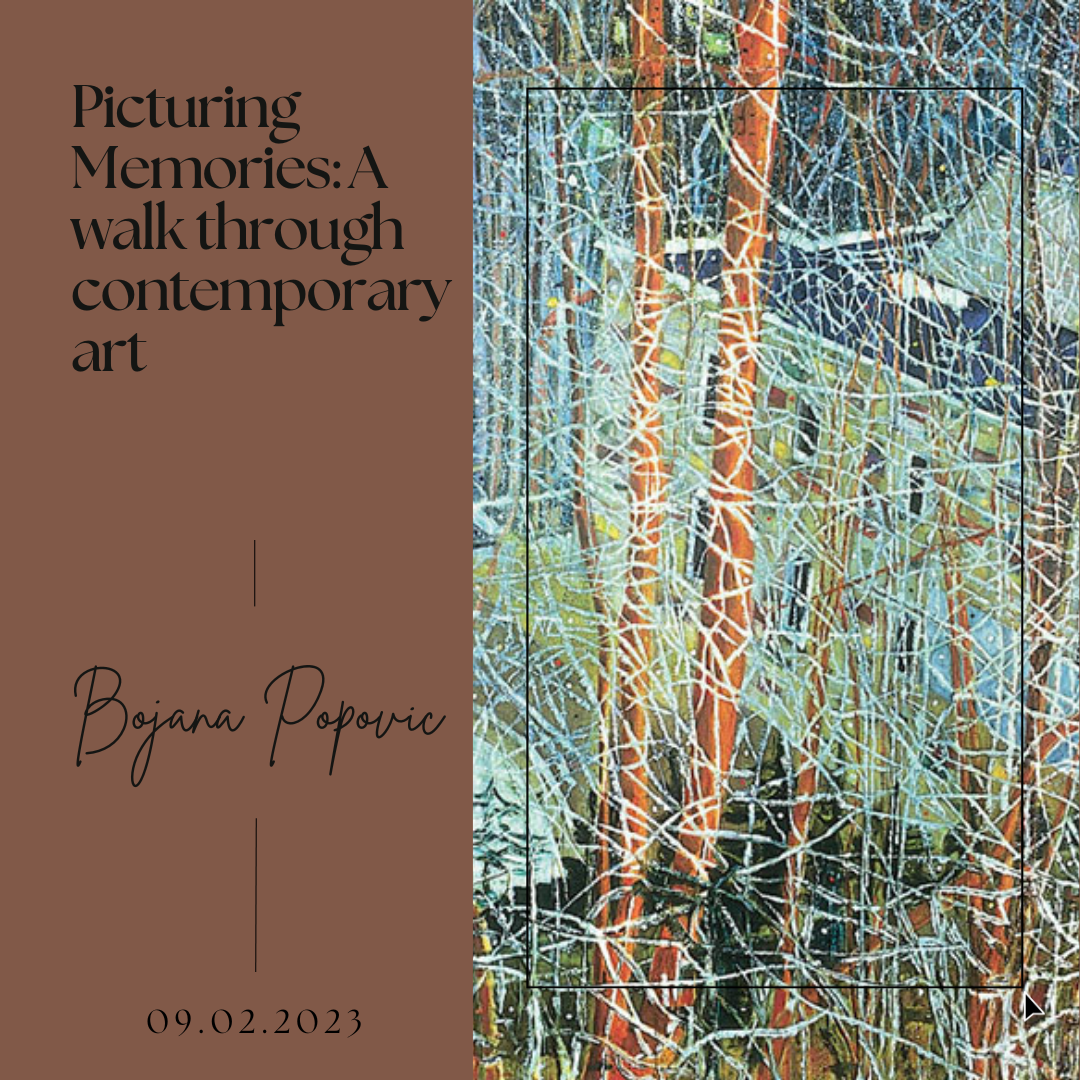
[sps_html tag=”img” src=”https://cdn.theartssection.com/wp-content/uploads/2025/12/picturing-memories-a-walk-through-contemporary-art-level-pertaining-to-how-trunk-of-birch-on-the-track-transforms-modern-interior-spaces-through-contemporary-art.png” alt=”Picturing Memories: A Walk Through Contemporary Art - Level pertaining to How Trunk of Birch On The Track Transforms Modern Interior Spaces Through Contemporary Art” style=”width: 100%; height: auto;”]
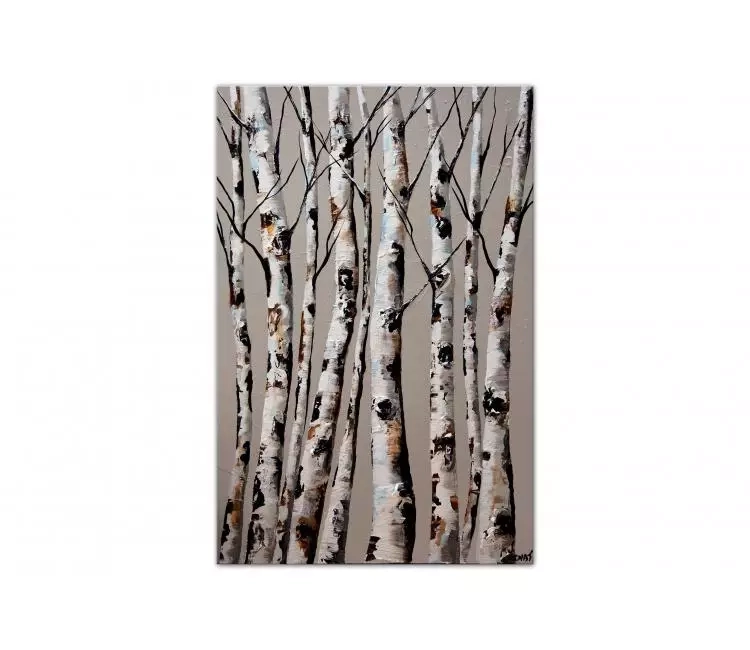
[sps_html tag=”img” src=”https://cdn.theartssection.com/wp-content/uploads/2025/12/trunk-of-birch-on-the-track-metal-wall-art-40×30-contemporary-within-how-trunk-of-birch-on-the-track-transforms-modern-interior-spaces-through-contemporary-art.jpg” alt=”"Trunk Of Birch On The Track" Metal Wall Art, 40"X30" - Contemporary … within How Trunk of Birch On The Track Transforms Modern Interior Spaces Through Contemporary Art” style=”width: 100%; height: auto;”]
[sps_html tag=”img” src=”https://cdn.theartssection.com/wp-content/uploads/2025/12/trunk-birch-bark-pattern-with-regard-to-how-trunk-of-birch-on-the-track-transforms-modern-interior-spaces-through-contemporary-art.jpg” alt=”Trunk Birch Bark Pattern with regard to How Trunk of Birch On The Track Transforms Modern Interior Spaces Through Contemporary Art” style=”width: 100%; height: auto;”]
[sps_html tag=”img” src=”https://cdn.theartssection.com/wp-content/uploads/2025/12/glowing-birch-trunk-is-making-a-splash-stepsmaterial-2024-throughout-how-trunk-of-birch-on-the-track-transforms-modern-interior-spaces-through-contemporary-art.webp” alt=”Glowing Birch Trunk Is Making A Splash! | Stepsmaterial 2024 throughout How Trunk of Birch On The Track Transforms Modern Interior Spaces Through Contemporary Art” style=”width: 100%; height: auto;”]
[sps_html tag=”img” src=”https://cdn.theartssection.com/wp-content/uploads/2025/12/modern-birch-trees-modern-wall-art-print-on-throughout-trunk-of-birch-on-the-track-contemporary-landscape-wall-art-4-panels.webp” alt=”Modern Birch Trees Modern Wall Art Print On throughout "Trunk Of Birch On The Track" Contemporary Landscape Wall Art, 4 Panels” style=”width: 100%; height: auto;”]