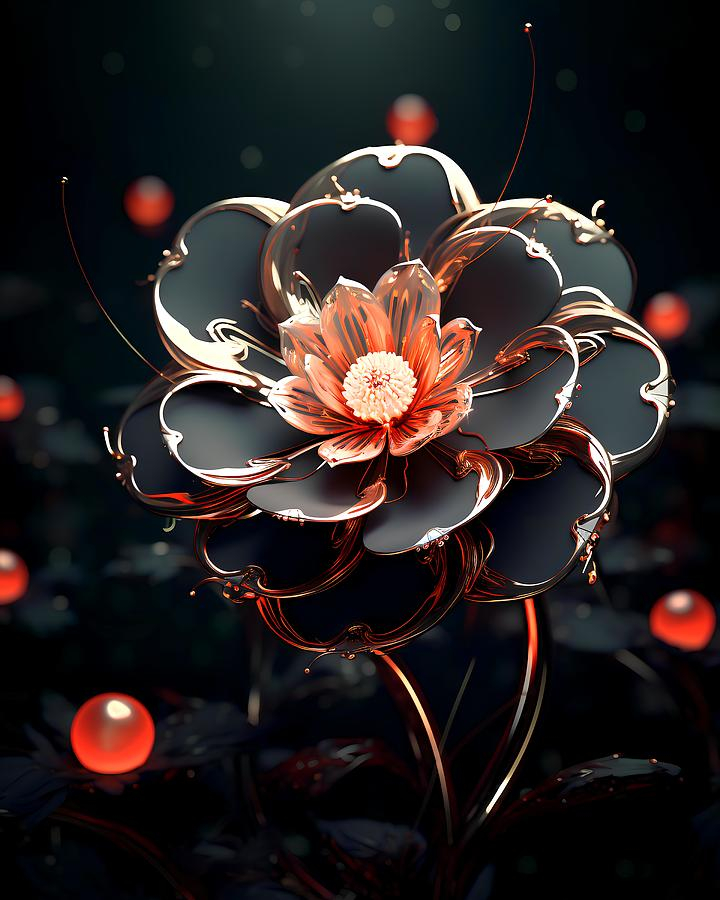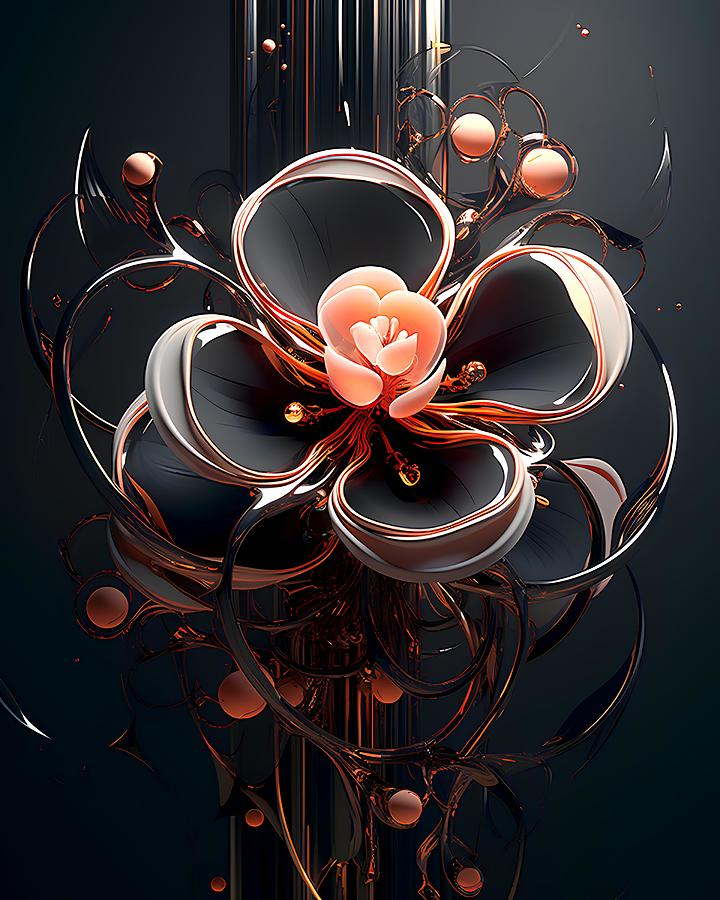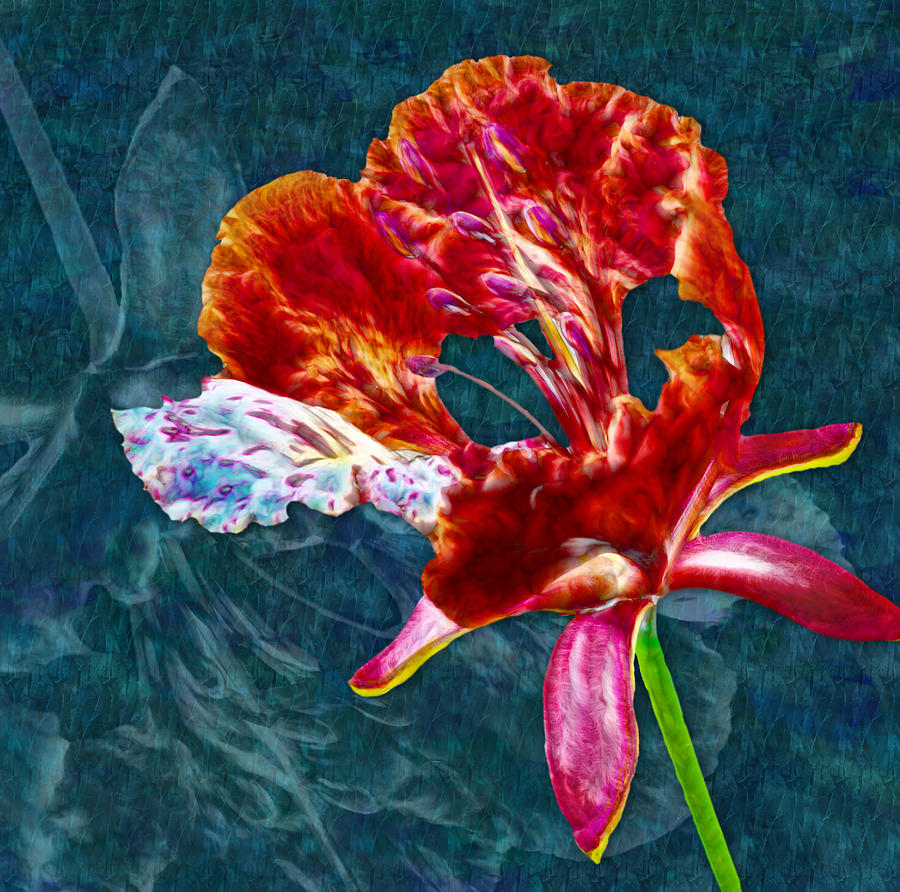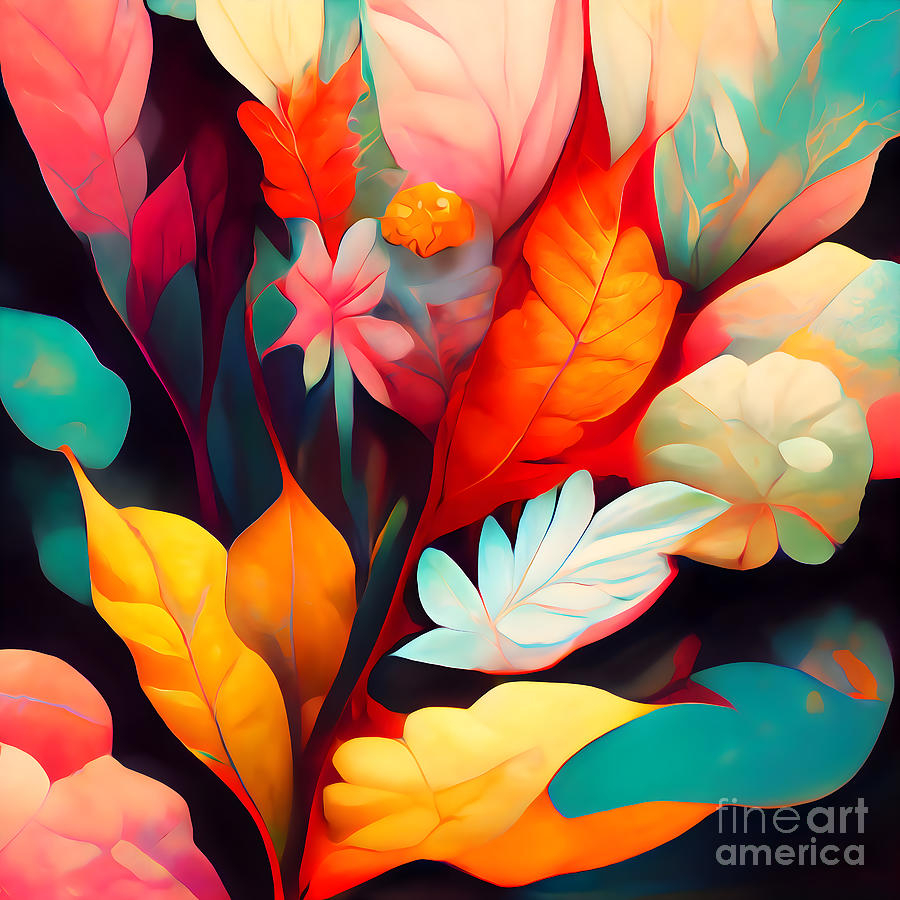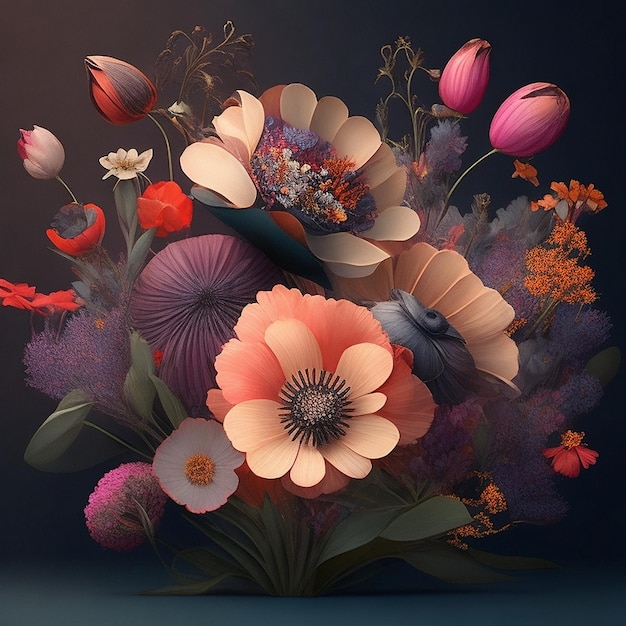
There’s something magical about flowers that transcends time and culture. Whether you’re sketching delicate petals or crafting intricate floral arrangements, digital art offers endless possibilities for bringing these natural wonders to life. From beginners to seasoned artists, everyone can learn how to create stunning flower pattern canvases using modern digital tools.
Flowers have always held a special place in human creativity. They represent growth, beauty, and the fleeting nature of life itself. In the digital age, artists can explore new ways to capture these qualities through canvas-based artwork. The combination of traditional artistic principles and modern digital techniques opens up a world of creative potential. Today, we’ll dive into the core methods and approaches that transform simple flower sketches into captivating digital masterpieces. Whether you’re starting fresh or looking to refine your existing skills, these techniques will help you develop a deeper understanding of how to craft beautiful flower pattern canvases.
Understanding Digital Canvas Fundamentals
Before diving into flower designs, it’s crucial to grasp the basics of digital canvas work. Unlike traditional mediums, digital canvases offer unique advantages like unlimited layers, easy color adjustments, and the ability to experiment without fear of ruining your artwork. Start by selecting appropriate canvas sizes – a 1920×1080 resolution works well for most digital projects, though larger canvases allow for more detailed work. Consider your software choices carefully. Programs like Photoshop, Procreate, or Clip Studio Paint each bring their own strengths to flower pattern creation. The key is finding a tool that feels comfortable and supports your artistic vision. Many artists find that experimenting with different brush types and settings helps them discover their preferred approach to digital flower rendering.
Mastering Brush Techniques for Natural Textures
The right brush strokes can make all the difference between a flat flower design and one that seems to bloom off the screen. Digital art allows you to simulate everything from soft petal textures to rough bark surfaces. Begin with basic brush settings like opacity and flow, adjusting them to match the natural characteristics of different flowers. For example, roses often benefit from soft, blended brush strokes that mimic the way light interacts with their layered petals. Tulips might require firmer strokes to show their distinct shape and structure. Practice with various brush types – some work better for outlining, others for filling in colors, and still others for adding subtle highlights and shadows. Don’t forget about pressure sensitivity if your device supports it. This feature allows your brush strokes to vary naturally based on how hard you press, creating more organic-looking results.
Color Theory in Digital Floral Art
Colors play a vital role in how flowers communicate emotion and meaning. Understanding color relationships helps create more impactful flower pattern canvases. Start with primary colors and learn how they blend to create secondary hues. For instance, mixing red and yellow creates orange, while blue and yellow form green. When working with flowers, consider the natural color variations within each species. A single rose might contain multiple shades of red, pink, and white, depending on its stage of bloom and lighting conditions. Digital tools make it easy to experiment with color combinations, but remember that too many bright colors can overwhelm viewers. Sometimes, muted tones create more harmony and visual appeal. Try using color theory principles like complementary colors (opposites on the color wheel) to make certain elements pop, or analogous colors (neighbors on the color wheel) for a more subtle, cohesive look.
Layering Strategies for Complex Flower Compositions
One of the greatest advantages of digital art is the ability to work with multiple layers. This technique becomes especially powerful when creating complex flower pattern canvases that combine several different blooms. Start with a base layer for your overall composition, then add individual flower elements on separate layers. This approach gives you complete control over each component, allowing you to adjust positioning, size, and blending without affecting other parts of your artwork. Think about how flowers interact in nature – some overlap, others stand out distinctly. Use layer modes like multiply or overlay to create natural shadow effects and depth. You can also create masks to selectively reveal or hide parts of your layers, giving you precise control over the final appearance. Building up your composition gradually ensures that each element contributes effectively to the whole.
Adding Depth and Dimension Through Lighting Effects
Great flower patterns don’t just look good – they feel real. Adding proper lighting and shadow effects brings your digital canvases to life. Consider the direction of your light source and how it affects each flower element. Soft, diffused lighting works well for delicate blossoms, while harsher shadows can emphasize the structure of more robust flowers. Experiment with different lighting scenarios – morning sun might create golden highlights, while evening light could produce deeper blues and purples. Digital tools make it easy to add realistic lighting effects through adjustment layers and gradient overlays. Try using a soft brush with low opacity to gently add highlights where light would naturally hit petals. Shadows should be softer and more diffuse than hard outlines, mimicking how light behaves in real-world conditions. These subtle touches can transform a simple flower design into a compelling visual experience.
Practical Tips for Creating Stunning Floral Patterns
Here are some actionable strategies that will immediately improve your flower pattern canvases:
• Start with simple shapes and build complexity gradually
• Study real flowers closely – observe how petals curve and overlap
• Use reference photos as guides but don’t copy exactly
• Don’t be afraid to simplify – sometimes less is more
• Work in stages rather than trying to complete everything at once
• Save your work frequently and keep backup versions
• Experiment with different digital brushes and textures
• Practice regularly with basic shapes before moving to complex designs
• Take breaks to step back and view your work from a distance
• Join online communities to share progress and get feedback
Advanced Techniques for Professional Results
Once you’ve mastered the fundamentals, you can explore more sophisticated approaches to digital flower art. Gradient maps can dramatically change the mood of your entire canvas, transforming a cheerful spring scene into something more mysterious or dramatic. Texture overlays add surface interest that makes flowers appear more tactile. Advanced layering techniques like smart objects and blend modes can create incredible depth and realism. Consider incorporating watercolor effects or oil painting styles to give your flowers a more traditional feel. Some artists even experiment with particle systems to create beautiful pollen effects or dew drops on petals. These advanced methods require practice but can significantly elevate the quality of your flower pattern canvases. The key is starting slowly and building up your skill set over time.
Troubleshooting Common Digital Art Challenges
Every artist encounters obstacles along their creative journey. Here are some typical problems and solutions when working on flower pattern canvases:
• Blurry or pixelated edges – use high-resolution canvases and adjust brush settings
• Color bleeding between layers – check layer modes and use masks properly
• Difficulty matching natural flower shapes – practice drawing basic forms first
• Unnatural color combinations – study color theory and use color palettes
• Overcomplicated compositions – simplify and focus on one main element
• Poor contrast – adjust brightness and contrast layers
• Inconsistent brush behavior – calibrate your tablet and update software
• Slow performance – close unnecessary programs and optimize settings
• Frustration with progress – remember that improvement takes time and patience
• Fear of making mistakes – embrace experimentation as part of learning
Inspiration Sources and Creative Development
Finding inspiration is half the battle in creating beautiful flower pattern canvases. Nature itself provides endless examples, but don’t limit yourself to just what you see outside. Look at historical botanical illustrations, contemporary digital art, or even fashion and textile patterns for ideas. Many successful artists maintain sketchbooks filled with quick observations and experiments. Online platforms like Pinterest and Instagram showcase diverse approaches to floral art. Consider how different cultures interpret flowers – Japanese ikebana focuses on minimal arrangements, while Victorian flower symbolism tells stories through color combinations. Keep a collection of favorite images and analyze what makes them appealing. Is it the color scheme? The composition? The emotional impact? Understanding these elements helps develop your personal style and approach to digital flower art.
Building Your Digital Flower Art Portfolio
Your portfolio serves as a visual representation of your growth and capabilities. Start by creating a series of related pieces that demonstrate your range and consistency. Include both simple and complex compositions to show versatility. Document your process by taking screenshots of your workflow or creating before/after comparisons. This not only helps you track progress but also provides valuable teaching material for others. Share your work on social media platforms and art communities to receive feedback and connect with fellow artists. Remember that building a strong portfolio takes time, so be patient with yourself. Quality matters more than quantity, so focus on creating your best work rather than rushing to fill pages. Your unique perspective and style will naturally emerge as you continue practicing and exploring different techniques.
Creating beautiful flower pattern canvases through digital art is both an art and a science. It combines technical skills with creative intuition, requiring patience and practice to master. The techniques discussed here provide a solid foundation for anyone looking to enhance their digital floral artwork. Remember that every expert was once a beginner, and every masterpiece started with a single brush stroke. The key lies in consistent practice, openness to learning, and maintaining that sense of wonder that flowers naturally inspire. Whether you’re creating a simple bouquet or an elaborate floral tapestry, these digital tools and methods offer unlimited opportunities for expression. So grab your stylus, open your favorite software, and let your creativity bloom on the digital canvas. The world needs more beautiful flower art, and you’re now equipped with the knowledge to create it.
[sps_html tag=”img” src=”https://cdn.theartssection.com/wp-content/uploads/2025/11/image-of-abstract-floral-digital-art-in-the-style-of-vray-tracing-8-in-blue-and-pink-flower-pattern-floral-digital-art-canvas-print.jpg” alt=”Image Of Abstract Floral Digital Art, In The Style Of Vray Tracing 8 … in "Blue And Pink Flower Pattern" Floral Digital Art Canvas Print” style=”width: 100%; height: auto;”]
[sps_html tag=”img” src=”https://cdn.theartssection.com/wp-content/uploads/2025/11/modern-floral-01a-digital-art-by-variance-collections-pixels-throughout-blue-and-pink-flower-pattern-floral-digital-art-canvas-print.jpg” alt=”Modern Floral - 01A Digital Art By Variance Collections - Pixels throughout "Blue And Pink Flower Pattern" Floral Digital Art Canvas Print” style=”width: 100%; height: auto;”]
[sps_html tag=”img” src=”https://cdn.theartssection.com/wp-content/uploads/2025/11/flower-no16-digital-art-by-jirka-svetlik-fine-art-america-regarding-the-evolution-of-floral-digital-art-from-traditional-to-modern-canvas-formats.jpg” alt=”Flower No16 Digital Art By Jirka Svetlik - Fine Art America regarding The Evolution of Floral Digital Art from Traditional to Modern Canvas Formats” style=”width: 100%; height: auto;”]
[sps_html tag=”img” src=”https://cdn.theartssection.com/wp-content/uploads/2025/11/image-of-abstract-floral-digital-art-in-the-style-of-vray-tracing-in-blue-and-pink-flower-pattern-floral-digital-art-canvas-print.jpg” alt=”Image Of Abstract Floral Digital Art, In The Style Of Vray Tracing … in "Blue And Pink Flower Pattern" Floral Digital Art Canvas Print” style=”width: 100%; height: auto;”]
[sps_html tag=”img” src=”https://cdn.theartssection.com/wp-content/uploads/2025/11/page-41-flower-digital-art-images-free-download-on-freepik-inside-blue-and-pink-flower-pattern-floral-digital-art-canvas-print.jpg” alt=”Page 41 | Flower Digital Art Images - Free Download On Freepik inside "Blue And Pink Flower Pattern" Floral Digital Art Canvas Print” style=”width: 100%; height: auto;”]