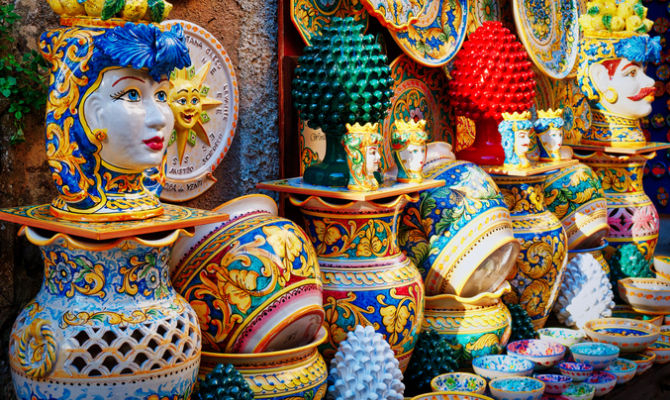
When you hold a piece of Sicilia Porcelain Gold Caress, you’re not just touching ceramic – you’re feeling centuries of tradition, skill, and artistic vision. This isn’t just another porcelain product; it’s a testament to the dedication of artisans who have perfected their craft over generations. What makes this particular porcelain so special? It’s not just about the material itself, but about how it’s shaped, fired, and adorned with gold that tells a story of cultural heritage and technical mastery.
Sicilia Porcelain Gold Caress represents more than just beautiful tableware or decorative objects. It embodies the rich cultural tapestry of Sicily, where ancient techniques meet modern aesthetics. The journey from raw clay to finished gold-accented porcelain involves multiple stages that require both patience and precision. Each piece tells a story of craftsmanship passed down through families, of workshops where master craftspeople guide apprentices, and of communities that have made porcelain their calling. The golden touches aren’t merely decorative – they represent the pinnacle of artistic expression in ceramics. Every brushstroke of gold, every careful application of glaze, reflects the deep understanding that these artisans possess about materials, fire, and form. What you see is the result of countless hours of training, experimentation, and dedication to perfection. These artisans don’t simply create objects – they create experiences that connect people to history, culture, and beauty.
The Foundation: Clay Selection and Preparation
The process begins long before any golden touches appear. Master craftsmen carefully select clay that meets specific criteria for purity and consistency. In Sicily, this often means sourcing materials from local deposits that have been used for centuries. The clay undergoes extensive preparation, including washing, sieving, and kneading to remove impurities and ensure uniform texture. This foundational step determines much of what happens later in the production process. Poor quality clay can ruin even the most skilled work, while exceptional clay provides the canvas upon which artistry flourishes. The preparation phase can take several days, depending on the quantity needed. Artisans must understand the clay’s behavior under different conditions, how it responds to moisture levels, and how it will behave during drying and firing. It’s a science and an art combined, requiring both technical knowledge and intuitive understanding.
Shaping and Forming Techniques
Once the clay is ready, the shaping process begins. Traditional Sicilian methods often involve hand-building techniques that have been refined over hundreds of years. Some pieces are thrown on wheels, creating perfectly symmetrical forms, while others are sculpted by hand using various tools and techniques. The choice depends on the desired final appearance and function. For Gold Caress pieces, artisans often prefer hand-forming because it allows for subtle variations and unique characteristics that mass-produced items cannot match. The forming process requires tremendous skill and experience. Even small mistakes can cause entire pieces to crack or warp during firing. Each artisan develops their own rhythm and method, building muscle memory through years of practice. The shaping stage is where creativity truly comes alive, as artisans visualize the final form while working with the clay. Sometimes, the process takes hours or even days, especially for more complex designs. The patience required at this stage reflects the respect these craftspeople have for their materials and their commitment to quality.
The Crucial Drying Process
After shaping, pieces must dry slowly and evenly to prevent cracking or warping. This might seem simple, but it’s actually one of the most challenging phases. Different thicknesses of clay dry at different rates, and environmental conditions like humidity and temperature affect this process significantly. Sicilian artisans have developed specific drying chambers or areas that provide controlled conditions for optimal results. Some pieces dry for days, others for weeks, depending on their size and complexity. The drying environment must be carefully monitored, with attention paid to airflow, temperature, and humidity levels. Too rapid drying causes stress in the clay, leading to breakage. Too slow and the pieces become unstable. Experienced craftspeople can judge the right moment to proceed based on visual cues and touch. They learn to recognize when clay has reached the proper moisture content through years of hands-on experience. This stage alone can determine whether a piece survives to become part of the final collection. Many pieces are lost during this phase, highlighting the importance of careful attention to detail.
The Firing Process and Temperature Control
The kiln firing stage is where the magic really happens. Sicilia Porcelain typically goes through multiple firing stages, each with specific temperatures and durations. The first firing, called bisque firing, occurs at around 900 degrees Celsius and removes all remaining moisture while beginning to vitrify the clay surface. This initial firing creates a stable base for subsequent processes. The second firing, often at higher temperatures, melts the glaze and fuses it with the porcelain surface. Temperature control during these firings requires constant monitoring and adjustment. Kilns must maintain precise temperatures, sometimes with fluctuations of just a few degrees. Even small variations can dramatically affect the final appearance and strength of the piece. The firing process can last anywhere from several hours to multiple days, depending on the size and complexity of the item. Skilled artisans understand that each piece reacts differently to heat, and they must adapt their approach accordingly. The atmosphere inside the kiln – whether oxidizing or reducing – also affects the final outcome. This stage demands both technical knowledge and intuitive understanding of how materials behave under extreme conditions.
Applying the Golden Accents
The hallmark of Sicilia Porcelain Gold Caress lies in its gold accents, which require extraordinary skill and patience to apply properly. Gold leaf is typically applied by hand using specialized brushes and techniques that have been perfected over generations. The process involves preparing the surface to accept the gold, applying the leaf with precision, and then burnishing it to achieve the desired shine. Some artisans use traditional methods involving mercury-based preparations, while others have adapted to modern alternatives that maintain safety standards. The timing is crucial – the gold must be applied when the surface is at the right temperature and condition. Too early and the gold may not adhere properly; too late and it could damage the piece. Each gold application is unique, as artisans often vary the thickness and placement to create individual character in each piece. Some designs feature delicate gold outlining, while others showcase broader applications that cover significant portions of the surface. The gold accents are not just decorative elements – they represent the pinnacle of artistic achievement in the craft.
Finishing and Quality Assessment
The final stages involve meticulous finishing and thorough quality checks. After the gold has been applied and dried, artisans perform final polishing and cleaning to remove any imperfections or excess materials. They examine each piece under various lighting conditions to ensure the gold appears consistent and the overall aesthetic meets standards. This inspection phase can reveal issues that weren’t visible earlier in the process. Minor flaws are corrected through careful touch-up work, while more serious problems may require starting over entirely. The quality assessment includes checking for structural integrity, proper glaze coverage, correct gold adhesion, and overall visual appeal. Each piece must pass multiple tests before it’s considered complete. Some artisans even develop personal signatures or marks that identify their work, adding authenticity and value to each creation. The finishing stage represents the final expression of the artisan’s vision, where all previous efforts coalesce into a completed masterpiece. This attention to detail ensures that every Gold Caress piece meets the high standards expected by collectors and enthusiasts.
Sicilia Porcelain Gold Caress stands as a remarkable example of how traditional craftsmanship can thrive in the modern world. Every aspect of its creation reflects centuries of accumulated knowledge and artistic evolution. From the careful selection of raw materials to the final gold accent application, each step requires skill, patience, and deep respect for the craft. These artisans don’t simply produce goods – they create heirlooms that carry forward cultural traditions and artistic excellence. The golden touches on these pieces represent more than decoration; they symbolize the dedication and passion that goes into every single item. When someone holds a Gold Caress piece, they’re experiencing the culmination of technical expertise, artistic vision, and cultural heritage. This is why such craftsmanship continues to captivate people worldwide, offering them a tangible connection to centuries of human creativity and skill. The story behind each piece is as important as the piece itself, making Sicilia Porcelain Gold Caress not just an object but a narrative of human achievement and beauty.
[sps_html tag=”img” src=”https://cdn.theartssection.com/wp-content/uploads/2025/11/a-short-guide-of-the-italian-tradition-of-ceramics-italy-magazine-with-regard-to-sicilia-porcelain-gold-caress.jpg” alt=”A Short Guide Of The Italian Tradition Of Ceramics | Italy Magazine with regard to Sicilia Porcelain Gold Caress” style=”width: 100%; height: auto;”]
[sps_html tag=”img” src=”https://cdn.theartssection.com/wp-content/uploads/2025/11/sicilia-lisola-delle-ceramiche-piu-prestigiose-with-the-cultural-significance-of-sicilia-porcelain-gold-caress-in-italian-craftsmanship.jpg” alt=”Sicilia, L'isola Delle Ceramiche Più Prestigiose with The Cultural Significance of Sicilia Porcelain Gold Caress in Italian Craftsmanship” style=”width: 100%; height: auto;”]
[sps_html tag=”img” src=”https://cdn.theartssection.com/wp-content/uploads/2025/11/a-short-guide-of-the-italian-tradition-of-ceramics-italy-magazine-with-the-cultural-significance-of-sicilia-porcelain-gold-caress-in-italian-craftsmanship.jpg” alt=”A Short Guide Of The Italian Tradition Of Ceramics | Italy Magazine with The Cultural Significance of Sicilia Porcelain Gold Caress in Italian Craftsmanship” style=”width: 100%; height: auto;”]
[sps_html tag=”img” src=”https://cdn.theartssection.com/wp-content/uploads/2025/11/pin-di-elizabeth-correa-su-pottery-sicilia-arte-ceramica-dipinta-a-mano-inside-the-cultural-significance-of-sicilia-porcelain-gold-caress-in-italian-craftsmanship.jpg” alt=”Pin Di Elizabeth Correa Su Pottery | Sicilia, Arte, Ceramica Dipinta A Mano inside The Cultural Significance of Sicilia Porcelain Gold Caress in Italian Craftsmanship” style=”width: 100%; height: auto;”]
[sps_html tag=”img” src=”https://cdn.theartssection.com/wp-content/uploads/2025/11/the-sicilian-human-head-planter-trend-palermo-street-food-for-the-cultural-significance-of-sicilia-porcelain-gold-caress-in-italian-craftsmanship.jpg” alt=”The Sicilian Human Head Planter Trend — Palermo Street Food for The Cultural Significance of Sicilia Porcelain Gold Caress in Italian Craftsmanship” style=”width: 100%; height: auto;”]