Have you ever stood in front of an old painting and felt like it was breathing. That magic is very real when you look at the legendary floral works created during the spring of 1890. People today still flock to galleries just to catch a glimpse of these vibrant botanical scenes.
Art trends come and go in the modern world. Yet, certain creations refuse to fade away into obscurity. The famous painted bouquets of spring blossoms continue to pull in crowds and spark endless conversations. Let us dive into why these floral canvases still hold such a powerful grip on our imagination.
The Backstory of Creation
Vincent painted these striking works right near the end of his stay at a hospital in Saint-Rémy. He wanted to capture the fierce energy of nature before moving on to a new chapter. Working with great speed, he laid down thick strokes of paint that felt alive. Every single brushstroke carried a deep emotional weight that speaks directly to anyone viewing it today.
Instead of painting dull subjects, he chose common garden flowers bursting with personality. The blooms are packed tightly into simple earthenware vases. This creates a wonderful sense of urgency and movement. You can almost feel the fresh air of the French countryside radiating off the canvas.
A Bold Study in Color
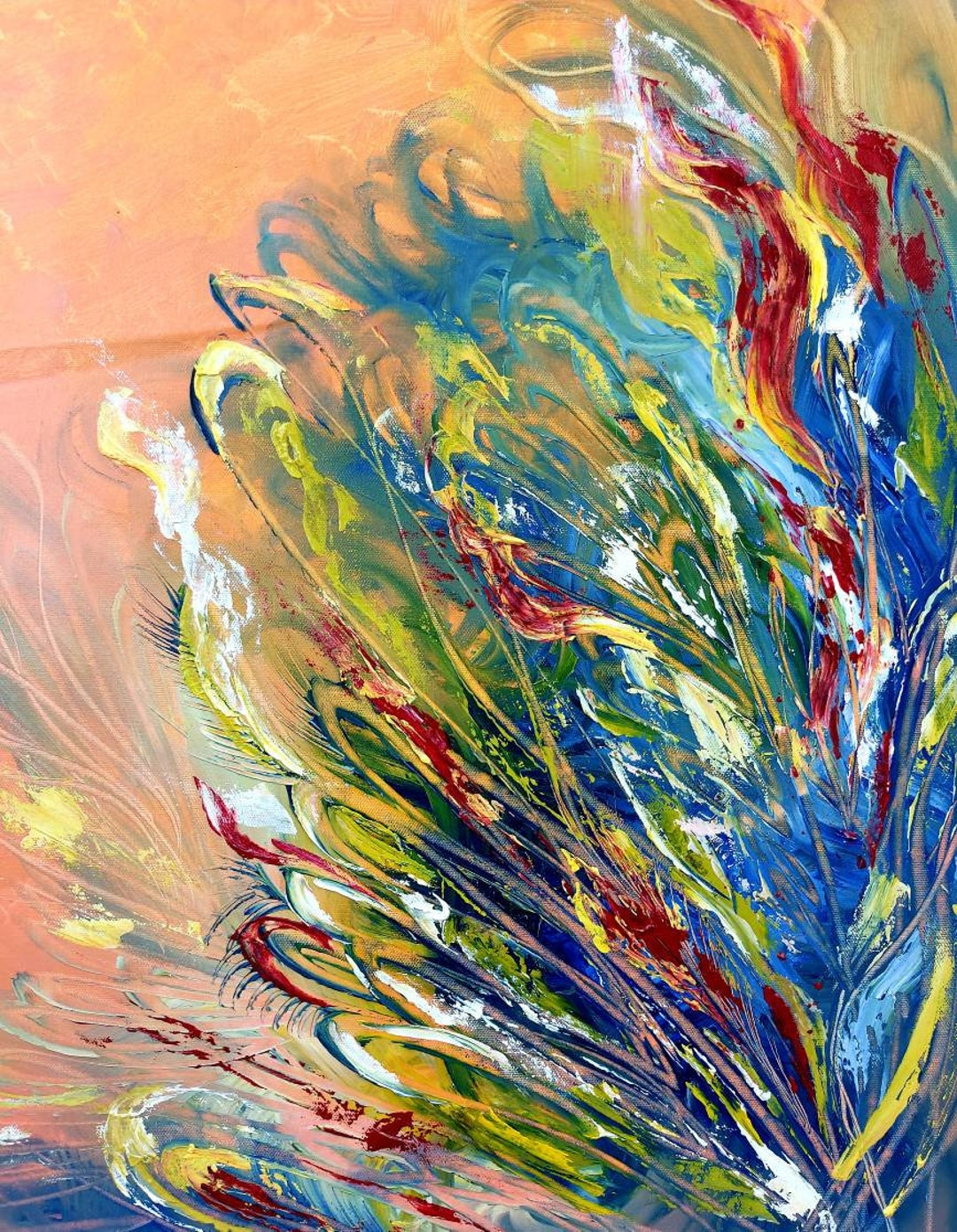
Color was always a major obsession for the artist. In these specific pieces, he experimented heavily with contrasting hues to make the shapes pop. By setting violet blossoms against bright lemon backgrounds, he achieved an intense visual punch. These choices were daring for the time and still feel fresh today.
Over the decades, chemical changes have actually altered some of the original shades. Red pigments faded away, shifting purples into soft blues. Even with these natural changes, the overall harmony remains intact. Modern viewers still marvel at how well the contrasting tones balance each other out.
Connection to Nature and Healing
For the creator, going outside to sketch plants was a form of daily therapy. Nature offered him a quiet space to heal his troubled mind. That deep sense of peace translates directly into the finished artwork. When people look at the twisting stems and lush leaves, they often feel a comforting sense of calm.
In our fast-paced digital era of 2026, finding that kind of grounded connection is rare. Museumgoers often spend long moments just absorbing the quiet energy of the brushwork. It reminds us of the simple beauty found in a humble garden bouquet.
Global Journey and Exhibition History
These magnificent pieces have traveled a long way across the globe. After changing hands through various private collections and historical trials, they found permanent homes in major cultural institutions. Reuniting these related floral compositions for special exhibitions always draws massive international attention.
Seeing them displayed together allows fans to understand the grand vision behind the series. Each canvas acts as a puzzle piece completing a larger story about the artist’s final months. Historians continue to study their provenance with great fascination.
Influence on Modern Culture and Design
The impact of these botanical masterpieces stretches far beyond traditional museum walls. Today, you can spot the iconic patterns on everything from fashion apparel to home decor items. Designers love borrowing the famous color palettes to bring a touch of classic elegance into everyday products.
This widespread visibility helps introduce younger generations to classical art. People who might never visit a traditional gallery still recognize the swirling floral motifs instantly. It proves that great art can easily cross boundaries between high culture and daily life.
Looking at these painted flowers offers a unique window into human resilience. Even during periods of immense personal struggle, the creator managed to produce works of stunning beauty. That juxtaposition of inner turmoil and outward grace touches people on a deeply emotional level.
We live in complicated times, and finding genuine expressions of human feeling matters more than ever. These floral arrangements do not try to be overly complex. They simply present raw emotion through color and texture, connecting hearts across centuries.
These timeless botanical paintings remain popular because they speak a universal language of emotion and color. They remind us to slow down and appreciate the simple things around us. As we look at them today, we share the exact same wonder that people felt generations ago.