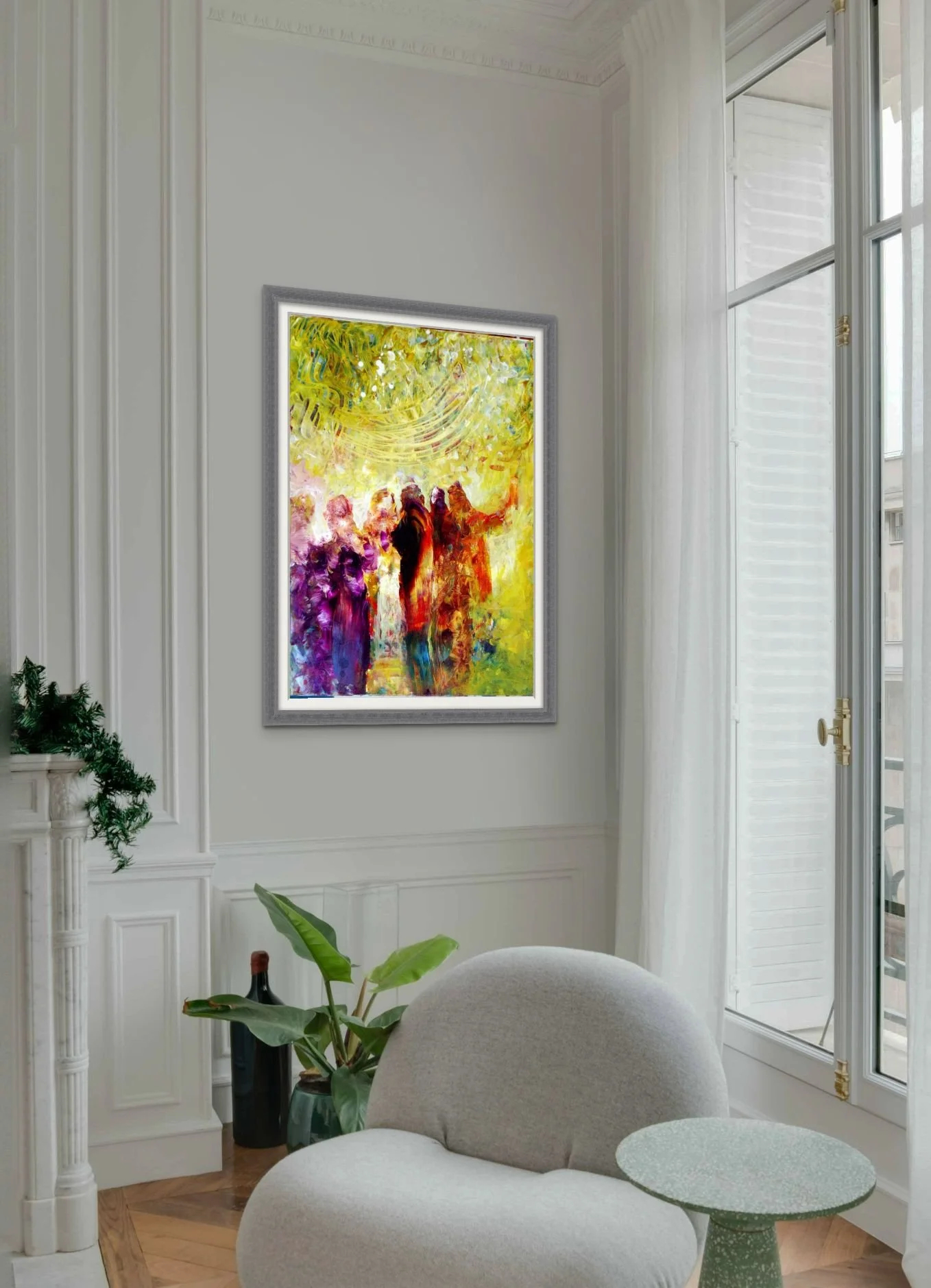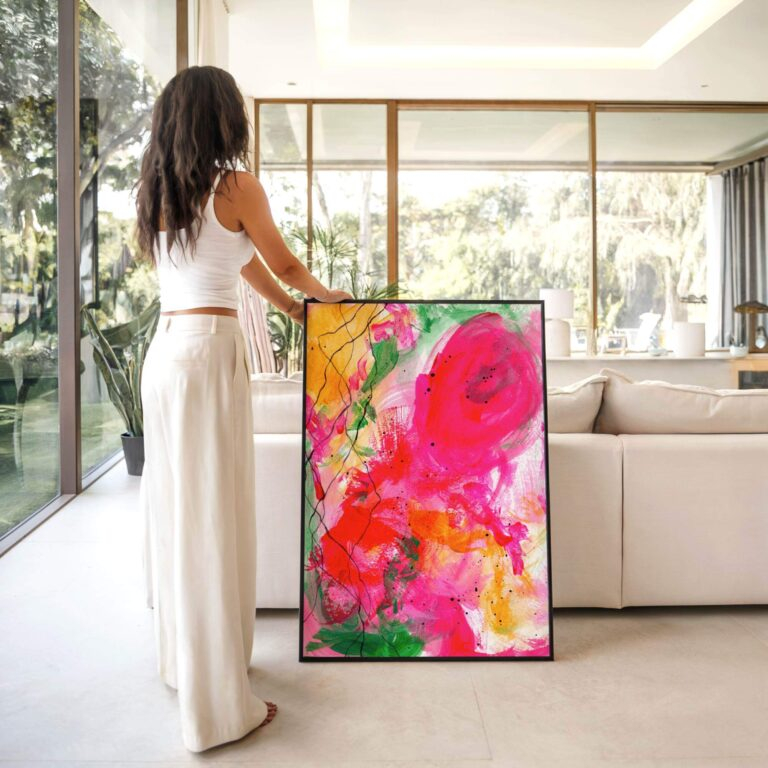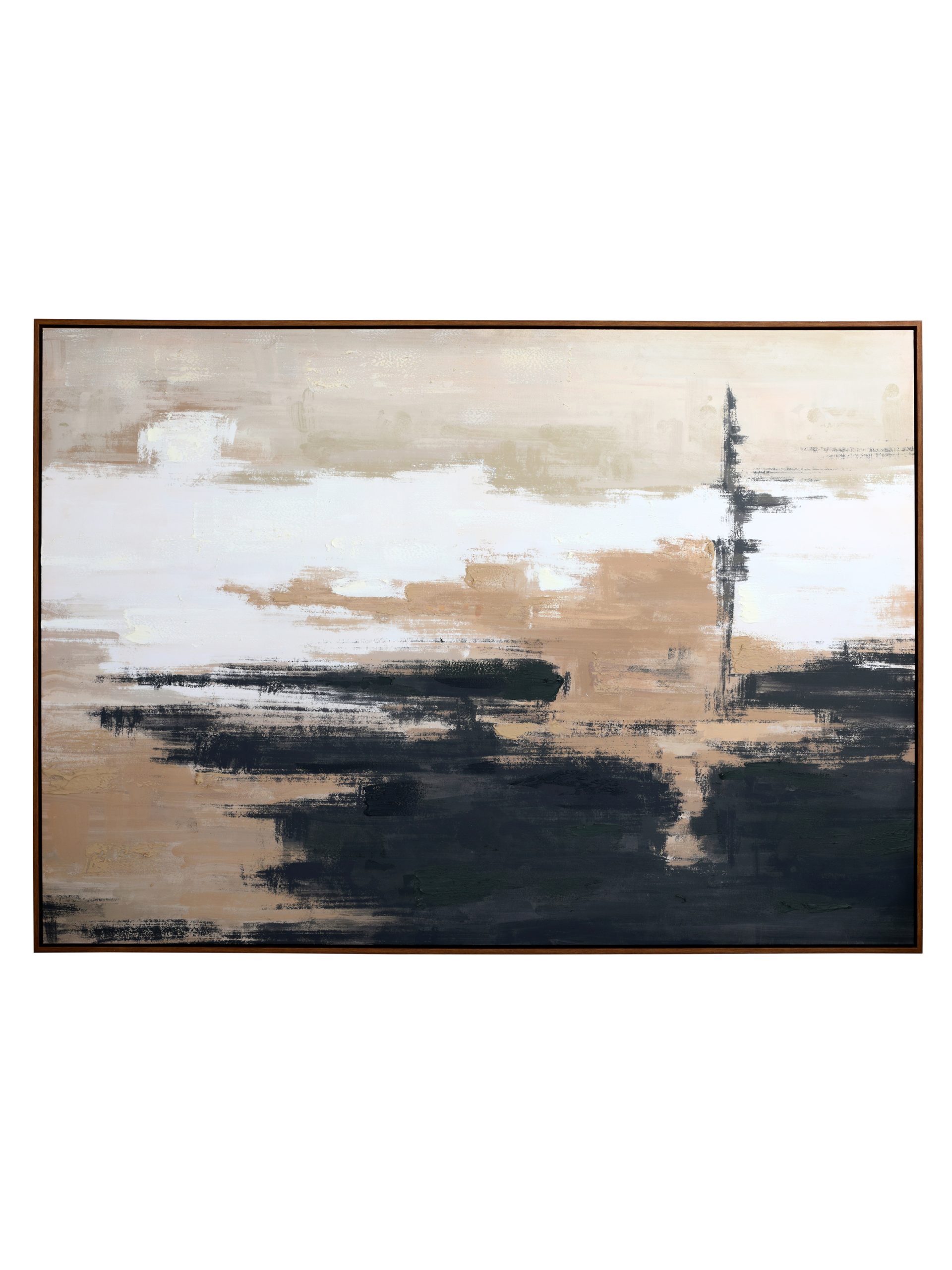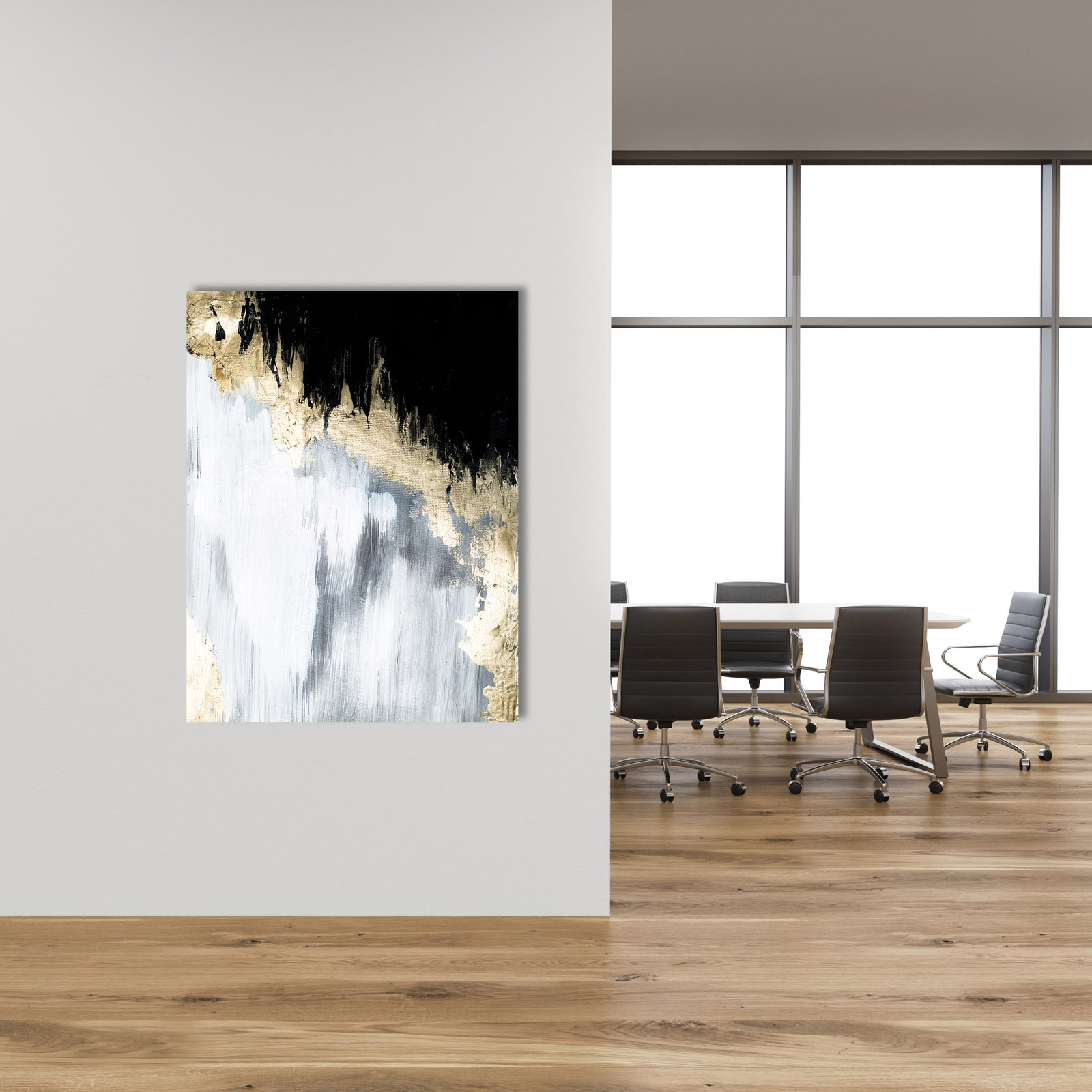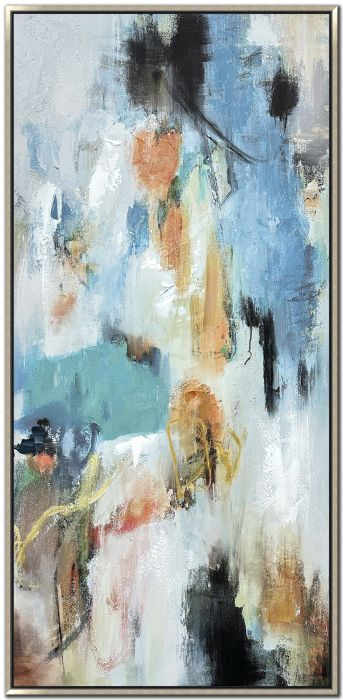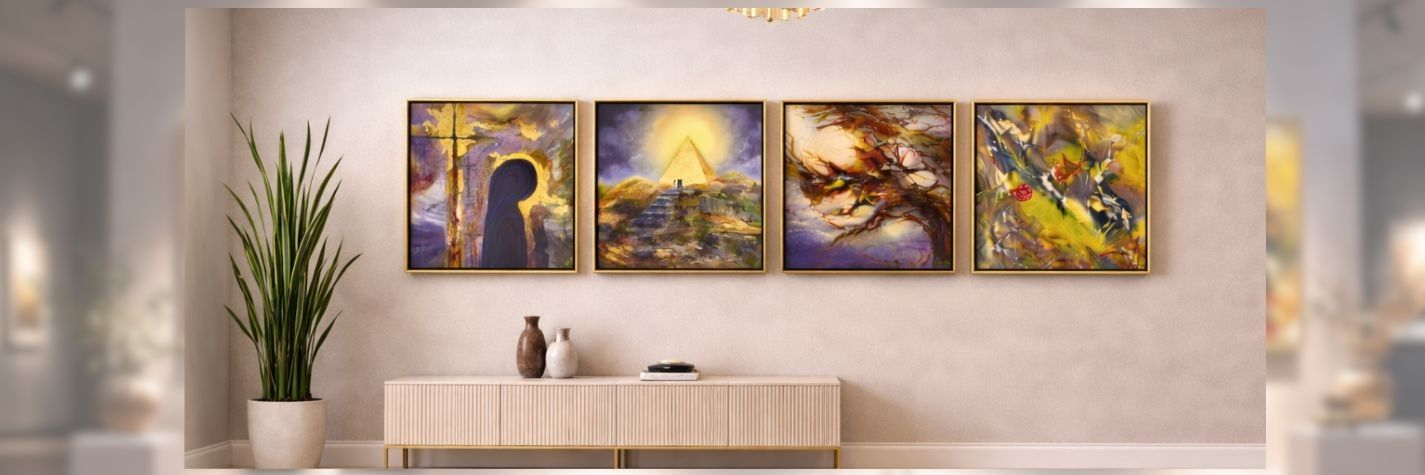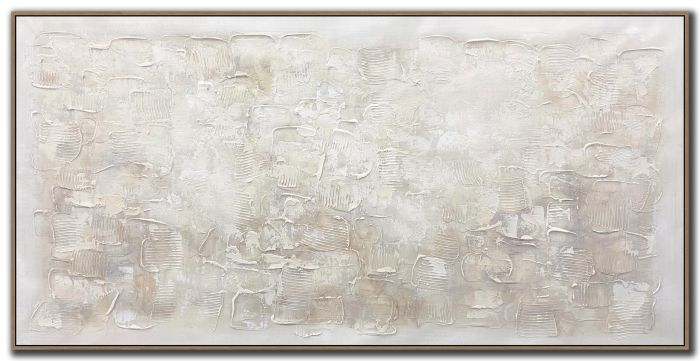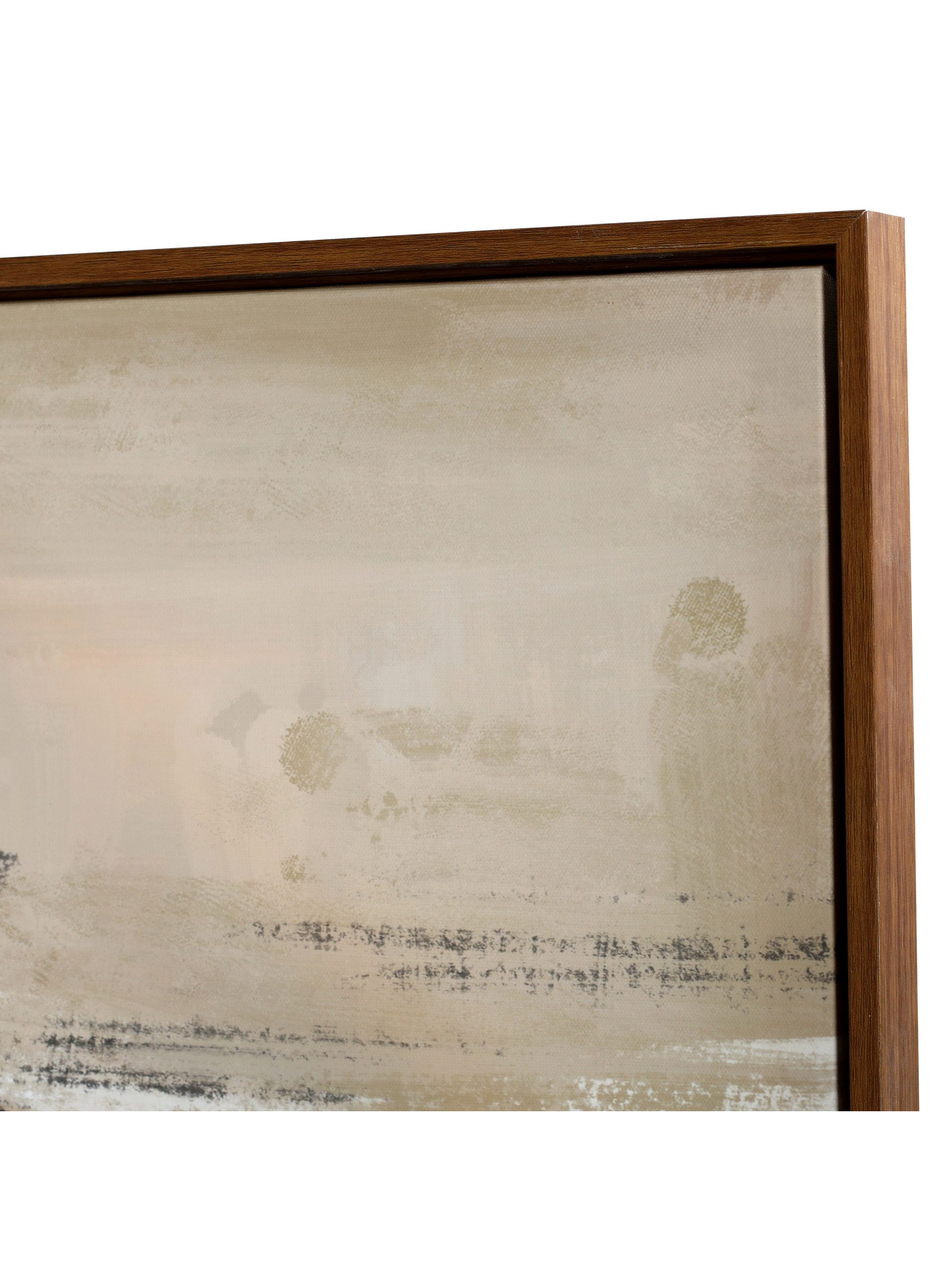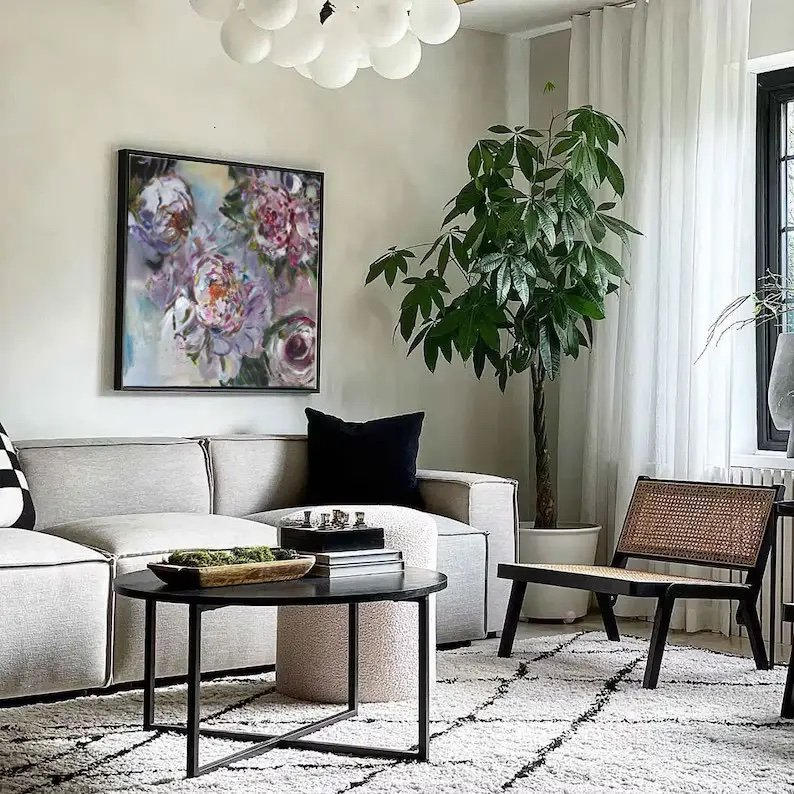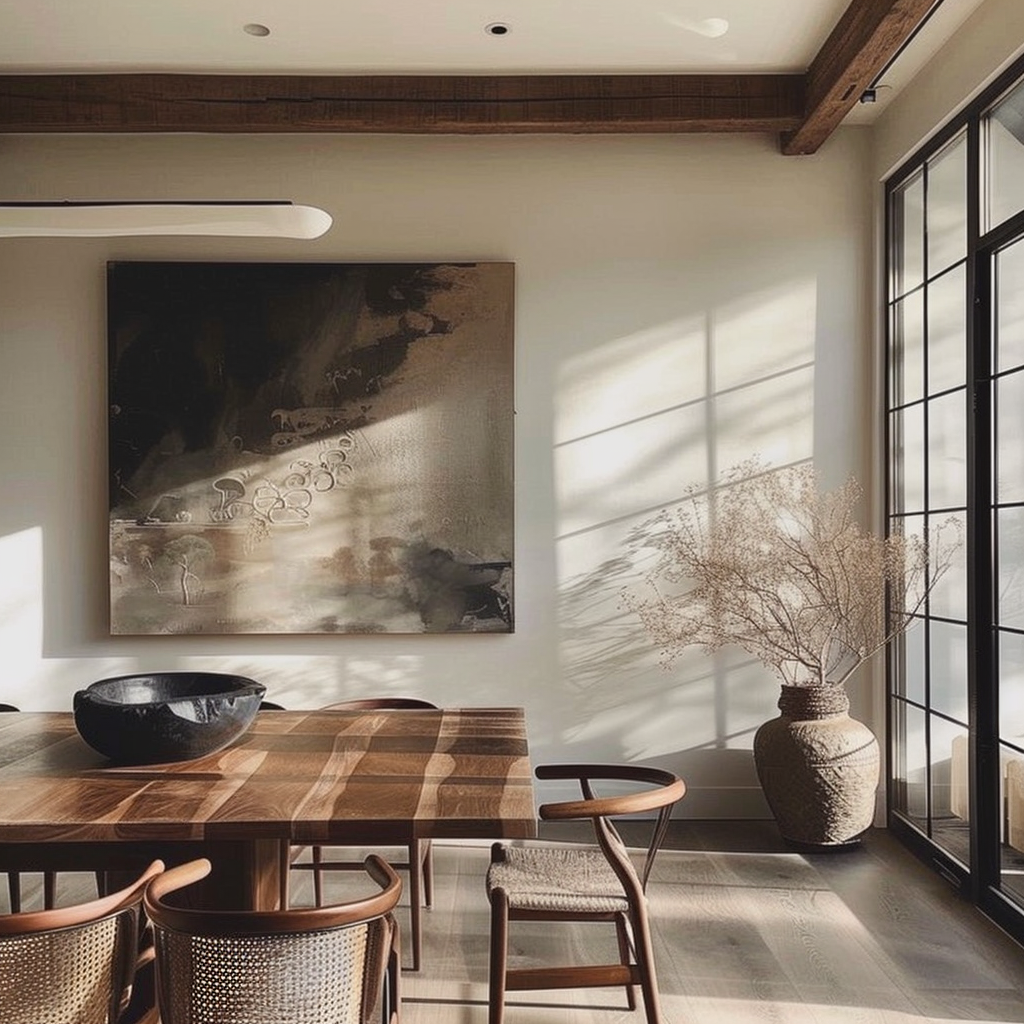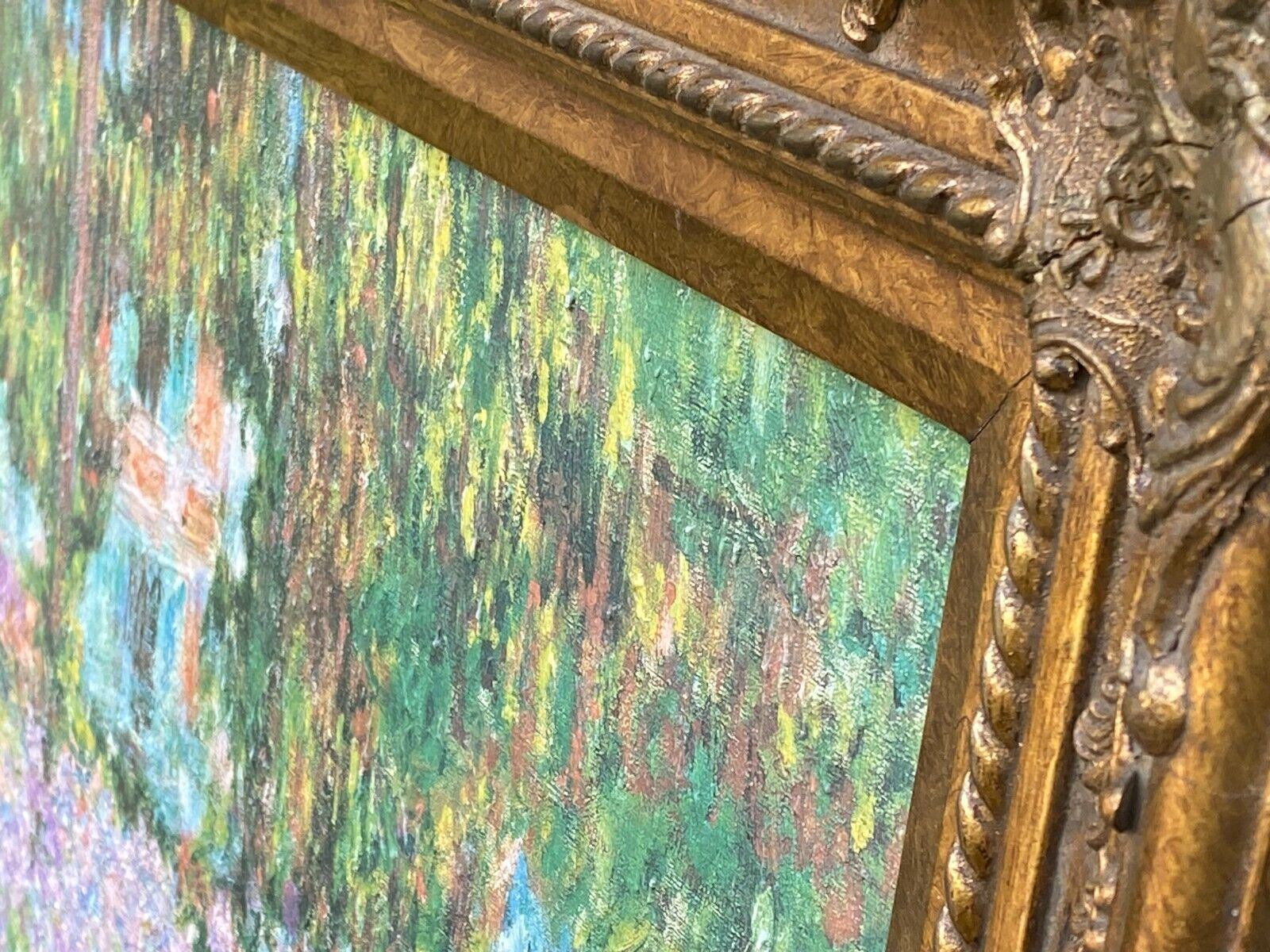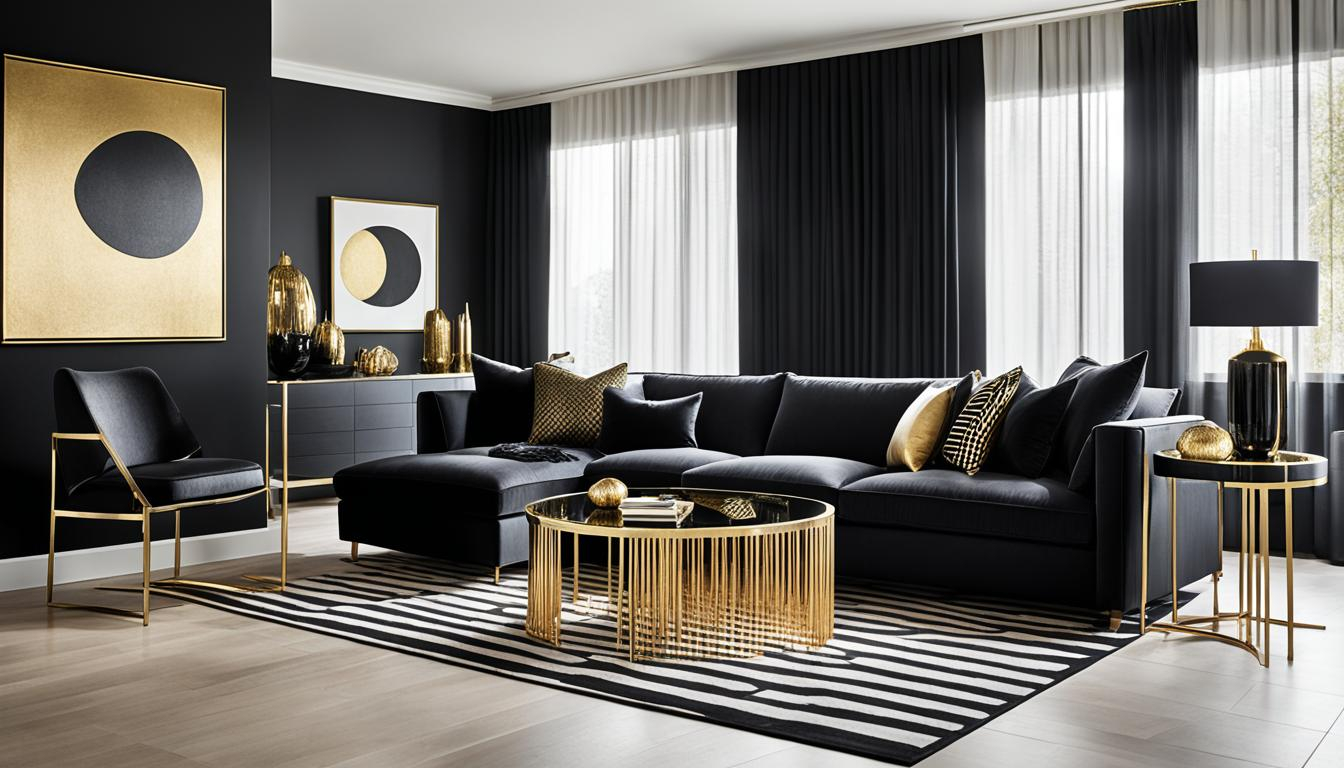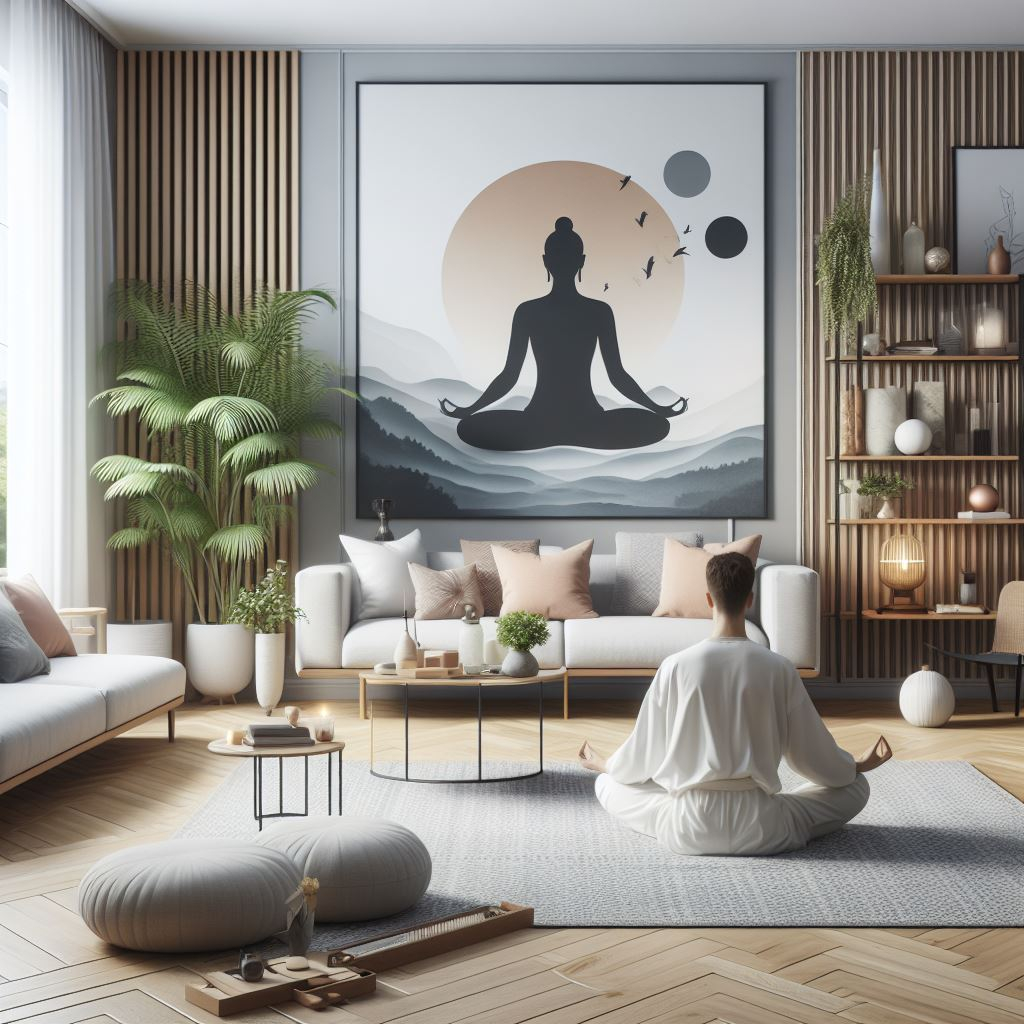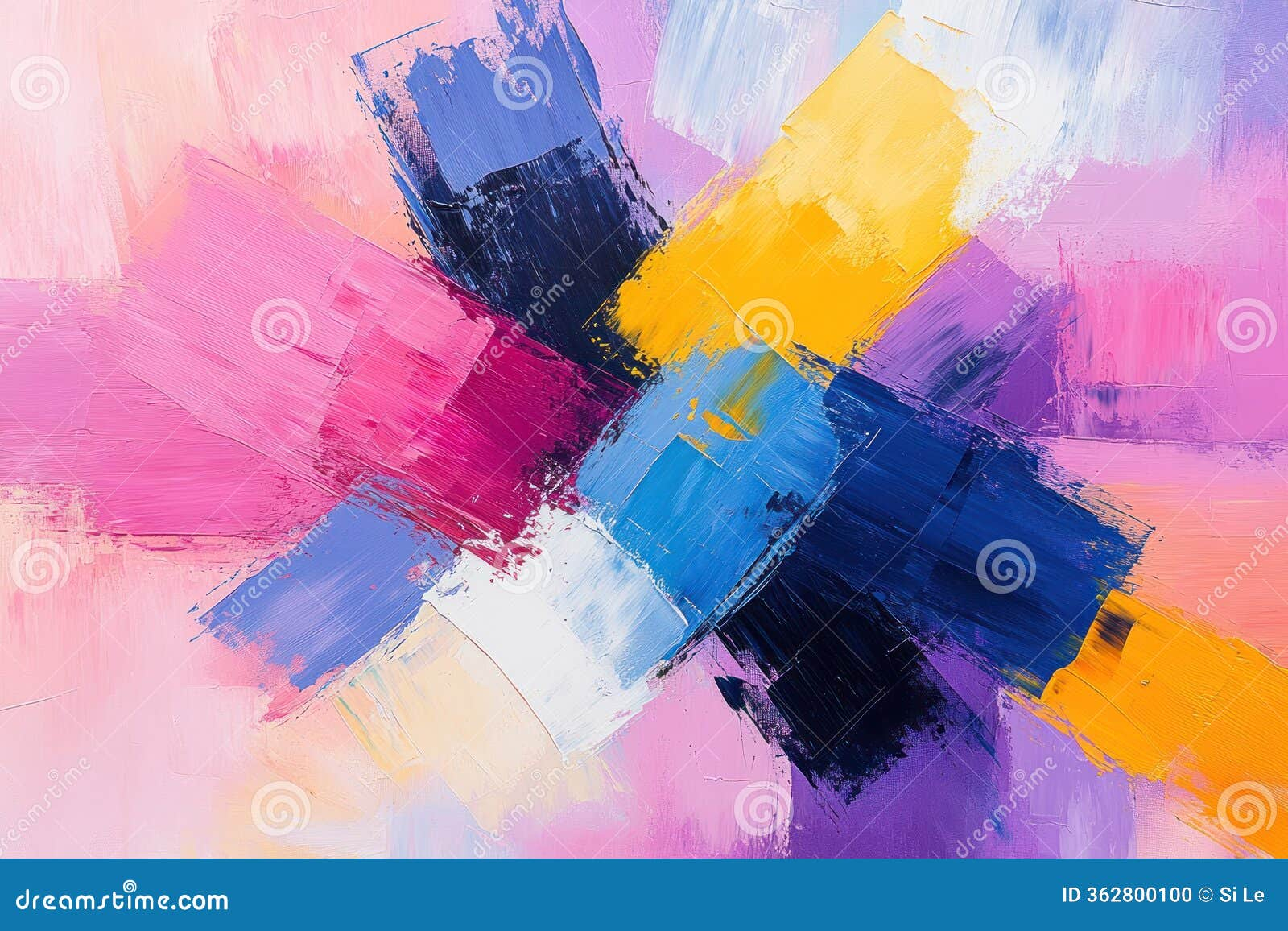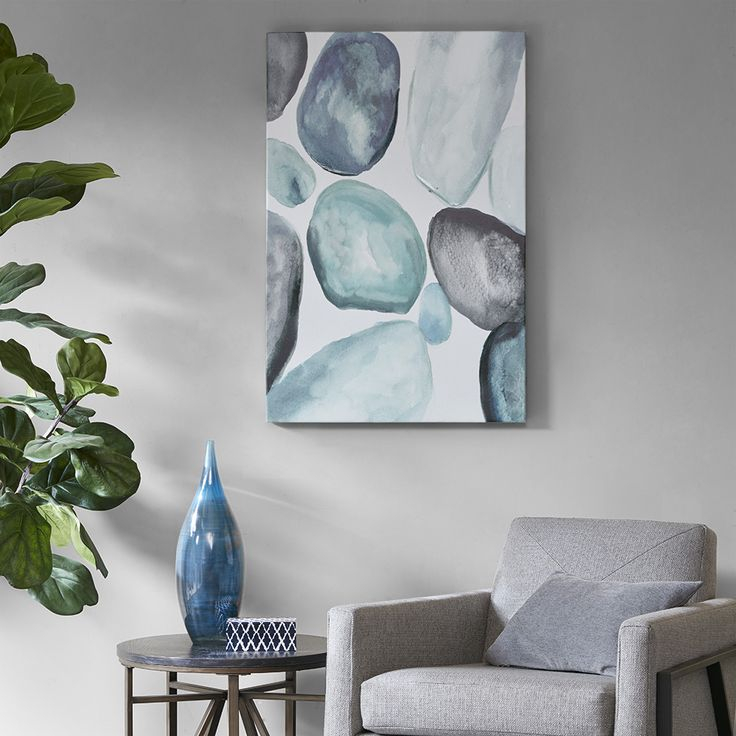
The afternoon sun cuts diagonally across a whitewashed living room wall, illuminating a canvas that, at first glance, appears to be a field of calm, monolithic gray. Yet, as the daylight shifts through the window, a hidden topography comes alive. A raised ridge catches a sharp glint of light; a hand-worked sweep of heavy-body acrylic casts a long, velvety shadow across the surface. This is not a flat, mass-produced digital print shipped in a mailing tube. It is a living, breathing landscape of polymer and pigment, catching the exact rhythm of the room.
For years, minimalist interior design walked a tightrope between elegant restraint and sterile emptiness. Clean lines, neutral palettes, and unadorned surfaces ruled the architectural world, but a quiet fatigue set in. Homeowners and designers realized that absolute flatness lacks a pulse. As we navigate through 2026, the design paradigm has experienced a profound course correction. The era of cold, unfeeling minimalism has yielded to a warmer, more tactile philosophy—one where restraint meets rich, physical craftsmanship.
At the center of this evolution sits hand-embellished acrylic textures, bridging the gap between minimalist architecture and human emotion. This aesthetic shift is not merely about piling paint onto a canvas. It represents a fundamental craving for authenticity in an overwhelmingly automated environment. When a room features restrained furniture and quiet architectural finishes, a flat piece of wall art struggles to hold the space. It falls flat, literally and figuratively. Introduce a canvas built with dimensional acrylic gels, sculpted ridges, and visible artist brushwork, however, and the dynamic of the entire room shifts. The art becomes a focal point that interacts with the architecture rather than just hanging on it.
The Anatomy of Tactile Minimalism: Moving Beyond Flat Surfaces
Minimalism was never meant to feel like a hospital ward, though it often ended up there. The foundational goal of minimalist design is to reduce visual clutter so that the mind can rest. However, absolute lack of texture deprives the human eye of essential visual cues. In 2026, the interior design conversation centers heavily on "tactile texture" acting as a substitute for chaotic color palettes. When walls are kept clean and color schemes remain restrained to warm ivories, bone, and muted earth tones, the texture of the art carries the entire emotional weight of the room.
Hand-embellished acrylic textures achieve this by adding physical dimension—often ranging from a few millimeters to several centimeters of raised relief—onto the canvas. Acrylic polymer is uniquely suited for this work because of its structural versatility. Unlike traditional oil paints that can take weeks to dry and risk sagging when applied thickly, heavy-body acrylics and modeling pastes can be whipped, troweled, palette-knifed, and sculpted into sharp ridges or soft undulating dunes. When an artist takes a print or a base painting and manually layers acrylic mediums over it by hand, they introduce a distinct human signature. No two strokes are identical. No shadow falls the exact same way twice.
This physical variation is what separates gallery-grade textured art from factory-produced decor. The interaction between light and shadow on a raised acrylic surface creates an ever-changing visual experience throughout the day. In the harsh glare of noon, the texture is crisp and architectural. In the soft amber glow of evening lamps, the shadows lengthen, imparting a meditative, wabi-sabi quality to the space. This continuous transformation keeps minimalist rooms from feeling static or museum-like, infusing them with an organic vitality that flat surfaces simply cannot replicate.
Why 2026 Interiors Demand Dimension: Psychology and Sensory Design
The rapid acceleration of digital life has triggered a powerful counter-movement in interior architecture: sensory grounding. People spend hours staring at completely flat, backlit glass screens. Returning home means craving physical reality, weight, warmth, and imperfection. This psychological shift explains why 3D textured wall art, plaster finishes, and hand-worked canvases are dominating contemporary home design guides. The environment must soothe the nervous system, and texture is the primary vehicle for that sensory calibration.
When designing a wellness-focused or high-end residential interior, designers deliberately curate materials that engage multiple senses, even from a distance. A hand-embellished acrylic painting speaks directly to the tactile imagination. Even without touching it, the human brain registers the weight of the impasto stroke, the sweep of the palette knife, and the resistance of the medium. This creates a subconscious sense of comfort and grounding. In rooms characterized by hard surfaces—polished concrete floors, steel-framed glass doors, and smooth leather sofas—a heavily textured canvas acts as a crucial acoustic and visual softening agent.
Furthermore, the rise of specialized multi-sensory home elements, such as acoustic-backed textured panels, proves that art must now perform multiple duties. Brands and independent studios are engineering canvases that not only provide stunning visual relief but also absorb high-frequency sound waves in open-plan living spaces. Hand-embellished acrylic layers play a vital role here, as the varied density and irregular surface topography help diffuse sound waves far better than stretched fabric or flat panels. Art is no longer just something you look at; it is an active participant in the acoustic and emotional climate of the home.
The Professional Artistry Behind Hand-Embellished Acrylics
Achieving a truly transformative piece of wall art requires an intimate understanding of medium physics, structural integrity, and spatial composition. There is a vast chasm between amateur DIY canvas texturing—often marked by heavy, cracking plaster or chaotic globs of glue—and professional, gallery-grade acrylic embellishment. The professional process begins with a rigorous foundation, often utilizing heavy-duty cotton duck or Belgian linen stretched over kiln-dried pine stretcher bars capable of supporting significant physical weight without warping.
The creation of the texture itself is a multi-stage architectural endeavor. Artists frequently combine acrylic polymer emulsions with marble dust, pumice, or fine silica sands to alter the weight, drying time, and absorbency of the medium. Once the base structure is cured, the hand-embellished phase begins. This is where the artist uses specialized trowels, silicone wedges, fan brushes, and sculpting tools to carve out ridges, valleys, and linear fields across the composition.
- Step 1 (Surface Priming & Foundation): The raw canvas is treated with archival-grade gesso and structural paste to ensure the heavy acrylic layers adhere permanently without pulling or degrading the fabric over time.
- Step 2 (Structural Buildup & Sculpting): Heavy-body acrylic mediums and modeling pastes are hand-applied using palette knives and architectural tools to establish the primary topographical relief and focal points of the composition.
- Step 3 (Curing & Environmental Stabilization): The piece is allowed to cure in a temperature-controlled studio environment for several days to prevent surface cracking, ensuring the thickest impasto sections dry evenly from the inside out.
- Step 4 (Hand-Embellished Layering & Glazing): The artist introduces nuanced color glazes, metallic high-lights, or matte pigment washes directly over the dried texture, accentuating the raised contours and creating depth.
- Step 5 (Archival Sealing & UV Protection): A final, non-yellowing UV-resistant varnish or polymer topcoat is applied to protect the textured surface from dust accumulation and environmental degradation while maintaining the intended sheen level.
Avoiding Common Pitfalls in Textured Art Selection and Placement
Integrating dimensional art into a minimalist interior requires strategic precision. Because hand-embellished acrylic textures carry significant visual weight and physical presence, introducing them incorrectly can overwhelm a carefully balanced room or lead to long-term preservation issues. Navigating these design challenges requires an understanding of both spatial dynamics and material science.
- Pitfall 1 (Ignoring Directional Lighting): Placing a highly textured canvas on a dark wall away from natural or focused light sources flattens its visual impact. Always position hand-embellished art where raking light—such as sunlight from a side window or a dedicated art spotlight angled at 30 to 45 degrees—can cast dynamic shadows across the surface.
- Pitfall 2 (Choosing DIY Improvised Materials): Using unrated household spackle, school glue, or non-archival fillers to create texture leads to yellowing, severe cracking, and eventual flaking as the canvas expands and contracts with seasonal humidity changes. Always verify that professional acrylic modeling pastes and flexible polymer binders were used.
- Pitfall 3 (Overcrowding the Wall Space): Pairing heavy 3D art with cluttered gallery walls or competing decorative objects defeats the point of minimalist restraint. Allow breathing room around the canvas; negative space is what allows the texture to command the room effectively.
- Pitfall 4 (Neglecting Dust Maintenance): Deep ridges and heavy impasto strokes naturally collect ambient household dust over time. Avoid harsh chemical cleaners or abrasive scrubbing; instead, use a clean, dry artist’s fan brush or a low-pressure canned air duster to gently sweep debris from the crevices.
- Pitfall 5 (Ignoring Scale and Weight Ratios): Hanging a massive, heavily weighted acrylic sculpture on standard drywall without proper heavy-duty anchors or stud mounting risks structural failure. Ensure proper French cleat mounting systems are utilized to safely distribute the physical weight of the artwork.
The Broader Cultural and Economic Shift Toward Handcrafted Authenticity
The surging demand for hand-embellished acrylic textures reflects a broader cultural exhaustion with mass-produced, algorithmic perfection. For the past decade, digital printing technology made it cheap and effortless to reproduce any famous painting or graphic design on demand. Yet, that very abundance stripped wall decor of its soulful value. When art can be instantly duplicated by a machine in millions of identical copies, it ceases to hold narrative power.
This realization has reshaped the high-end art and interior design market. Collectors and homeowners are increasingly willing to invest in pieces that bear the distinct imperfections of human creation. Hand-embellished art sits in a brilliant sweet spot: it leverages the efficiency and crisp visual clarity of modern printing or foundational painting techniques while relying entirely on human hands to finish, carve, and elevate each individual piece. This hybrid approach ensures that no two homes share the exact same wall expression.
Economically, this trend has empowered independent artists, specialized studios, and artisan workshops that prioritize craftsmanship over mass output. Consumers are shifting their budgets away from disposable, trend-chasing decor items toward heirloom-quality statement pieces designed to last decades. A well-constructed canvas featuring archival acrylic polymers on a sturdy wooden frame does not degrade; it ages gracefully, acquiring a patina of light and memory within the household. In an era defined by fast consumerism, investing in slow, tactile art is an act of quiet rebellion.
Strategic Frameworks for Curating Textural Art in Modern Homes
Bringing hand-embellished acrylic textures into your living space requires more than simply finding a canvas that matches your sofa color. Because texture introduces an entirely new dimension of light and shadow, curation must be approached with architectural intent. The following framework helps homeowners and designers build a cohesive, visually compelling narrative across different rooms.
Start by auditing the natural light sources in your target space. Rooms facing north receive cool, indirect light, which can make heavy textures look stark or uninviting unless balanced with warmer undertones in the acrylic glaze or surrounding interior lighting. Conversely, south-facing rooms flood spaces with warm, shifting sunlight that brings out the most subtle variations in palette-knifed reliefs. Match the intensity of the art’s topography to the room’s light profile: deep, dramatic impasto for bright, sunlit living areas, and softer, undulating plaster-like finishes for intimate bedrooms or reading nooks.
Next, consider material dialogue. Minimalist interiors rely heavily on textures found in architectural finishes—travertine tabletops, boucle upholstery, lime-washed walls, and raw oak flooring. The textured art should converse with these elements without directly copying them. If your furniture features heavy, nubby weaves, a smoother, linear acrylic texture on the wall provides a sophisticated counterpoint. If your surfaces are sleek and polished concrete or glass, a heavily sculpted, organic canvas introduces the necessary organic contrast to warm up the room.
Finally, think in terms of focal hierarchy. In a minimalist home, less is always more powerful. Rather than scattering small textured pieces across every available wall, dedicate one primary wall to a large-scale, hand-embellished statement canvas. Let that piece anchor the room, allowing the surrounding walls to remain quiet and uncluttered. This deliberate curation transforms the art from mere decoration into a profound architectural anchor.
The transformation of minimalist wall art through hand-embellished acrylic textures is much more than a fleeting design fad. It represents a deeper human desire to bring soul, warmth, and physical presence back into our built environments. As our daily lives become increasingly digitized, our living spaces must serve as sanctuaries of tactile reality—places where light, shadow, and human craftsmanship intersect.
By moving away from flat, lifeless prints and embracing the rich topography of hand-worked acrylics, we elevate our interiors from simple living spaces into deeply personal galleries of emotion. The raised ridge, the sweeping palette knife stroke, and the play of afternoon shadows remind us that imperfection is art, and that true luxury lies in the touch of the human hand.