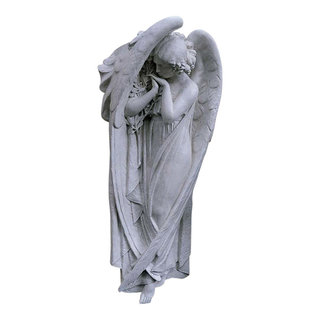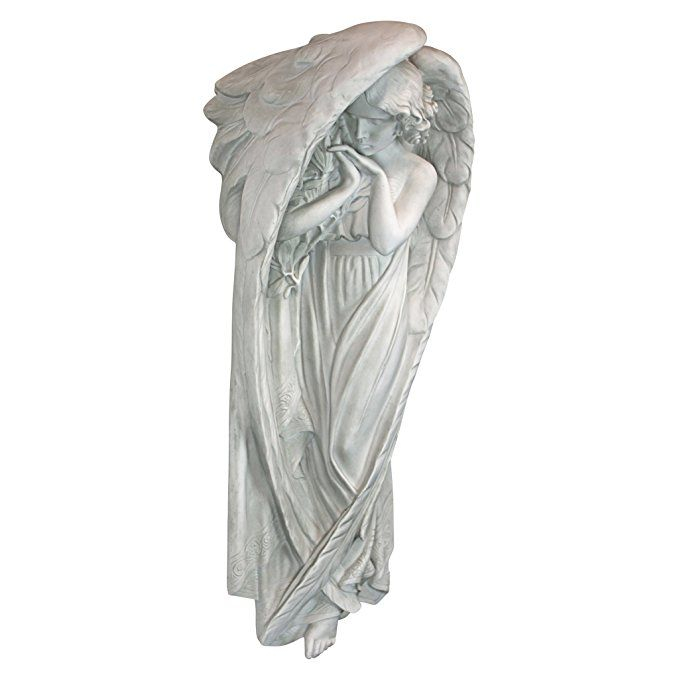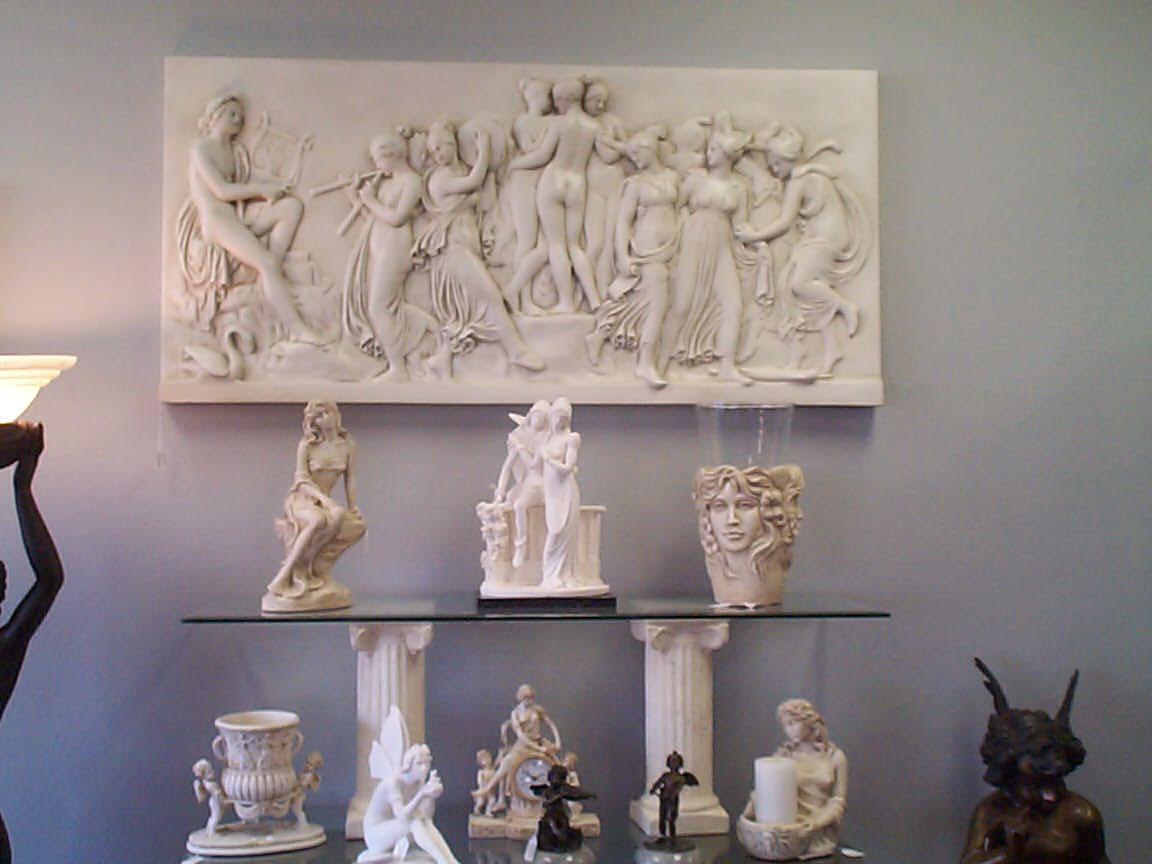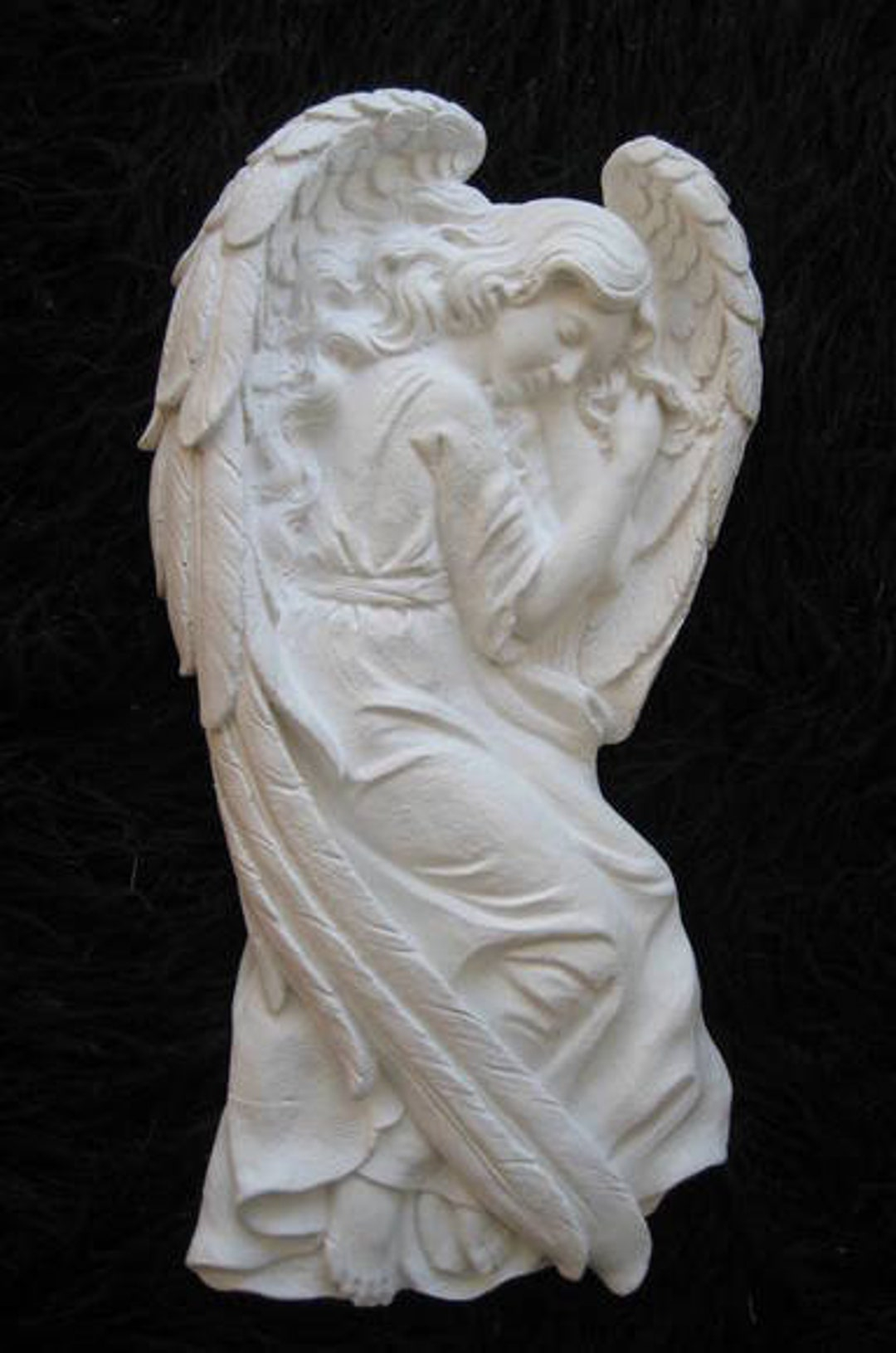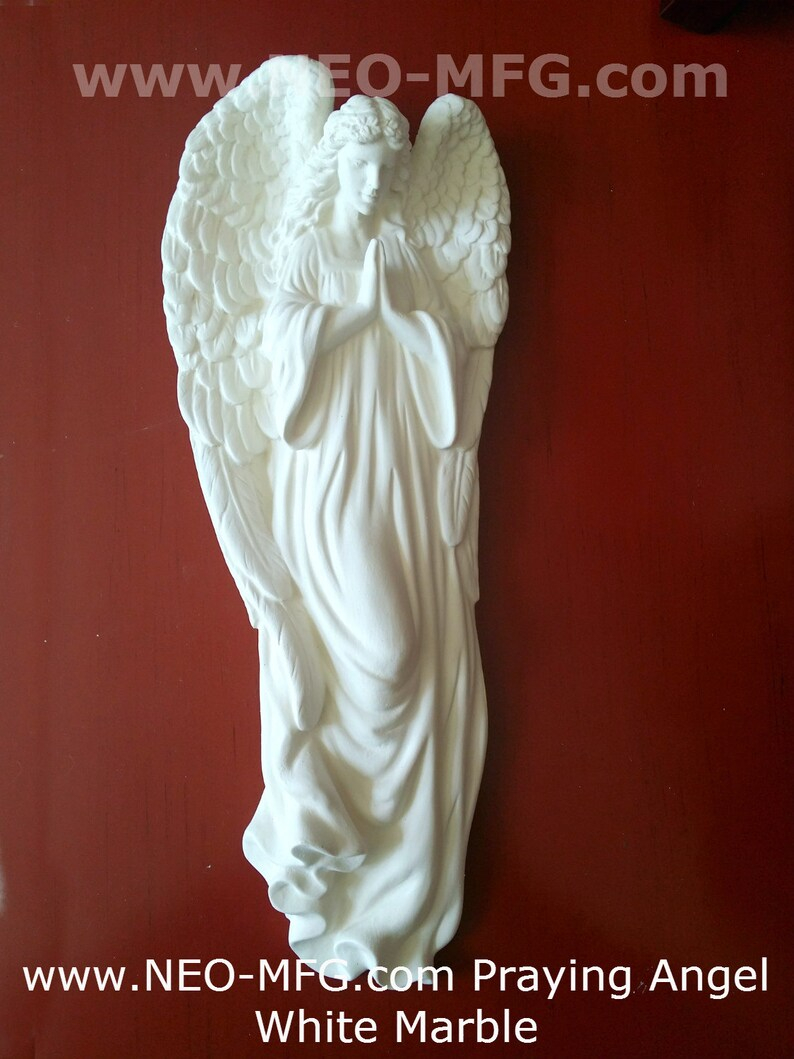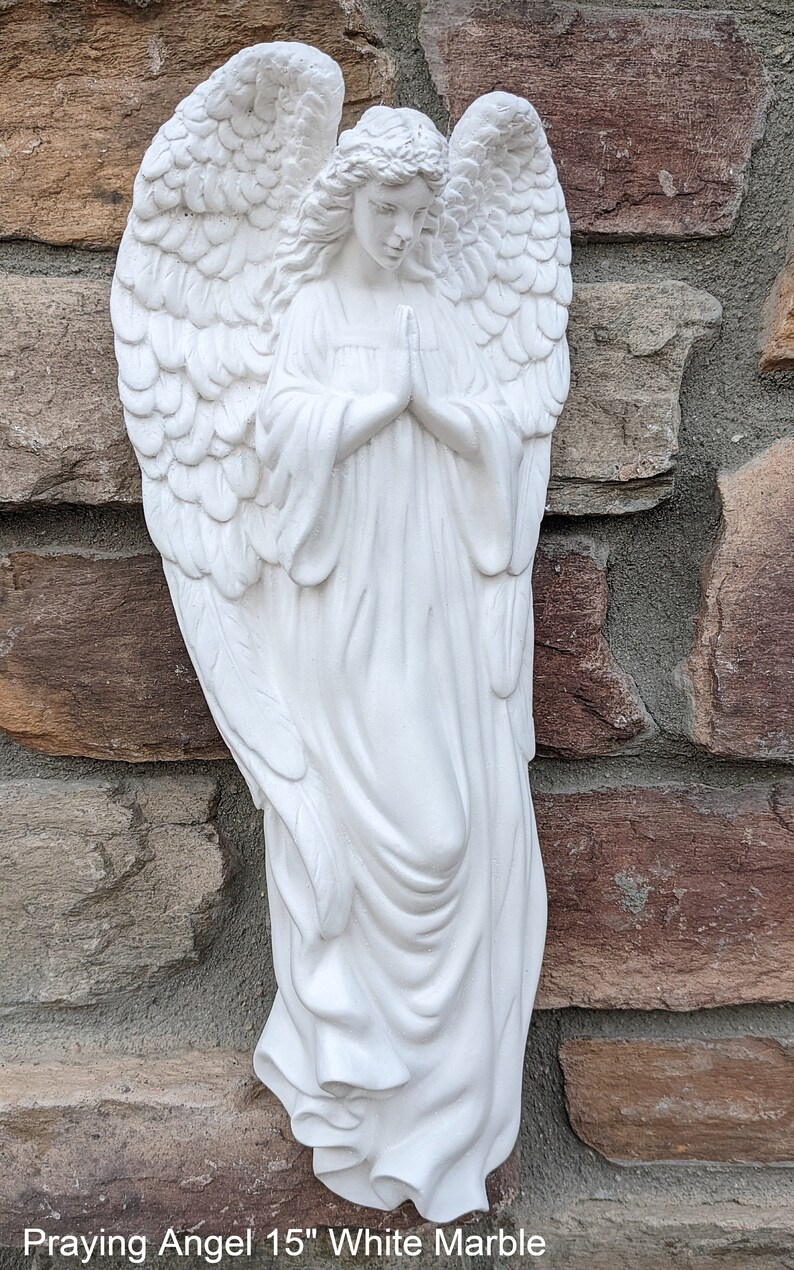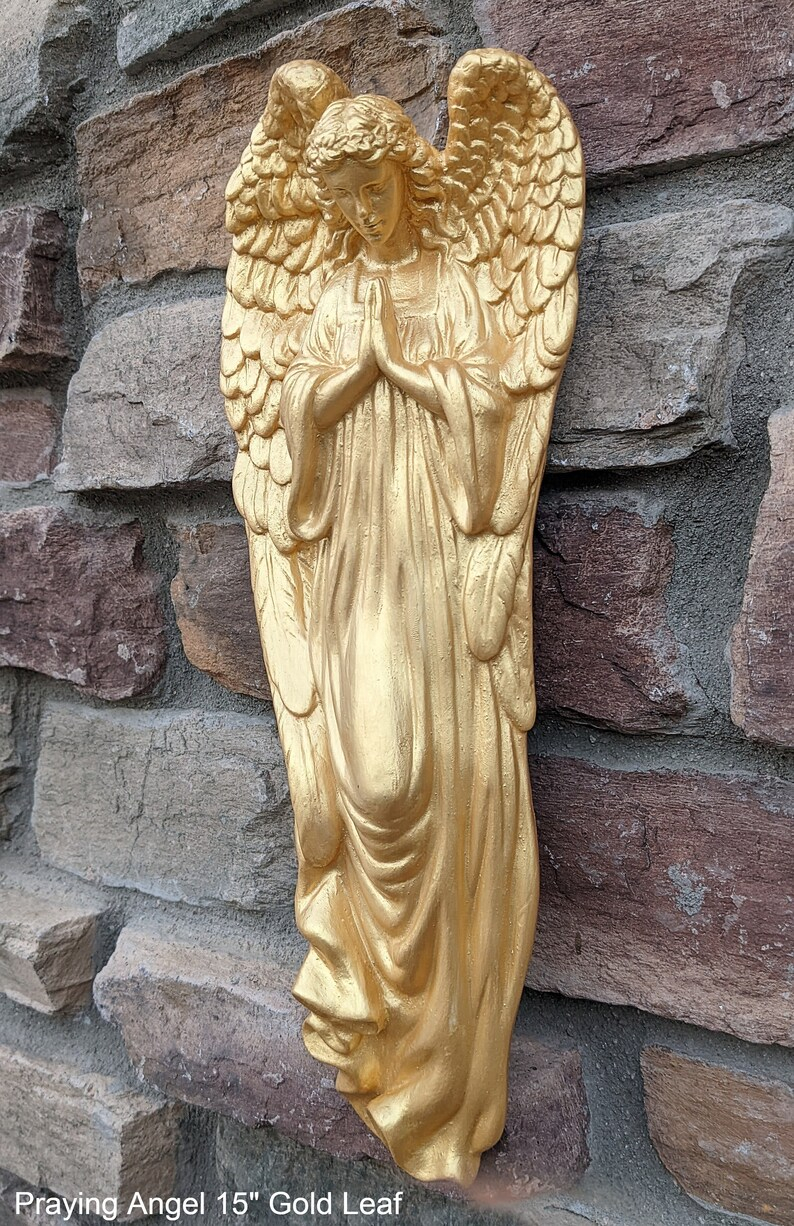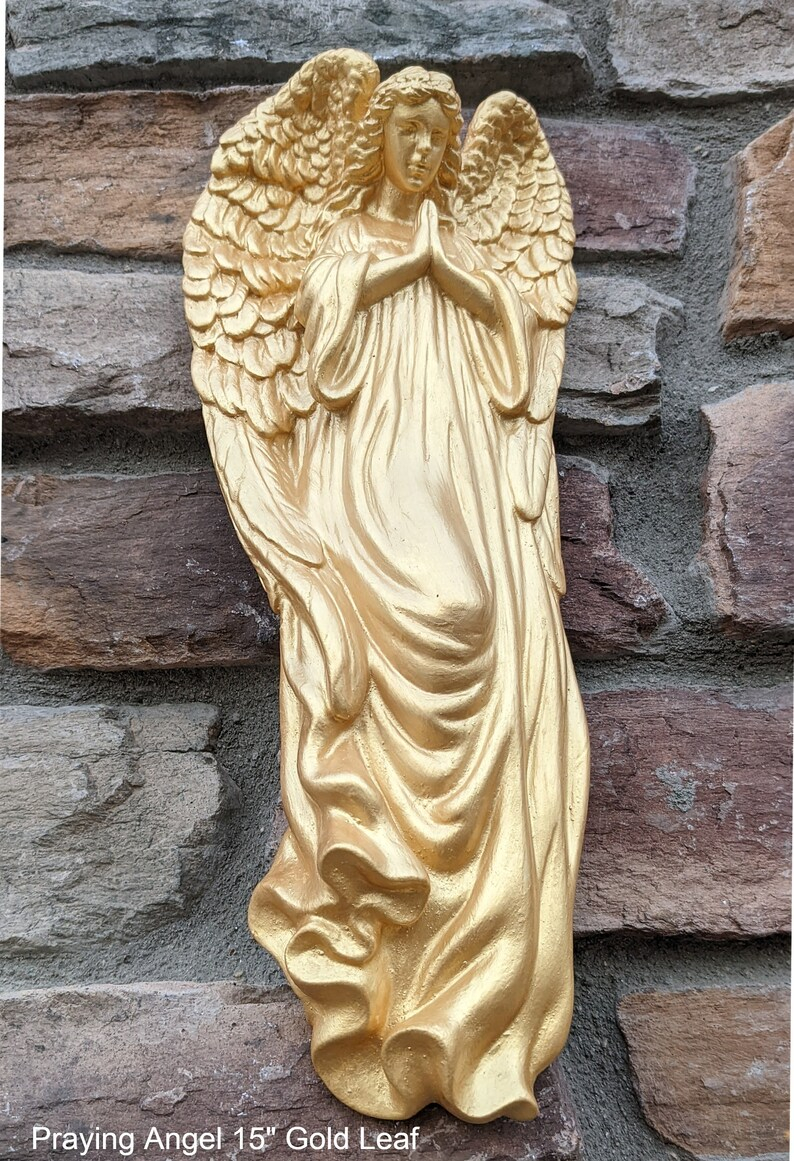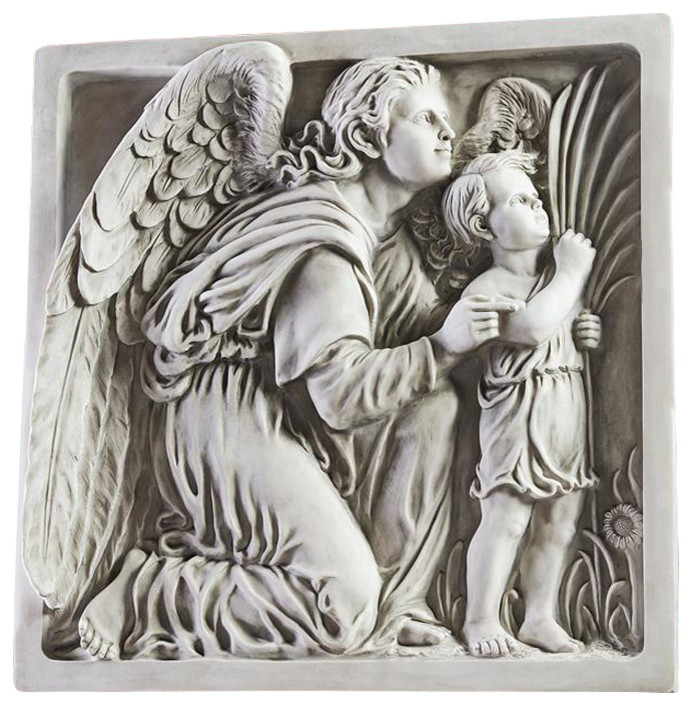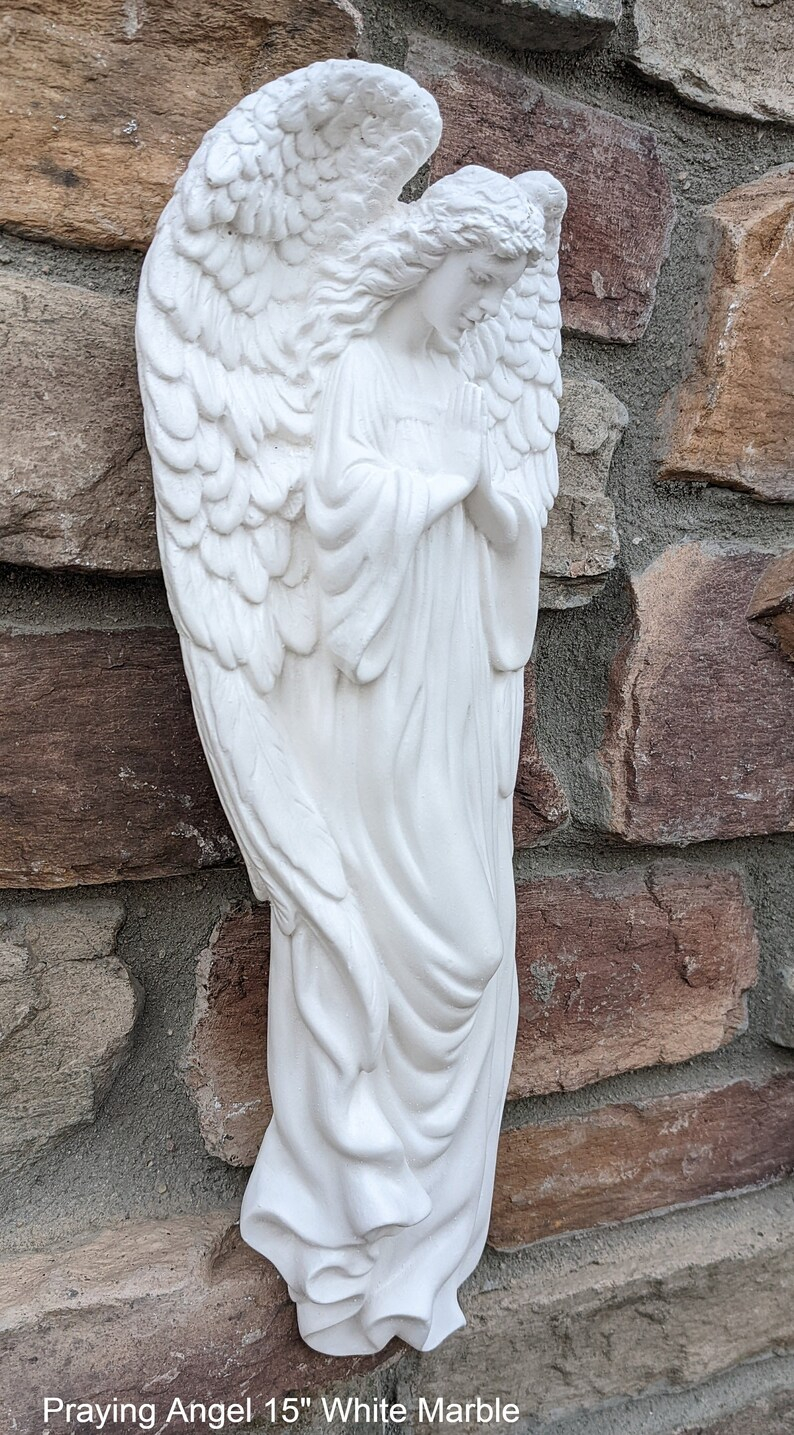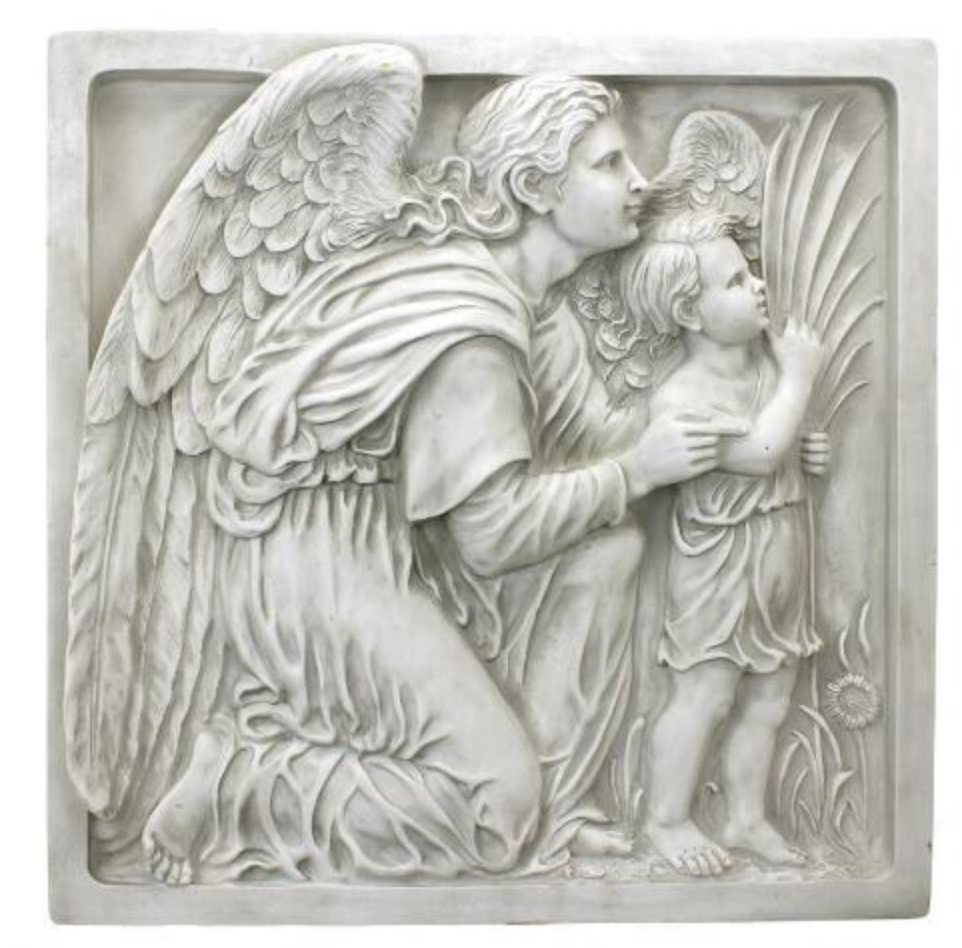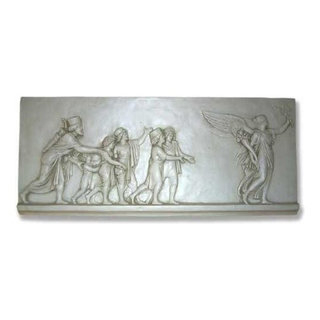
Angel of Peace friezes, those sweeping, often monumental wall sculptures, have a way of captivating the eye and stirring the soul. They’re more than just decorations; they’re stories told in stone, plaster, or other materials, representing narratives of hope, serenity, and remembrance. But have you ever paused to consider the intricate processes and carefully chosen resources that go into creating these impressive pieces? It’s a world of artistic vision, technical skill, and a deep understanding of materials. This article will take you on a journey, breaking down the essential parts of bringing an Angel of Peace frieze to life, from the initial concept to the final placement.
The creation of an Angel of Peace frieze is a complex undertaking. It’s not a quick process, but a collaboration of creative thinking, detailed planning, and skilled execution. The journey starts with an idea – a vision of the story the frieze will tell. This vision, often inspired by historical events, spiritual themes, or personal reflections, is then translated into preliminary sketches and models. These early drafts help the artist to visualize the composition, consider the flow of the narrative, and begin to think about the spatial relationship of the figures and the overall feeling of the artwork. All of this requires a lot of patience, and a deep love for the craft. It’s a labor of love, really.
Material Matters: The Foundation of the Frieze
The choice of materials is absolutely critical. It impacts everything – the durability of the piece, the level of detail achievable, the texture, and even the final weight. Common materials include:
- Stone: Marble, granite, and limestone are frequently used for their strength, beauty, and ability to withstand the elements. Marble, especially, offers a beautiful surface for carving and detailed work, but it can be a more expensive option.
- Plaster: Plaster, either applied directly to a wall or cast in molds, allows for a lot of flexibility and fine detail. It’s often used for interior friezes and is relatively lightweight and cost-effective.
- Bronze: Bronze, a metal alloy, is known for its durability and ability to capture intricate details. Bronze friezes are often created using the lost-wax casting method.
- Concrete: Modern friezes sometimes employ concrete, offering a robust and versatile material that can be molded into almost any shape. It can also be tinted, textured, and finished in a wide range of ways.
The selection process always needs to consider the location of the artwork. An outside frieze will need to withstand weather conditions, so strong resources like stone or bronze are often the preferred choice.
Sculpting and Molding: Bringing the Vision to Life
Once the material is selected, the real work begins. This phase involves the actual creation of the sculptural elements, and the techniques employed depend on the material and the desired effect.
- Direct Carving: With stone, the artist directly carves the design into the block, carefully removing material to reveal the final form. This requires a lot of skill and precision, as every cut is permanent.
- Modeling and Casting: For plaster and bronze, artists often create a model, usually from clay or another pliable material. This model serves as the basis for creating a mold. The mold is then used to cast the final piece in plaster or bronze. The casting process is very important and needs a lot of attention.
- Additive Techniques: In some cases, especially with concrete, the artist might build up the form by adding layers of material. This can involve applying concrete to a framework or mold, or using techniques like spray casting.
The techniques used are as diverse as the artists themselves, with a careful balance of tradition and innovation.
Surface Treatment and Detailing: Adding the Finishing Touches
The surface treatment is the next step, and it can dramatically alter the look and feel of the frieze. This is where the artist adds the final touches and brings the artwork to its full potential.
- Polishing and Finishing: Stone friezes often undergo polishing to bring out the natural beauty of the stone and create a smooth, reflective surface. Bronze pieces might be patinated to create a rich, aged appearance.
- Painting and Gilding: Plaster and sometimes stone friezes can be painted to add color and detail. Gilding – applying gold leaf – is a technique used to create a sense of luxury and highlight certain elements.
- Texturing: The artist might use tools to create texture on the surface, adding visual interest and depth. This can involve techniques like hammering, chiseling, or sandblasting.
This stage is all about refinement and adding those essential details that tell the story.
Installation: Placing the Angel of Peace
The installation process is a critical part of the process. It demands careful planning and execution, ensuring the frieze is securely and safely mounted. The method of installation varies greatly depending on the size and weight of the frieze, the material, and the surface to which it’s being attached.
- Direct Mounting: Smaller and lighter friezes may be fixed directly to the wall using adhesives or mechanical fasteners.
- Support Structures: Larger or heavier friezes often require the use of a support structure, such as a metal frame or a system of anchors, to distribute the weight and ensure stability.
- Site Considerations: The installer must take into account the condition of the wall, the environment, and any potential issues like moisture or structural movement.
The goal is always to ensure that the frieze is both aesthetically pleasing and structurally sound, able to withstand the test of time.
Examples in the Real World: Seeing the Techniques in Action
To truly appreciate the materials and techniques, let’s look at some examples:
- The Parthenon Frieze (Marble): A classic example of direct carving in marble, this frieze depicts the Panathenaic Procession. The skill and detail are stunning, showcasing the power of stone carving.
- The Gates of Paradise (Bronze): Lorenzo Ghiberti’s bronze doors for the Baptistery in Florence are a masterpiece of lost-wax casting. The intricate reliefs and figures are a testament to the artist’s skill.
- Contemporary Concrete Friezes: Modern architects and artists are exploring the possibilities of concrete, creating large-scale friezes with complex forms and textures. These pieces often emphasize the interplay of light and shadow.
By studying these examples, we can see how various materials and techniques are used to create different effects and tell different stories.
Tips for Appreciating Angel of Peace Friezes
Here are a few things to keep in mind when admiring these artworks:
- Look Closely: Examine the details – the expressions on the faces, the folds of the garments, the textures of the surfaces. These details often reveal the artist’s skill and the story being told.
- Consider the Material: Think about the material and how it affects the appearance of the piece. Stone will have a different feel than plaster, and bronze will be different again.
- Observe the Light: Pay attention to how light interacts with the frieze. The way the light falls on the surface can create shadows and highlight certain elements, adding depth and drama.
- Read the Narrative: Try to understand the story being told. What message is the artist trying to convey? What emotions are evoked?
By taking the time to observe and think, you can deepen your appreciation for these amazing works of art.
Angel of Peace friezes are more than just beautiful decorations; they are powerful statements of artistry, skill, and storytelling. They are a testament to the human spirit’s desire to create, to remember, and to hope. From the selection of materials to the final installation, every step involves careful planning, technical skill, and a deep respect for the craft. By understanding the materials and techniques used in their creation, we can gain a new level of appreciation for these inspiring and moving works of art. So, the next time you encounter an Angel of Peace frieze, take a moment to look closely, consider the materials, and appreciate the story it tells – and the hands that brought it to life. It’s a legacy that will last for generations to come, a reminder of our shared humanity, and our endless quest for peace and beauty.
[sps_html tag=”img” src=”https://cdn.theartssection.com/wp-content/uploads/2025/05/praying-angel-wall-art-sculpture-frieze-plaque-home-decor-etsy-throughout-exploring-materials-and-techniques-in-angel-of-peace-frieze-large-wall-sculptures.jpg” alt=”Praying Angel Wall Art Sculpture Frieze Plaque Home Decor - Etsy throughout Exploring Materials and Techniques in Angel of Peace Frieze Large Wall Sculptures” style=”width: 100%; height: auto;”]
[sps_html tag=”img” src=”https://cdn.theartssection.com/wp-content/uploads/2025/05/3d-wall-sculptures-regarding-exploring-materials-and-techniques-in-angel-of-peace-frieze-large-wall-sculptures.jpg” alt=”3D Wall Sculptures regarding Exploring Materials and Techniques in Angel of Peace Frieze Large Wall Sculptures” style=”width: 100%; height: auto;”]
[sps_html tag=”img” src=”https://cdn.theartssection.com/wp-content/uploads/2025/05/guiding-angel-sculptural-wall-frieze-extra-large-size-plaque-with-angel-of-peace-frieze-large-wall-dcca9cor.png” alt=”Guiding Angel Sculptural Wall Frieze Extra Large Size Plaque with Angel Of Peace Frieze Large Wall D̩cor” style=”width: 100%; height: auto;”]
[sps_html tag=”img” src=”https://cdn.theartssection.com/wp-content/uploads/2025/05/praying-angel-wall-art-sculpture-frieze-plaque-home-decor-etsy-with-angel-of-peace-frieze-large-wall-dcca9cor.jpg” alt=”Praying Angel Wall Art Sculpture Frieze Plaque Home Decor - Etsy with Angel Of Peace Frieze Large Wall D̩cor” style=”width: 100%; height: auto;”]
[sps_html tag=”img” src=”https://cdn.theartssection.com/wp-content/uploads/2025/05/praying-angel-wall-art-sculpture-frieze-plaque-home-decor-etsy-within-exploring-materials-and-techniques-in-angel-of-peace-frieze-large-wall-sculptures.jpg” alt=”Praying Angel Wall Art Sculpture Frieze Plaque Home Decor - Etsy within Exploring Materials and Techniques in Angel of Peace Frieze Large Wall Sculptures” style=”width: 100%; height: auto;”]