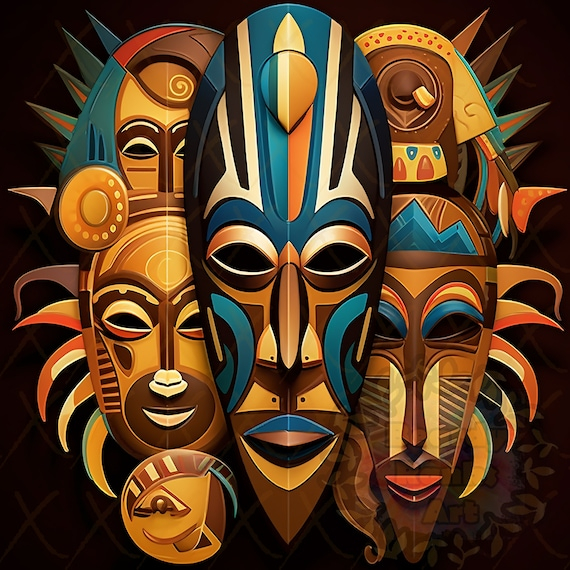
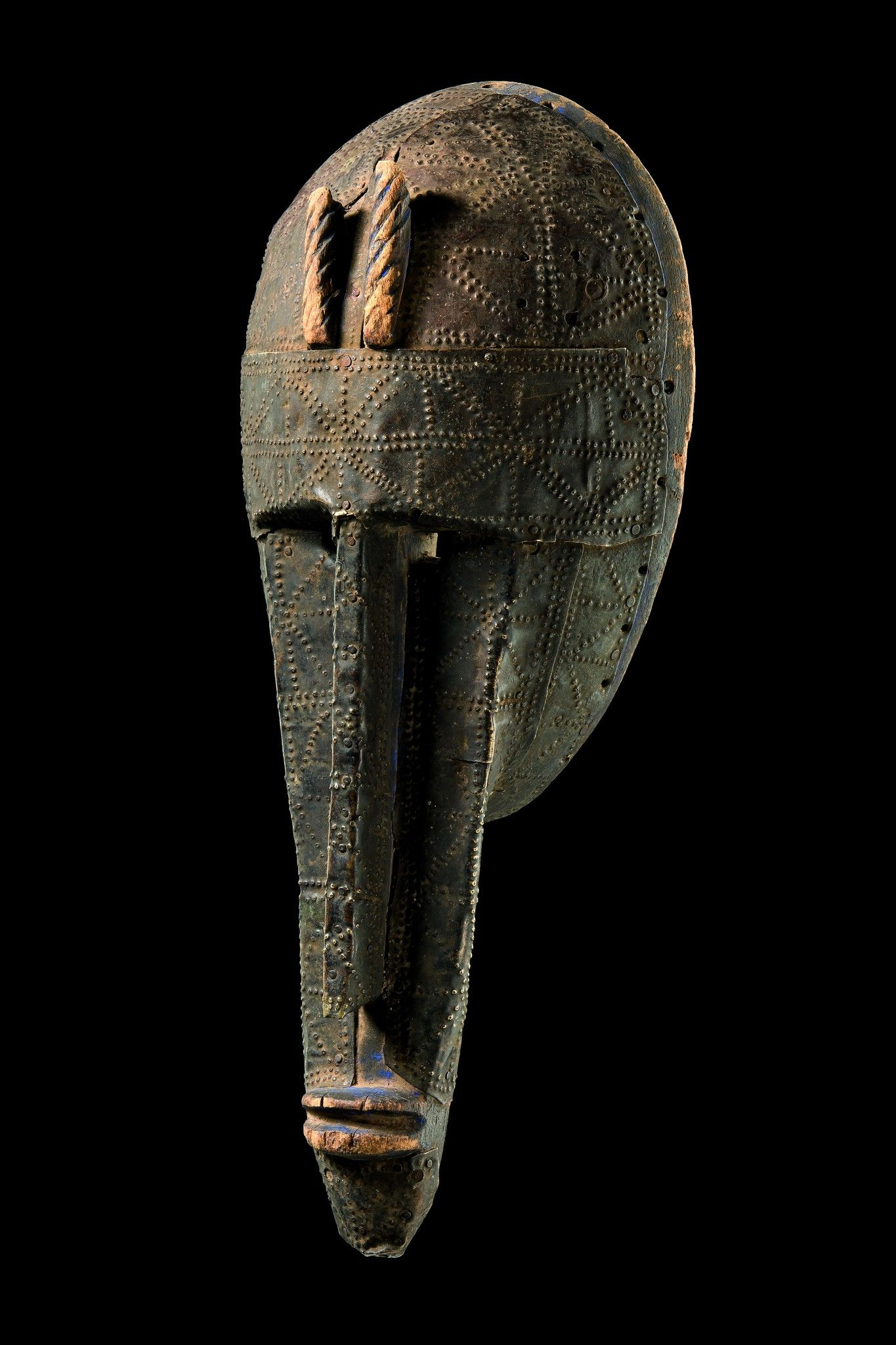
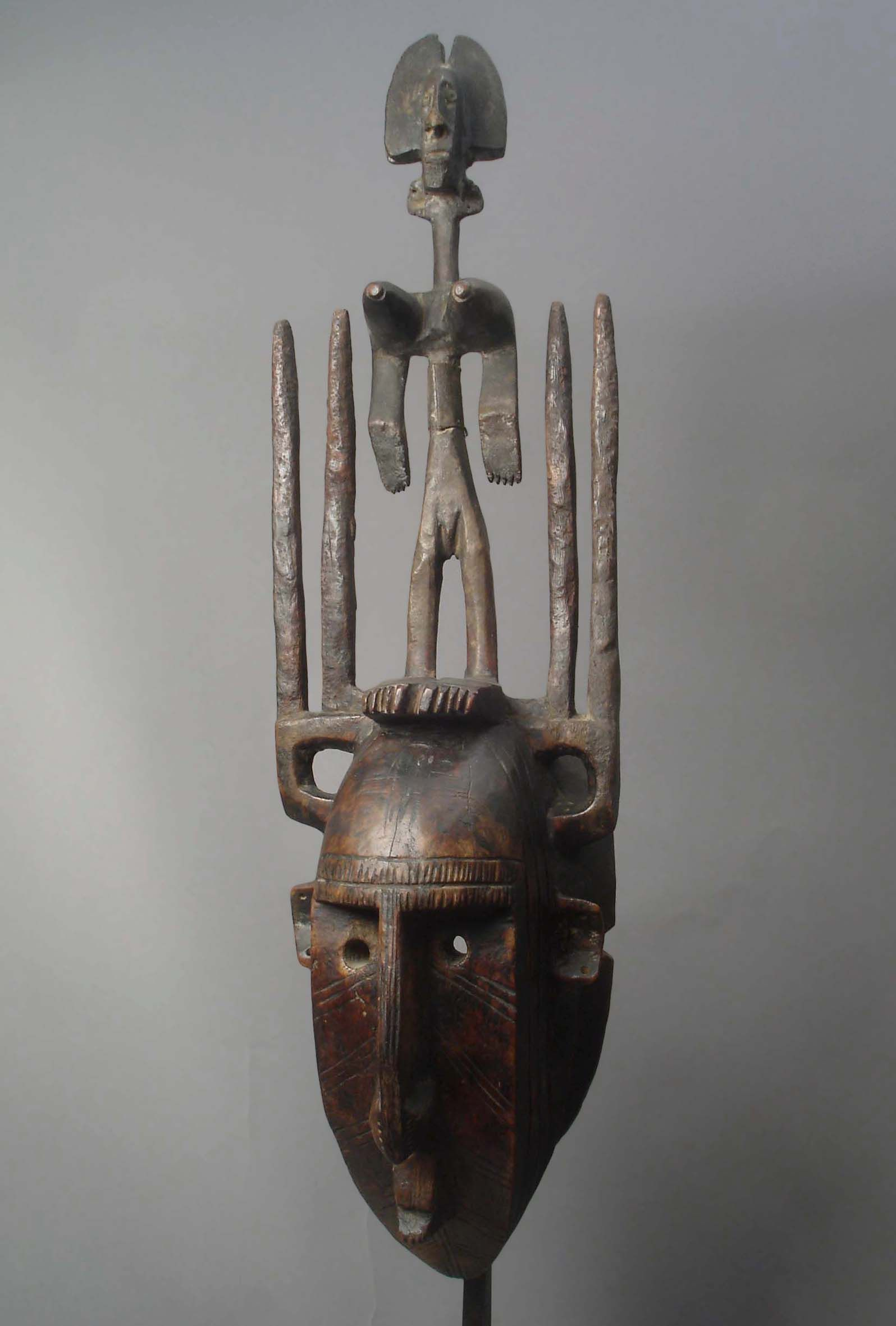
If you ever stand in front of a centuries-old island face carving, you might feel a strange sensation, like someone is watching you. It isn’t just your mind playing tricks on you. These wooden and stone faces were crafted to look back. They act as bridges between the past and the present, holding onto stories that have survived across generations.
For many indigenous island communities, a carving isn’t just a piece of art to hang on a wall. It is a living record. But how do you read a face made of stone or timber? What are these silent figures trying to tell us. By looking closely at the lines, shapes, and materials, we can begin to unlock some of ancient history’s best-kept secrets.
The Ancestors Who Never Left
To truly grasp these carvings, you have to understand how islanders view their ancestors. In many Pacific and Caribbean traditions, when a respected elder passes away, their spirit doesn’t just vanish into thin air. Instead, they are invited to rest within a specially carved figure.
These face carvings serve as physical anchors for the spirit world. A carver doesn’t just decide to make a face look pretty; they follow strict spiritual rules to invite the specific ancestor’s energy into the wood or stone. This means the carving becomes a respected member of the family, present at meetings and offering protection to the household.
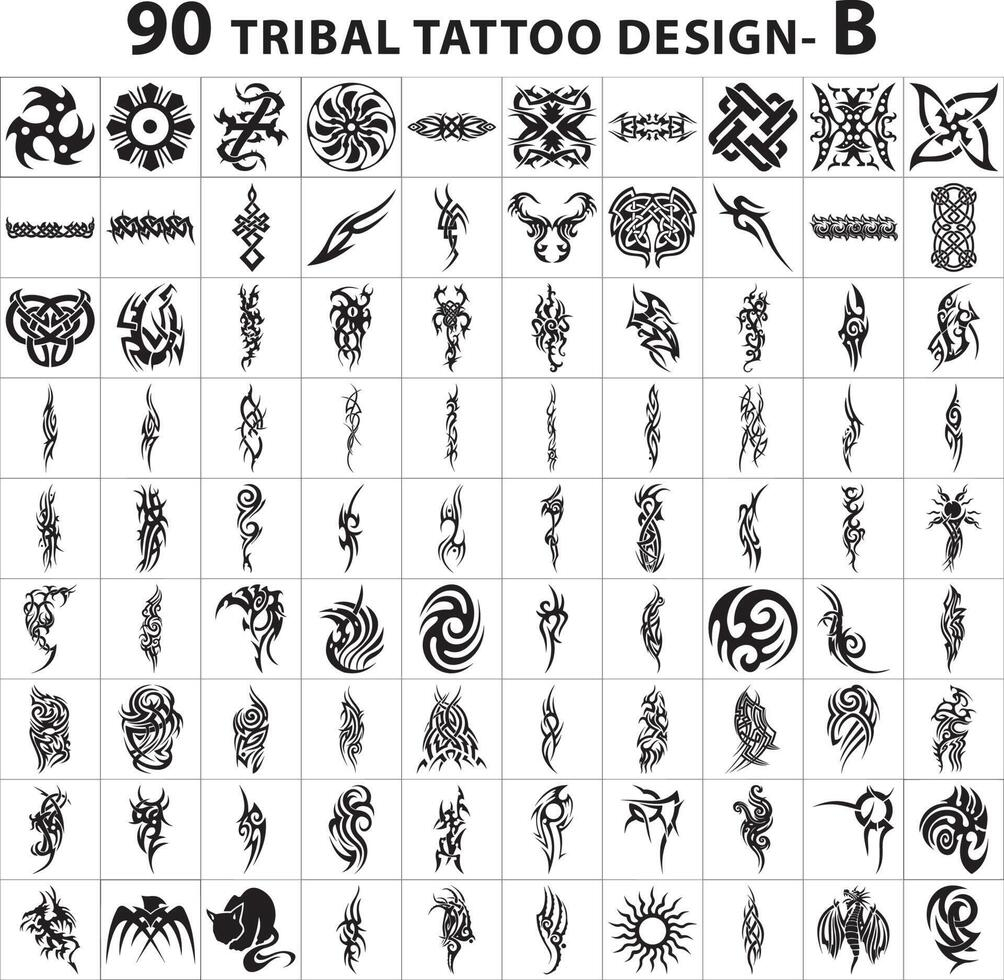
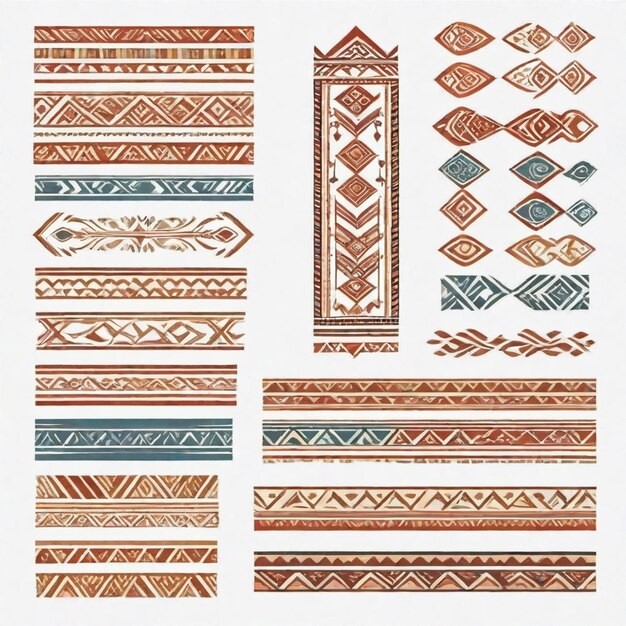
Every single line carved into a face has a specific meaning. Take the Māori tekoteko figures or the intricate tā moko (tattoo) designs found on carvings in New Zealand. These aren’t just decorative patterns; they are highly detailed CVs.
A spiral on a cheek might represent a person’s achievements, while specific lines around the nose tell you about their mother’s or father’